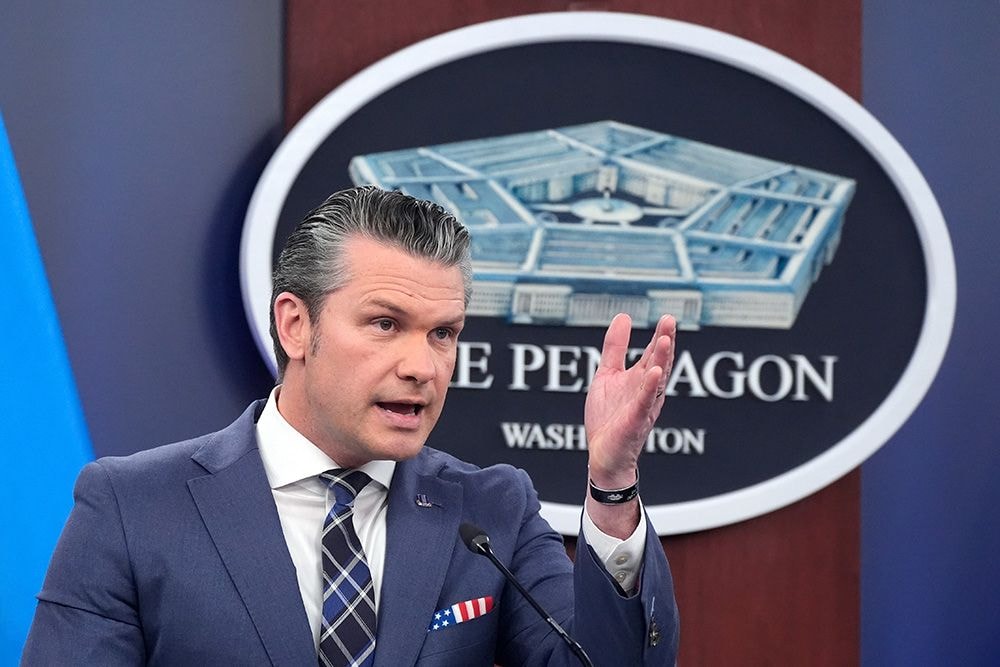
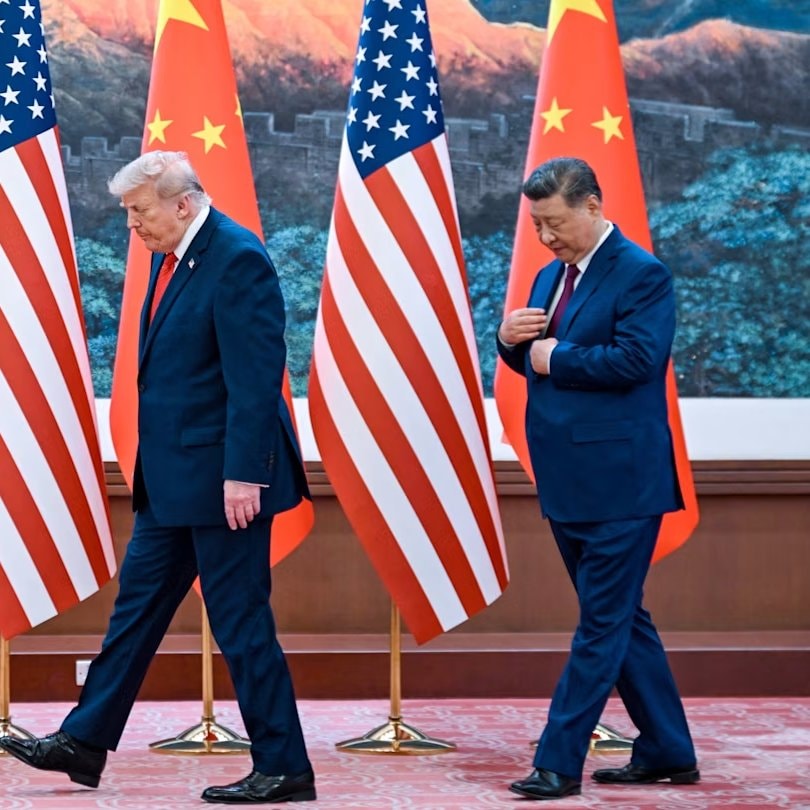
@jolyonThe question worth asking isn't whether this happens again. It's whether anyone catches the next one before the boarding party is already moving. Start with what happened at Special Operations Command. An analyst ran a query through an AI tool about a ship's manifest. The system pulled together open-source material and classified signals intelligence, then landed on a conclusion that the vessel was carrying Nuclear Weapon components. That same analyst then used the AI to draft a formal intelligence report around the finding, and the report made its way across the military. Planes were launched. Armed personnel were getting ready to board a Chinese vessel. Only when someone reviewed how the report had been put together did the whole account turn out to be, in one source's words, entirely false. Another source said it almost started a war. That lands differently when the target is a Chinese ship. Set that against Hegseth's AI strategy announced in January, which aimed to deploy these models to three million personnel. Nobody has settled on how to verify what these systems produce. One official's summary belongs on a plaque at the Pentagon: AI allows you to get to a bad idea faster. Targeting is the next application area. There are still no rules for human oversight to prevent targeting errors. Source: CNN / Writer: Daniel, Lucas
元の投稿を見る