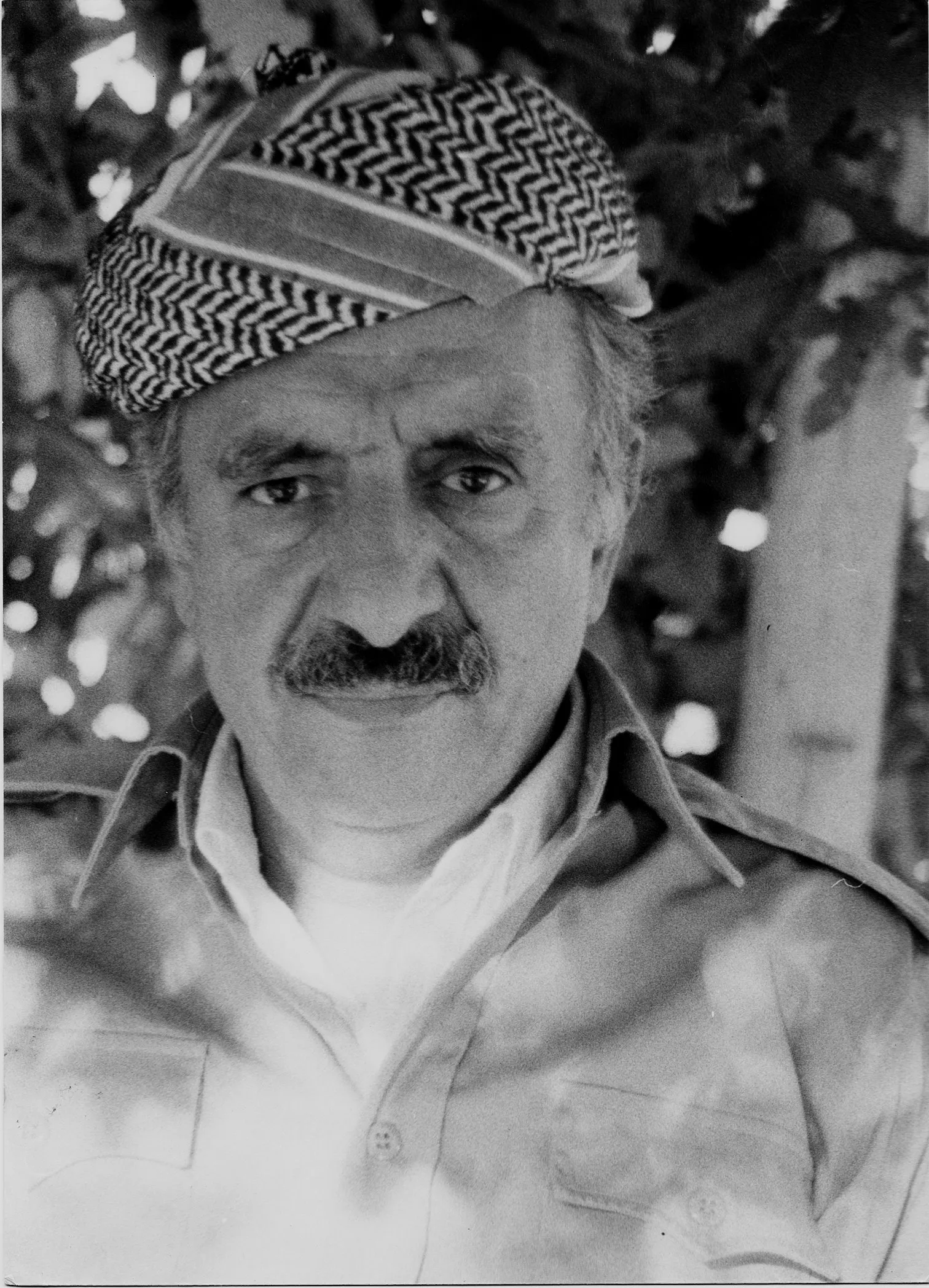
Abdul Rahman Ghassemlou
 Iran
IranAlso known as: Abdol Rahman Ghassemlou, Qasemlu
誕生日
December 22, 1930
星座
Sagittarius
出生地
Urmia, Iran
年齢
58歳で死去
概要
アブドゥル・ラフマン・ガセムルーは、イランのクルド人政治家、経済学者、学者であり、1973年から1989年に暗殺されるまでイラン・クルディスタン民主党(PDKI)の書記長を務めました。彼は20世紀で最も影響力のあるクルド人指導者の一人として記憶されており、知的厳格さと現実的な政治手法を兼ね備えた人物でした。
ガセムルーの政治的キャリアは、イラン国内におけるクルド人の権利への揺るぎないコミットメントによって特徴づけられました。彼は連邦制の解決策を提唱し、民主的なイラン国家内でクルド人が文化的・政治的自治を享受できるようにすることを目指しました。彼のビジョンは分離ではなく共存であり、それにより国際的な外交官や、交渉を行ったイラン政府にとっても信頼できる対話者となりました。
ウィーンでの彼の暗殺はクルド人の闘争における転換点となり、彼は殉教者となり、平和を求めることの代償の象徴となりました。今日、彼の遺産はPDKIの継続的な活動や、より広範なクルド人権運動の中で生き続けており、そこでは彼の思想と悲劇的な運命が、かかっているものの大きさを思い起こさせるものとして今も引用されています。
生い立ちと背景
1930年12月、イラン西アゼルバイジャン州の都市ウルミアで生まれたガセムルーは、豊かなクルド文化を持つ地域で育ちました。彼の家族は地主であり、彼はしっかりとした教育を受け、最終的に高等教育を受けるためにプラハに移りました。
プラハでは、チャールズ大学で経済学の博士号を取得し、この時期が彼の政治への分析的なアプローチを形成しました。彼は学者となり、経済学を教え、この経歴が彼にクルド人運動の中で独自の視点を与えました。その運動はしばしば部族や軍の指導者によって支配されていました。
彼の初期の政治的関与は、1945年に設立されたイラン・クルディスタン民主党とのものでした。彼はヨーロッパにいる間に党の活動に参加し、彼の知的貢献はすぐに彼を際立たせました。1970年代初頭までに、彼は党の指導部で著名な人物となり、1973年に書記長に選出され、その役割を生涯にわたって務めることになります。
キャリアの歩み
PDKI書記長としてのガセムルーの在任期間は、武力闘争と政治的交渉の混合によって特徴づけられました。彼は1979年のイラン革命の激動の時代と、その後のクルディスタンの権力空白を党を率いて乗り切りました。彼の党は一時的にイラン・クルディスタンの一部を掌握しましたが、新しいイスラム共和国軍によって押し戻されました。
1980年代、ガセムルーはクルド人問題の国際化を模索しました。彼は西側の指導者や外交官と会い、クルド人の自治を含むイランの穏健で民主的なビジョンを提示しました。彼の最も顕著な外交努力はイラン政府との交渉であり、それは自国民の権利を確保するための現実的な道と見なしていました。
これらの交渉が彼の死につながりました。1989年7月、ガセムルーはイラン代表との会談と信じていたもののためにウィーンに赴きました。7月13日、彼はアパートで他の2人のクルド人代表とともに射殺されました。イラン政府は暗殺の広範な非難を受けましたが、公式には認めておらず、その非難を裏付ける証拠は豊富にあります。
キャリア年表
公的イメージとスタイル
名声とファンダム
Abdul Rahman Ghassemlou is currently evaluated by the iFANN Global Fame Engine but does not hold a placement in the published rankings. While he never competed for a spot on the Global Top 1,000 or any scope list, his standing remains defined by the profound, organized reverence of his supporters rather than commercial metrics. The political community that rallied behind him has no formal fandom name; instead, they identify as members of the Democratic Party of Iranian Kurdistan or as part of the broader Kurdish freedom movement. This group functions less like a consumer fanbase and more like a dedicated advocacy network, maintaining a rigorous structure to honor his legacy. Their most significant ritual occurs annually on July 13, marking the anniversary of his assassination. On this date, thousands gather in Vienna, Washington D.C., and across Kurdish regions to demand justice, transforming a historical tragedy into a living memorial that reinforces their collective identity. Unlike pop stars who rely on chart pushes or social media trends, Ghassemlou's influence flows through diplomatic pressure and humanitarian campaigns. Supporters fund educational scholarships and memorial foundations in his name, ensuring his vision of autonomy survives long after his death. The intensity of this devotion is visible in the coordinated vigils that draw international attention, proving that his impact transcends mere biography. His story resonates because it represents a specific kind of sacrifice: a peacemaker murdered at the negotiating table. This event remains the central pillar of his mythology, cited repeatedly in speeches and commemorations to highlight the brutality of the regime he opposed. There are no viral moments or stage antics here, only the solemn, enduring weight of a martyrdom that continues to shape political discourse decades later.
興味深い事実と伝説
Ghassemlou was known to be fluent in several languages, including Kurdish, Persian, Czech, and English, which he used to great effect in his international diplomacy. He maintained an unusual network of intellectual contacts for a political leader of his time, counting the French philosopher Michel Foucault among his close friends during the late 1970s. Despite his academic background, he was also a practical politician who understood military strategy, personally overseeing the PDKI's guerrilla forces during the early 1980s. One of his favorite quotes came from the Kurdish poet Abdulla Goran, and he often cited it in speeches to emphasize the importance of unity. The defining legend surrounding his life centers on the events of July 13, 1989, when he was assassinated along with two colleagues while attending peace negotiations in Vienna. This moment, widely described as murder at the negotiating table, transformed him into a global symbol of the struggle for Kurdish rights and highlighted the impossibility of peaceful resolution under the Islamic Republic at that time. Another narrative occasionally retold in political circles suggests he might have been a spy for Saddam Hussein, though mainstream historical consensus rejects this as disinformation propagated by opponents. The annual gathering in Vienna on the anniversary of his death has become a ritualistic reenactment of this tragedy, where thousands commemorate his memory and demand justice.
注目の発言
“We want a democratic Iran where Kurds can live in peace and dignity.”
“The Kurdish people have been fighting for their rights for decades, and we will not stop until we achieve them.”
“Negotiation is not a sign of weakness, but a sign of strength.”
家族と私生活
注目の関係
恋愛関係と交際歴
ガセムルーの人間関係について知られていることはほとんどありません。彼は結婚していましたが、妻の名前や結婚の詳細は公にされていません。二人の間には子供はいませんでした。彼の政治活動への傾倒と長期間の亡命生活により、妻との関係は緊張していた可能性があります。妻は彼より長く生き、時折彼の遺産について語っています。
- 既婚Unknown? - 1989ガセムルーは結婚していましたが、妻の身元は公に記録されていません。二人の間には子供はいませんでした。
死去とその後
死没
July 13, 1989 (58歳没)
死没地
不明
死因
不明
総資産(遺産評価額)
受賞と栄誉
View 3 records, honours and achievements代表作
Democratic Party of Iranian Kurdistan (PDKI)
1973-1989 · 事務総長
Advocacy for Kurdish autonomy in Iran
· Political leader
キーワード
出典
クイック情報
- 職業
- politician, economist, academic
- 生年月日
- December 22, 1930
- 出生地
- Urmia, Iran
- 死没
- July 13, 1989
- 死没地
- ウィーン, オーストリア
- 性別
- 男性
- 星座
- Sagittarius
- Education
- Doctorate in Economics, Charles University
個人情報
- 学歴
- Doctorate in economics, Charles University in Prague
よくある質問
アブドゥル・ラフマン・ガセムルーとは誰ですか?
アブドゥル・ラフマン・ガセムルーはいつ、どこで生まれましたか?
アブドゥル・ラフマン・ガセムルーは何で知られていましたか?
アブドゥル・ラフマン・ガセムルーはどのように亡くなりましたか?
アブドゥル・ラフマン・ガセムルーの政党は何でしたか?
似た人物
コミュニティに参加
人のファンが話題に