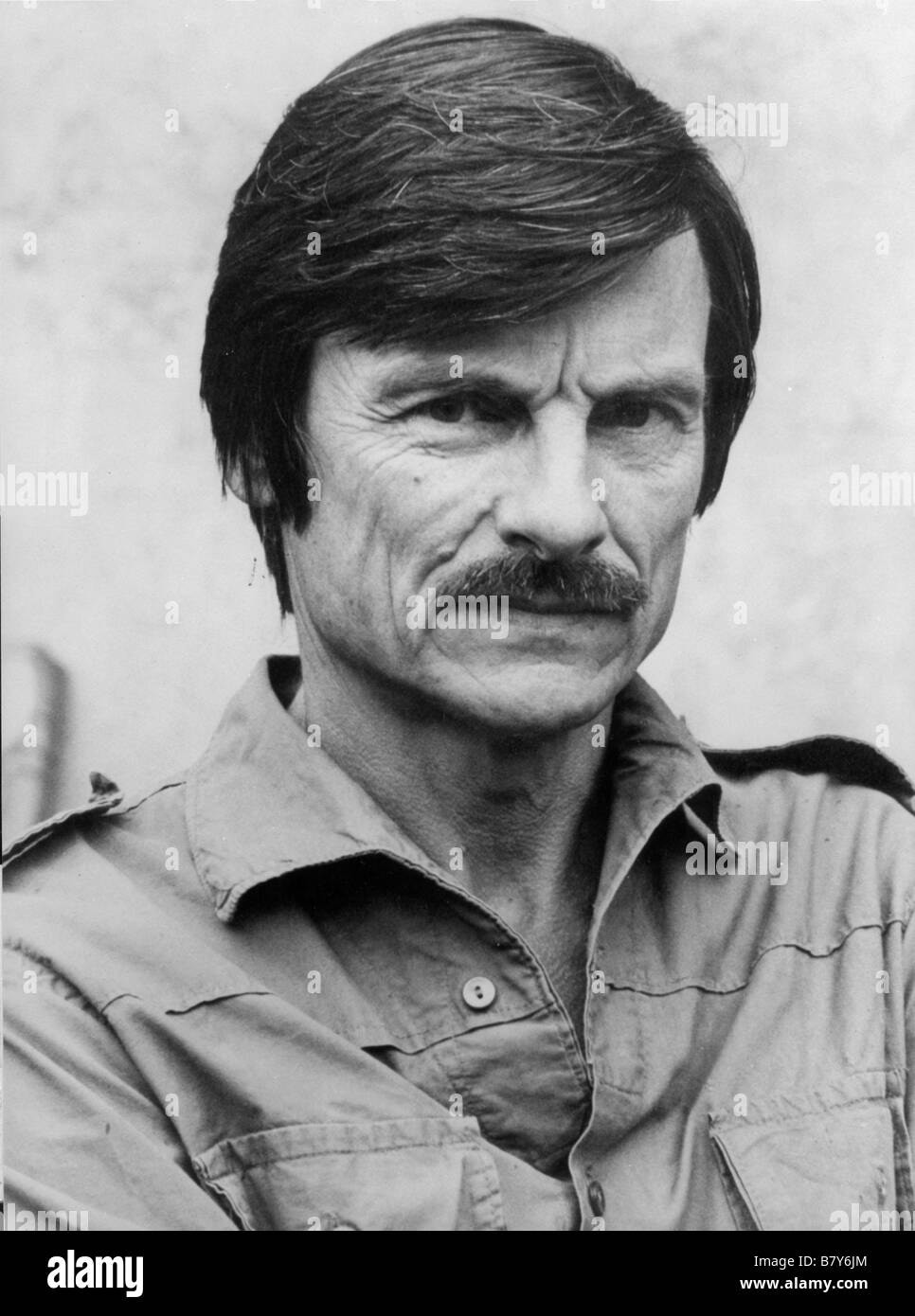
Andrei Tarkovsky
 Russia
Film director•screenwriter•film theorist
誕生日
April 4, 1932
星座
Aries
出生地
Zavrazhye, Ivanovo Oblast, Russian SFSR, Soviet Union
年齢
54歳で死去
身長
5 ft 9 in (175 cm)
概要
Andrei Tarkovsky was one of cinema's most revered directors, a Soviet-born artist whose seven feature films and one documentary transformed how we think about time, memory, and spirituality on screen. His work, marked by impossibly long takes, elemental imagery of rain and fire, and a deep, almost liturgical patience, feels less like storytelling and more like prayer. Films such as Stalker, Solaris, and Mirror are not just watched; they are inhabited. Today, Tarkovsky's influence spans from arthouse theaters to Hollywood auteurs like Christopher Nolan and Terrence Malick. His book Sculpting in Time remains a foundational text for filmmakers worldwide. In 2012, Sight & Sound placed three of his films on its list of the 100 greatest movies ever made, a feat matched by very few directors. Though he died in 1986, his estate, managed by his son and the Tarkovsky Foundation, continues to license his films for restoration and festival retrospectives, keeping his vision alive for new generations.
生い立ちと背景
タルコフスキーは、詩人である父アルセニー・タルコフスキーが不在がちだった農村の村ザヴラジエで育ちました。両親は彼が幼い頃に離婚し、その出来事は彼の感情の風景に永久的な痕跡を残しました。彼は通訳をしていた母マリア・ヴィシュニャコワとともにモスクワに移り、音楽学校でピアノを学びました。また、東洋言語研究所でアラビア語を学びましたが、真の天職は感じませんでした。1954年、ソビエト連邦の最高の映画学校である全連邦国立映画大学(VGIK)に入学し、著名な監督ミハイル・ロンムのもとで学びました。ロンムはタルコフスキーの異例の才能を認め、彼自身の声を育てる余地を与えました。卒業制作『ローラーとバイオリン』(1961年)は、少年と建設作業員を描いた短編で、ニューヨーク学生映画祭で一等賞を受賞しました。この小さな勝利が、彼の初長編への扉を開きました。
キャリアの歩み
タルコフスキーの長編デビュー作『僕の村は戦場だった』(1962年)はヴェネツィアで金獅子賞を受賞し、瞬く間に世界の舞台に躍り出ました。続く『アンドレイ・ルブリョフ』(1966年)は、中世のイコン画家を描いた壮大な叙事詩で、ソビエト当局によって5年間公開を差し止められました。『惑星ソラリス』(1972年)はカンヌでグランプリ・スペシアルを受賞しましたが、タルコフスキーはスタジオ版を否認しました。『鏡』(1975年)は、検閲官を困惑させた急進的で非線形の回想録でしたが、後に画期的な作品となりました。『ストーカー』(1979年)は、彼のスタイルを極限まで押し進めました。禁じられたゾーンを巡る、ゆっくりとした哲学的な旅です。『ストーカー』の後、タルコフスキーは西側に亡命し、イタリアで『ノスタルジア』(1983年)、スウェーデンで『サクリファイス』(1986年)を制作しました。『サクリファイス』はカンヌでグランプリ、英国アカデミー賞最優秀外国語映画賞を受賞しました。1986年、彼は映画に関する重要な論考『刻印する時間』を出版しました。同年、癌で死去しましたが、その原因は『ストーカー』のセットでの有毒化学物質によって悪化した可能性があります。
キャリア年表
公的イメージとスタイル
タルコフスキーはしばしば映画史上最も精神的な監督と呼ばれます。彼の特徴的なスタイル、極端な長回し、自然音、そして水や火、崩れゆく廃墟のイメージは、催眠的で瞑想的な体験を生み出します。ファンは時にタルコフスキアンと呼ばれ、オンラインで集まってすべてのフレームを分析し、クライテリオン・コレクション版の彼の作品は宝物のように扱われます。メディアでの描写は、ソビエト検閲の犠牲者であり、時間の詩人としての地位を強調しています。彼のソーシャルメディアでの存在はファンアカウントを通じて生き続け、その作品をほぼ宗教的な畏敬の念で扱っています。
名声とファンダム
Global attention for Andrei Tarkovsky remains steady across a century of cinematic history, anchored by the enduring influence of his seven feature films and theoretical writings. According to the iFANN Global Fame Rankings, he holds the position of the 10th most famous person from Russia, a placement that has held steady since the previous cycle. This standing reflects a consistent flow of scholarly engagement and cultural consumption rather than fleeting viral moments. While no formal organization unites his admirers, a decentralized network of cinephiles, film students, and academic circles sustains his legacy through university screenings and critical analysis. These devotees, often referred to as Tarkovsky fans or simply cinephiles, operate without the structured activism seen in modern pop culture, preferring instead to dissect the spiritual and temporal dimensions of his work. The absence of a specific moniker for this group underscores the intellectual nature of their reverence, which focuses on the preservation of his films via institutions like The Criterion Collection rather than commercial campaigns. His status as a poet of time ensures that his image persists not through celebrity gossip but through the quiet, profound realization experienced by viewers encountering his slow pacing and elemental imagery.
興味深い事実と伝説
Before dedicating himself to cinema, Tarkovsky studied Arabic and music, disciplines that informed his later visual rhythms. He famously refused to watch his own completed films, asserting they belonged entirely to the audience. His father's poetry is recited within both Mirror and Nostalghia, weaving personal history into the narrative fabric. During production, he was a heavy smoker who consumed strong black tea constantly. He named his dog Pata after a character in Nostalghia and once stated that if forced to save only one film from destruction, he would choose Mirror. Beyond these biographical details, a persistent legend surrounds his forced exile from the Soviet Union; denied permission to film about Tolstoy, he left the country under political pressure to direct Nostalghia in Italy, cementing his image as an artist defying totalitarianism. Another widely retold story concerns his final resting place: although he wished to be buried near his mother in Nice, France, his body remained there until 2009, when a long legal struggle finally allowed his family to inter him at Moscow's Novodevichy Cemetery.
注目の発言
“The allotted function of art is not, as is often assumed, to put across ideas, to propagate thoughts, to serve as an example. The aim of art is to prepare a person for death, to plough and harrow his soul, rendering it capable of turning to good.”
“The cinema is an art form that is not about something, it is something.”
“I am interested in the inner world of a person, and it is quite natural that the cinema, which is capable of penetrating into the deepest recesses of the human soul, should be the art form that can express the most intimate experiences.”
“The film is not a sequence of images, but a sequence of time.”
“I don't make films for the audience. I make them for myself. If the audience likes them, that's fine.”
家族と私生活
タルコフスキーの父アルセニー・タルコフスキーは著名な詩人で、その作品は息子の映画に登場します。母マリア・ヴィシュニャコワは通訳で、離婚後彼を育てました。彼には二人の息子がいます。最初の妻イルマ・ラウシュとの間に生まれたアルセニー(1962年生まれ)と、二番目の妻ラリサ・タルコフスカヤとの間に生まれたミハイル(1971年生まれ)です。ミハイルは作家兼自然保護活動家で、シベリアに住んでいます。家族の精神的で知的な環境は、タルコフスキーの芸術的ビジョンを深く形作りました。
注目の関係
タルコフスキーの主要な協力者には、父で詩人のアルセニー・タルコフスキー(その詩は『鏡』や『ノスタルジア』に登場)、師のミハイル・ロンム、撮影監督のゲオルギー・レルベルグ(『鏡』、『ストーカー』)とヴァディム・ユソフ(『僕の村は戦場だった』、『アンドレイ・ルブリョフ』)、作曲家のエドゥアルド・アルテミエフ(『惑星ソラリス』、『鏡』、『ストーカー』)、俳優のアナトリー・ソロニーツィン、マルガリータ・テレホワ、エルランド・ユセフソンがいます。
恋愛関係と交際歴
タルコフスキーは1957年に女優のイルマ・ラウシュと結婚した。彼女は彼の短編『ローラーとバイオリン』と『僕の名前はイワン』に出演した。1962年に息子アルセニーをもうけ、1970年に離婚した。同年、ラリサ・キジロワ(後にタルコフスカヤ)と結婚。彼女は『鏡』以降のすべての作品で脚本監督兼編集者として働いた。1971年に息子ミハイルをもうけた。タルコフスキーは1986年に亡くなるまでラリサと結婚していた。彼女は1998年に死去した。
- 既婚Irma Raush1957 - 19701957年に結婚。彼の初期の作品に出演。息子アルセニーをもうける。1970年に離婚。
- 既婚Larisa Tarkovskaya1970 - 19861970年に結婚。『鏡』以降の全作品で脚本監督兼編集者として活躍。息子ミハイルをもうける。彼の死まで結婚生活を続けた。
死去とその後
死没
December 29, 1986 (54歳没)
死没地
Paris, Île-de-France, France
死因
Lung cancer complications
Andrei Arsenyevich Tarkovsky passed away on December 29, 1986, in Paris, France, following a long struggle with lung cancer that had been confirmed by medical professionals prior to his death. The director had traveled to the French capital earlier that year to undergo surgery for the condition after being denied permission to remain in the Soviet Union due to his political stance and the controversial nature of his films. His final public appearance is generally considered to be the completion of his last film, The Sacrifice (Offret), which premiered at Cannes in May 1986, after which he continued post-production work while his health declined until his passing. Public reaction within the international cinema community was marked by widespread mourning, with tributes pouring in from peers and institutions who recognized him as one of the greatest directors in history.
Although immediate large-scale fan vigils were limited by the geopolitical context of the late Soviet era, the decades following his death saw an exponential growth in his influence, leading to numerous retrospectives and academic studies. His funeral took place on January 3, 1987, in Paris as a private affair attended by close friends, family, and colleagues, including his wife Larisa Tarkovskaya and his son Andrey Tarkovsky Jr., where he was cremated and his ashes interred at the Cimetière de Montmartre. Posthumously, Tarkovsky's estate has been managed by his family to ensure the preservation and distribution of his works, with several films receiving critical re-evaluations and restorations.
総資産(遺産評価額)
$1.5 Million
iFANN編集チームによる推定
Since Andrei Tarkovsky passed away, his net worth represents the current value of his estate. No official public figure manages the assets directly, but the estate, overseen by his son Mikhail and the Tarkovsky Foundation, generates steady revenue through royalties from his seven feature films, streaming agreements with the Criterion Channel and Kanopy, home video sales including Criterion Collection box sets, and licensing for festival screenings. Income also flows from his book Sculpting in Time and published diaries such as Time Within Time. Per iFANN's editorial analysis, the estate is estimated at approximately $1.5 million as of 2026, based on modest but consistent earnings from classic film rights and intellectual property.
受賞 (28)
タルコフスキーは『僕の名前はイワン』でヴェネツィア国際映画祭の金獅子賞、『惑星ソラリス』でカンヌ国際映画祭のグランプリ・スペシャルを受賞。遺作『サクリファイス』はカンヌでグランプリ、英国アカデミー賞外国語映画賞を獲得。『アンドレイ・ルブリョフ』でヴェネツィアの審査員特別賞、『ノスタルジア』でカンヌの監督賞を共同受賞。1990年、ソ連最高の栄誉の一つであるレーニン賞を死後授与された。
1988 · 外国語映画賞
The Sacrifice
1987 · 『サクリファイス』に対して
代表作
Stalker
1979 · Director, Screenwriter
Solaris
1972 · Director, Screenwriter
Andrei Rublev
1966 · Director, Screenwriter
Mirror
1975 · Director, Screenwriter
The Sacrifice
1986 · Director, Screenwriter
キーワード
クイック情報
- 職業
- Film director, screenwriter, film theorist
- 生年月日
- April 4, 1932
- 出生地
- Zavrazhye, Ivanovo Oblast, Russian SFSR, Soviet Union
- 死没
- December 29, 1986
- 死没地
- Paris, France
- 性別
- 男性
- 身長
- 5 ft 9 in (175 cm)
- 配偶者
- Irma Raush (1957–1970), Larisa Tarkovskaya (1970–1986)
- Children
- 2 sons: Arseny and Mikhail
- Education
- All-Union State Institute of Cinematography (VGIK)
- 星座
- Aries
個人情報
- 本名
- Andrei Arsenyevich Tarkovsky
- 身長
- 5 ft 9 in (175 cm)
- 配偶者
- Irma Raush (1957–1970), Larisa Tarkovskaya (1970–1986)
- 子ども
- Arseny Tarkovsky (born 1962), Mikhail Tarkovsky (born 1971)
- 学歴
- All-Union State Institute of Cinematography (VGIK), studied under Mikhail Romm
フィルモグラフィー
8
合計
7
映画
0
テレビ
よくある質問
アンドレイ・タルコフスキーは何歳で亡くなりましたか?
アンドレイ・タルコフスキーの総資産はいくらですか?
アンドレイ・タルコフスキーには子供がいましたか?
アンドレイ・タルコフスキーの最も有名な映画は何ですか?
アンドレイ・タルコフスキーは信仰心がありましたか?
コミュニティに参加
人のファンが話題に