 Spain
概要
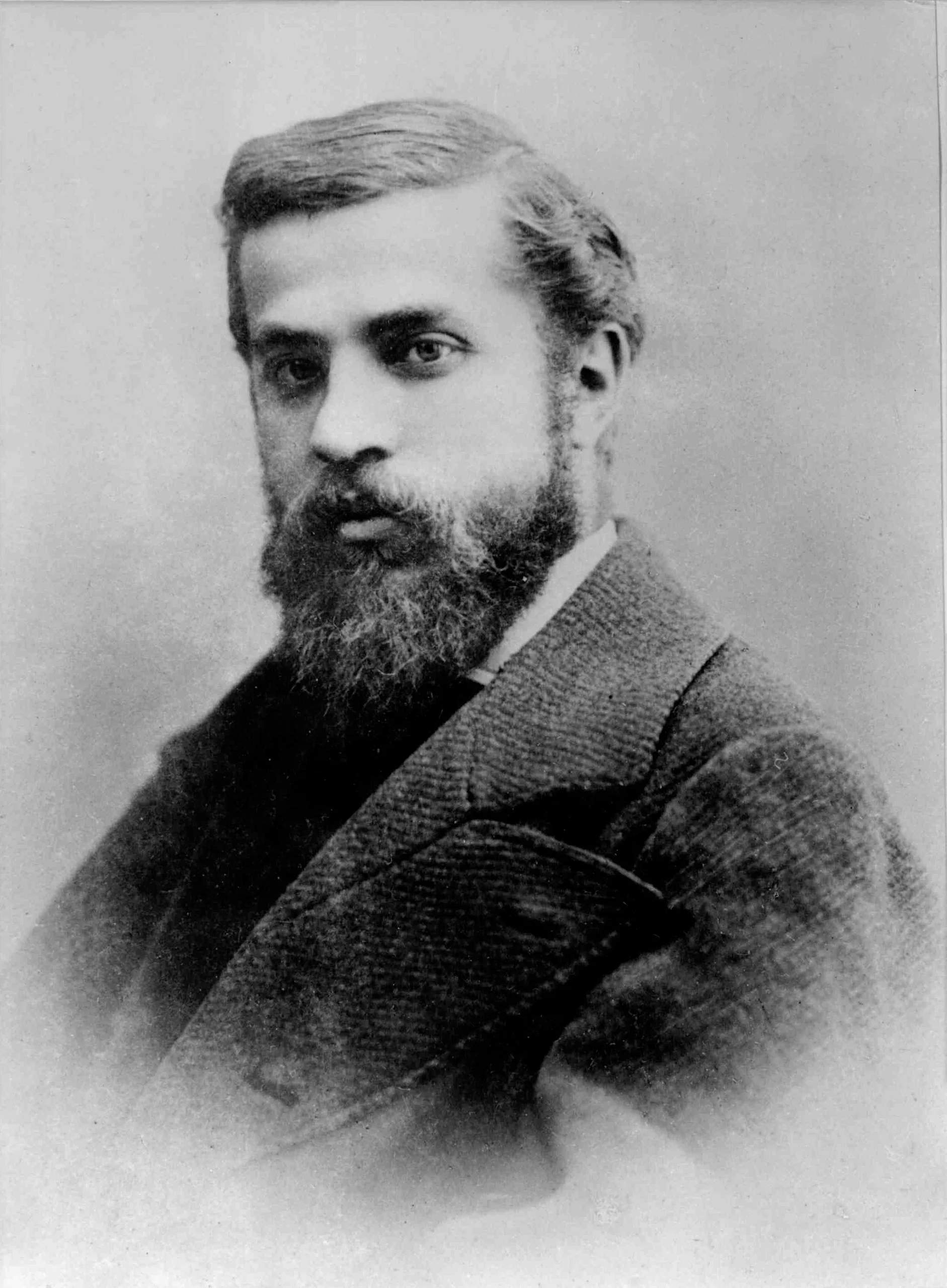
アントニ・ガウディ・イ・コルネットはカタルーニャの建築家兼デザイナーであり、カタルーニャ・モデルニスモの第一人者、そして歴史上最も独創的な建築家の一人です。彼の建築物は、有機的な曲線、鮮やかなモザイク、構造的な大胆さで、まるで大地から生え出たかのようです。最も有名なのはサグラダ・ファミリアで、バルセロナにあるこの記念碑的な大聖堂は一世紀以上も建設が続き、未完成の傑作として知られています。ガウディの他の著名な作品には、グエル公園、カサ・バトリョ、カサ・ミラがあり、これらは毎年何百万人もの訪問者を集めています。彼の手法は直線を排し、自然から着想を得た曲線を重視し、トレンカディスと呼ばれる割れたタイルを使ったモザイク技法を開拓しました。深い信仰心を持ち、晩年はますます禁欲的になったガウディは、人生最後の10年間を完全にサグラダ・ファミリアに捧げました。1926年に路面電車に轢かれて死去しましたが、その遺産はバルセロナのアイデンティティを形成し、世界中の建築家に影響を与え続けています。彼の作品のうち7つはユネスコ世界遺産に登録されています。
生い立ちと背景
ガウディは1852年にカタルーニャの町レウスで生まれましたが、一部の歴史家は近隣の村リウドムスが出生地だと主張しています。銅細工師の家庭で5人兄弟の末っ子でした。父の工房で幼い頃から金属加工と三次元デザインに触れました。リウマチのため他の子供たちと遊べず、自然、植物、動物、岩の形成を長い時間観察し、それが後に彼の建築言語の基盤となりました。
レウスのエスコレス・ピアス校で学んだ後、1868年にバルセロナに移り、エスコラ・テクニカ・スペリオル・ダルキテクトゥーラに入学しました。生計を立てるため、建築家ジョゼップ・フォンセレーとジョアン・マルトレルのもとで製図工として働きました。学業成績は不均衡で、デザインは優秀でしたが、技術科目には苦労しました。それでも1878年に卒業しました。同年、彼がデザインした陳列棚がパリ万国博覧会で賞を受賞しました。この陳列棚は実業家エウゼビ・グエルの目に留まり、グエルはガウディの生涯のパトロンとなりました。
キャリアの歩み
1883年、ガウディは当初の建築家フランシスコ・デ・パウラ・デル・ビリャールからサグラダ・ファミリアのプロジェクトを引き継ぎました。彼はネオゴシック様式の設計を、枝分かれした柱とそびえ立つ尖塔からなる森のような、まったく独自のものに変えました。このプロジェクトは彼の残りの人生を費やすことになります。その後数十年にわたり、彼はバルセロナの富裕層のために次々と傑作を生み出しました。パトロンのエウゼビ・グエルのために、パラシオ・グエル(1886–1890年)を建設しました。これはパラボラアーチと奇妙な煙突が並ぶ屋上を持つ邸宅です。次にグエル公園(1900–1914年)を設計しました。これはもともと富裕層向けのガーデンシティとして構想されました。商業開発は失敗しましたが、公園は奇抜な構造物とモザイクで覆われたベンチのある公共空間となりました。
カサ・バトリョ(1904–1906年)とカサ・ミラ(1906–1910年)は彼の最も有名な住宅作品です。カサ・バトリョのファサードは、鱗状のドラゴンのような屋根と骨のような柱で、色と質感の乱舞を見せます。カサ・ミラはラ・ペドレラとして知られ、うねる石の外壁と、煙突の戦士が並ぶ屋上を持ちます。1914年、ガウディは世俗的な依頼をすべて放棄し、サグラダ・ファミリアに専念しました。1926年に亡くなった時点で、大聖堂は約20パーセントしか完成していませんでした。
キャリア年表
公的イメージとスタイル
ガウディは、先見の明のある天才であり、その仕事への献身が強迫観念に近かった風変わりな芸術家として記憶されています。メディアはしばしば彼を、型破りな手法で崇高な美を生み出した「狂気の建築家」として描きます。深いカトリック信仰から「神の建築家」という異名を得ました。ファンや観光客は彼の建物を巡礼地のように訪れます。正式なファンダム名はありませんが、熱心なファンはガウディニアンと呼ばれることがあります。文化機関が運営するソーシャルメディアアカウントは、彼の作品を敬意を込めて紹介し、時代を超えた影響力を強調しています。彼のイメージは、名声や富に無関心で芸術に生きた人物というものです。
名声とファンダム (iFAMOUS Rankings)
Antoni Gaudí commands a global presence that transcends his historical era, with his architectural legacy drawing sustained international attention through tourism and academic study. Current data from the iFANN Global Fame Rankings places him as the 24th most famous person in Spain, a position he maintains from the previous cycle. His standing among those born in his home nation is similarly secure at the 30th most famous person from Spain, while within the broader European context he holds the 35th most famous person in Europe. In the specific domain of creative professions, Gaudí ranks as the 9th most famous person in Art & Design. These placements reflect a consistent level of recognition across media coverage and cultural consumption signals worldwide. Despite this immense popularity, there is no formal fandom name documented for the architect; enthusiasts are generally described as architecture fans or Gaudí enthusiasts rather than members of an organized group with a specific moniker. The modern following manifests primarily through millions of annual visitors to Barcelona's UNESCO World Heritage sites, who engage in institutional pilgrimages rather than grassroots fan rituals.
興味深い事実と伝説
Gaudí maintained a vegetarian diet for much of his life, driven by religious conviction and health considerations. He eschewed traditional two-dimensional drawings, favoring three-dimensional models and on-site improvisation instead. Tragically, his original sketches and models for the Sagrada Família were destroyed during the Spanish Civil War in 1936, compelling later architects to reconstruct his vision from surviving fragments. The trencadís technique he popularized was actually invented by his collaborator, Josep Maria Jujol. In 1924, he was arrested for protesting the suppression of Catalan culture under the Primo de Rivera dictatorship. On the day he died, he wore shabby clothes and was mistaken for a beggar, receiving inadequate medical care before identification. A widely retold story of his final days describes how he was struck by a tram and, due to his ragged appearance, was taken to a poorhouse where he passed away three days later. This narrative has become a cornerstone of his lore, emphasizing his humility. Recent commemorations in 2026 marked the centenary of his death, including a solemn mass presided over by Pope Leo XIV that blessed a tower at the Sagrada Família, reinforcing his reputation as "God's Architect."
注目の発言
“There are no straight lines or sharp corners in nature. Therefore, buildings must have no straight lines or sharp corners.”
“The architect is the synthesizer of all the arts.”
“Originality consists of returning to the origin.”
“My client is not in a hurry.”
家族と私生活
ガウディは銅細工師フランセスク・ガウディ・イ・セラとアントーニア・コルネット・イ・ベルトランとの間に生まれた5人兄弟の末っ子でした。父の職人技により、彼は幼い頃から金属細工と造形への理解を深めました。兄弟のうち2人は幼児期に、もう1人は若くして亡くなり、残ったのはアントニと姉だけでした。彼は結婚せず、子供もいませんでした。晩年は禁欲的な生活を送り、しばしば擦り切れたスーツを着て粗末な食事をとりました。1925年、亡くなる1年前にサグラダ・ファミリアの敷地内の作業場に移り住み、仕事に近づきました。
注目の関係
パトロンであり友人でもあったエウゼビ・グエルは、ガウディの最も偉大な作品の多くを依頼しました。ジョゼップ・マリア・ジュジョルはトレンカディス・モザイクで協力しました。ジョアン・マルトレルはガウディの指導者であり、サグラダ・ファミリアを推薦しました。リュイス・ドメネク・イ・ムンタネーは同時代のライバルであり、カタルーニャ・モデルニスモのライバルでした。
恋愛関係と交際歴
アントニ・ガウディは結婚したことがなく、信頼できる歴史的記録には恋愛関係の証拠はありません。彼は生涯独身を貫き、カトリックの信仰と建築作品に完全に捧げたと広く信じられています。一部の伝記作家は、若い頃にジョゼパ・モレウという女性に片思いをしていたと示唆していますが、これは確認されていません。2026年現在、ガウディは故人であり、既知の恋人はいませんでした。
死去とその後
死没
June 10, 1926 (73歳没)
死没地
Barcelona, Catalonia, Spain
死因
Complications from tram accident injuries
Antoni Gaudí died on June 10, 1926, in Barcelona, Spain, at the age of 73. The architect was struck by a tram near the intersection of Carrer de Bailèn and Passeig de Gràcia while walking to the Church of Sant Felip Neri for his daily prayers around 5:00 PM. He was initially taken to the Hospital de la Santa Creu i Sant Pau where he was identified only as "a tramp" due to his worn clothing and lack of identification; medical staff did not recognize him until later that day when a passerby confirmed his identity. The official cause of death was complications resulting from the tram accident, specifically gangrene and subsequent sepsis caused by severe injuries to his legs and body. Public reaction shifted rapidly once his identity was established, evolving from initial neglect into widespread mourning among peers, institutions, and officials who recognized the loss of Barcelona's greatest architectural mind.
His funeral was held shortly after the accident, likely within days of June 10, 1926, and he was buried in the crypt of the Sagrada Família, fulfilling his wish to be interred in the temple he had dedicated his final years to constructing. Posthumously, Gaudí received numerous honors including the designation of seven of his works as UNESCO World Heritage Sites between 1984 and 2005. In 2026, the centenary of his death sparked significant commemorative events, such as the restoration of the third floor of Casa Batlló and the release of LEGO sets honoring his work.
総資産(遺産評価額)
$10 Million
iFANN編集チームによる推定
Per iFANN's editorial analysis, Antoni Gaudí's posthumous net worth stands at $10 Million as of 2026, representing the value of his intellectual property and estate legacy. During his lifetime, the architect lived frugally and frequently declined payment for his work on the Sagrada Família. At the time of his death in 1926, his personal estate consisted largely of effects and unfinished models. Today, the Sagrada Família generates approximately €100 million annually in ticket sales, managed by the Junta Constructora foundation. Park Güell, Casa Batlló, and Casa Milà also attract millions of visitors, contributing over €1 billion annually to Barcelona's tourism economy. Licensing and merchandise related to Gaudí's designs add further revenue streams. However, these funds are directed toward various foundations and city entities rather than a personal estate. The $10 Million figure reflects the estimated value of his remaining copyrights and legacy assets.
受賞 (1)
ガウディは生前、ほとんど正式な賞を受賞していません。1900年、彼のカサ・カルベットがバルセロナ市議会の年間最優秀建築賞を受賞しました。これが彼の唯一記録された建築賞です。死後、彼の作品は7つのユネスコ世界遺産に認定されています。
1900 · 建築
Casa Calvet
代表作
Sagrada Família
1883 · 建築家
Park Güell
1914 · 建築家
Casa Batlló
1906 · 建築家
Casa Milà (La Pedrera)
1910 · 建築家
Palau Güell
1890 · 建築家
キーワード
クイック情報
- 職業
- architect, designer, drafter
- 生年月日
- +1852-06-25
- 出生地
- Reus
- 死没
- +1926-06-10
- 死没地
- Barcelona
- 性別
- 男性
- 星座
- Cancer
個人情報
- 本名
- Antoni Gaudí i Cornet
- 身長
- 5 ft 5 in (165 cm)
- 学歴
- Escola Tècnica Superior d'Arquitectura, Barcelona
よくある質問
アントニ・ガウディは何歳で亡くなりましたか?
2026年のアントニ・ガウディの総資産はいくらですか?
アントニ・ガウディには子供がいましたか?
サグラダ・ファミリアはいつ完成しますか?
アントニ・ガウディは何で最もよく知られていますか?
ソーシャルメディア
コミュニティに参加
人のファンが話題に