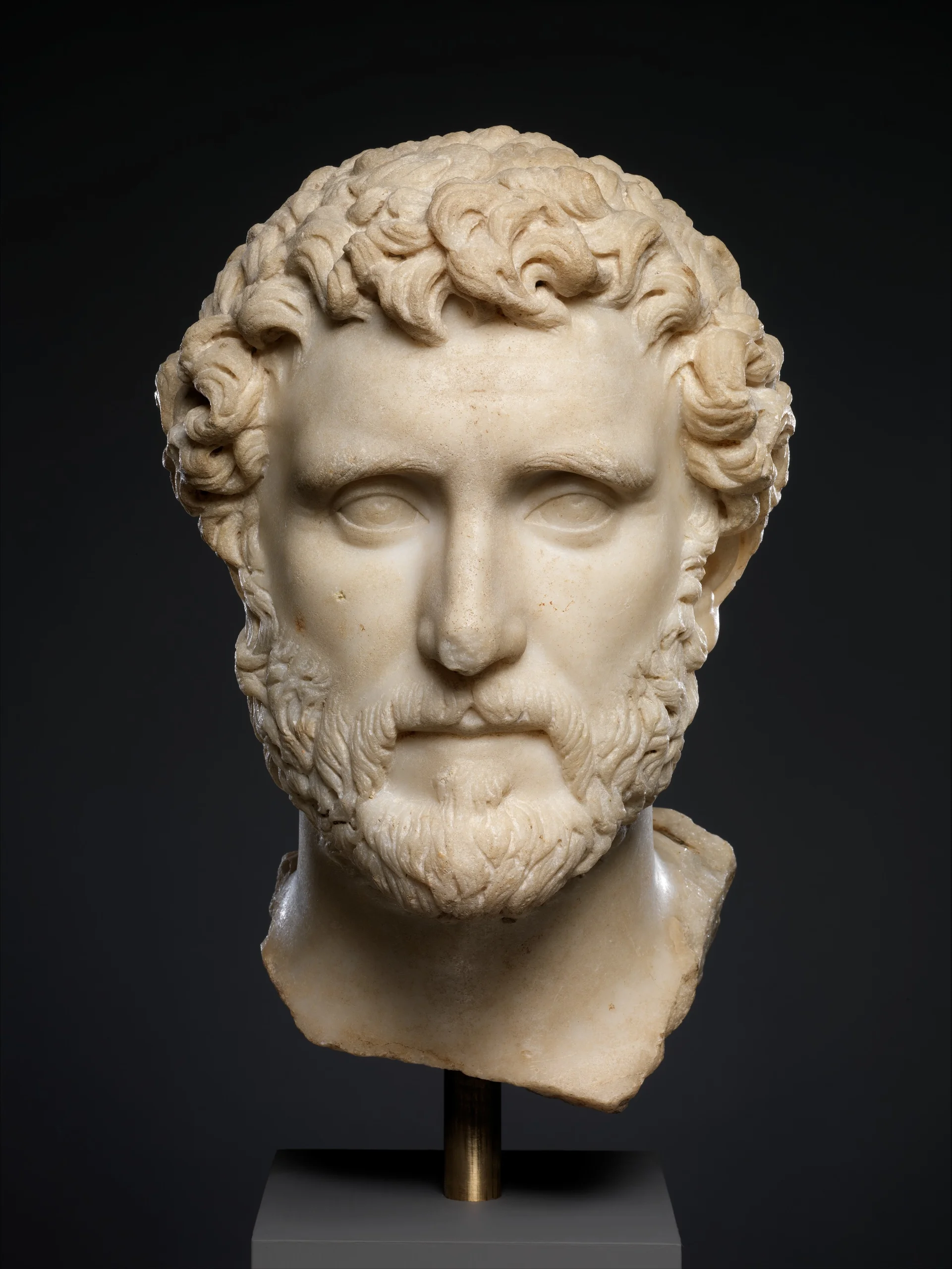
Antoninus Pius
Also known as: Pius
誕生日
September 19, 86
星座
Virgo
出生地
Lanuvium
年齢
75歳で死去
概要
アントニヌス・ピウスは、86年9月19日にラヌウィウムで生まれ、本名をティトゥス・アエリウス・ハドリアヌス・アントニヌスといい、138年から161年まで統治したローマ皇帝です。彼は「五賢帝」の4人目として広く知られており、この時代はローマ帝国の安定と繁栄の黄金期と見なされています。アントニヌスは有力な元老院議員の家系に生まれ、その背景は彼を公務の人生へと備えさせました。ハドリアヌス帝の姪である大ファウスティナとの結婚を通じて皇室との結びつきを深め、最終的にはハドリアヌスによって後継者として養子に迎えられました。
即位後、アントニヌスは「ピウス」という尊称を得ました。これは彼の献身と義務感を反映した称号です。この名は、養父ハドリアヌスへの揺るぎない支援、特にハドリアヌスの神格化を主張したことや、ハドリアヌス治世末期に処刑された元老院議員たちへの寛容さに由来すると考えられています。約23年にわたる彼の治世は、顕著な平穏さで際立っており、大規模な内乱や重要な外戦はなく、ローマ帝国史上稀な時代でした。治世初期にはスコットランド南部での軍事作戦により、印象的なアントニヌス城壁が建設され、ローマの工学技術と帝国の到達範囲を示しました。
軍事面以外でも、アントニヌスは非常に有能な行政官であることを証明しました。彼は慎重に帝国財務を管理し、後継者たちに強固な財政基盤を確保しました。また、ローマ市民の福祉を優先し、清潔な飲料水へのアクセスを拡大し、広大な帝国全体で法の一貫性を確保するために尽力しました。彼の政策は解放奴隷が完全なローマ市民権を得ることを容易にしました。アントニヌス・ピウスは161年3月7日、ロリウムで病気により死去し、帝国を養子であるマルクス・アウレリウスとルキウス・ウェルスの手に委ねました。彼らは後に共同統治を行うことになります。
生い立ちと背景
ティトゥス・アエリウス・ハドリアヌス・アントニヌスは、86年9月19日、ローマ南東の町ラヌウィウムで生まれました。彼の家族は尊敬される元老院議員の家系であり、彼の幼少期はローマの公的生活と政治の伝統に浸っていたことが示唆されます。若きアントニヌスは、ローマのエリートにふさわしい包括的な教育を受け、後に就く行政・政治の役割に備えたと考えられます。彼の初期の経歴は、伝統的なローマの政治の階段を上り、クァエストル、プラエトル、コンスルを歴任しました。
彼の人生の重要な転機は、大ファウスティナとして知られるアンニア・ガレリア・ファウスティナとの結婚でした。彼女はハドリアヌス帝の姪であり、皇室との直接的な血縁関係を確立しました。このつながりが決定的な役割を果たしました。ハドリアヌスはアントニヌスの誠実さと行政能力を認め、後継者に選びました。138年、ハドリアヌスは正式にアントニヌスを養子とし、これにより同年後半のハドリアヌスの死に際して平穏な権力移譲が確保されました。この養子縁組は、アントニヌスの「名声前」の時代を決定的に終わらせ、彼を皇帝への直接の道に置きました。
キャリアの歩み
138年にハドリアヌスが死去すると、アントニヌスは円滑に帝位に就き、約23年にわたる類まれな平和と安定の治世が始まりました。特筆すべき初期の行動は、元老院の当初の反対にもかかわらず、養父ハドリアヌスの神格化を主張したことです。この献身と、ハドリアヌスの不興を買った元老院議員たちへの寛容さが、彼に「ピウス」の尊称が与えられた理由と広く信じられており、この称号は彼の皇帝名の不可欠な一部となりました。
彼の統治は財政責任によって特徴づけられ、帝国財務を効果的に管理し、後継者たちに強固な財政状態を残しました。アントニヌスは帝国市民の一般的な福祉の向上に注力し、清潔な飲料水へのアクセス拡大や、ローマ領土全体でのより一貫した法的枠組みの促進などの施策を実施しました。彼の治世における重要な軍事事業は、142年頃に始まるスコットランド南部でのアントニヌス城壁の建設でした。フォース=クライド地峡を横断するこの印象的な要塞は、ローマの国境をさらに北に押し広げましたが、後に放棄されました。また、解放奴隷が完全なローマ市民権を得ることを容易にする改革も行い、当時としては進歩的な措置でした。
彼の最も永続的な決断の一つは、後継者計画を慎重に行ったことです。161年、彼は有望な若者であるマルクス・アウレリウスとルキウス・ウェルスを養子とし、共同皇帝に指名しました。この思慮深い取り決めにより、安定した権力移譲が確保され、彼の先見性と帝国の未来への献身を示しています。アントニヌス・ピウスは161年3月7日、ロリウムの別荘で病気により死去し、あらゆる点で繁栄しよく統治された帝国を残しました。
キャリア年表
公的イメージとスタイル
アントニヌス・ピウスは歴史の記憶の中で独特の地位を占めており、主にローマの歴史家や後世の学者の視点を通じて、理想的な統治者として描かれることが多いです。多くの皇帝と異なり、彼の公的な人物像は軍事征服や劇的な政治的変動ではなく、正義、思慮深さ、そして平和への深い献身という評判によって定義されました。彼はその尊称「ピウス」が示す美徳、すなわち義務感、敬虔さ、伝統への敬意を体現しました。
彼の治世は平穏と繁栄の時代として記憶され、ローマ帝国史を特徴づけることの多い混乱の時代とは対照的です。この賢明で慈悲深い統治者というイメージは何世紀にもわたって共鳴を呼び、「五賢帝」という由緒あるグループへの彼の包含に貢献しました。現代の観客にとって、彼の遺産は安定化の力であり、個人的な栄光や攻撃的な拡大よりも市民の福祉と帝国の慎重な管理を優先した指導者です。
名声とファンダム
For over a millennium and a half, the devotion to Antoninus Pius has been measured not in ticket sales or trending hashtags, but in the careful study of his coins by numismatists and the excavation of his family villas. This community of historians and enthusiasts treats every new mosaic found near Castel di Guido as a major release, celebrating the quiet dignity of a reign that prioritized stability over spectacle. While modern pop culture generates fan clubs with specific names, the audience for this Roman emperor remains an informal coalition of scholars and collectors who find their connection through the material legacy he left behind rather than organized campaigns or social media movements.
The iFANN Global Fame Engine evaluated this figure in August 2026 and determined that Antoninus Pius is currently EVALUATED_UNRANKED, meaning he does not hold a placement in the published Global Top 1,000 or any Top-100 scope list. This status reflects his position as a historical icon rather than a contemporary celebrity competing for current public attention metrics. The evaluation confirms that while his administrative successes and peaceful rule are well-documented, they do not generate the volume of real-time consumption signals required for a ranked placement in the current global fame index.
Despite the lack of a formal ranking, the influence of Antoninus Pius persists through the enduring fascination with the Pax Romana and the Stoic virtues he embodied. His story serves as a counter-narrative to the violent transitions typical of imperial history, drawing readers into the specifics of a twenty-three-year period defined by legal reform and infrastructure expansion. The absence of a named fandom underscores the unique nature of his legacy; there are no birthday billboards or charity drives, only the steady, scholarly engagement of those who study the Five Good Emperors and the tangible artifacts from an era where peace was the primary policy.
興味深い事実と伝説
The most enduring legend surrounding Antoninus Pius is the sheer peacefulness of his twenty-three-year reign, which stands in stark contrast to the military conflicts typical of other Roman emperors. Historians often cite his refusal to engage in major wars as the primary reason for his epithet 'Pius,' framing him as the ideal Stoic ruler who prioritized stability over conquest. A widely retold story details his death in 161 CE at the villa in Lorium, where he passed away peacefully at age seventy-four after ensuring a smooth succession to his adopted son, Marcus Aurelius. This seamless transition is frequently highlighted as a reflection of his effective governance and foresight.
Recent archaeological findings have added new layers to his narrative, with excavations near Castel di Guido uncovering monumental villas possibly linked to his inner circle, revealing mosaics and statues that hint at the opulence of his era. Another persistent tale involves his careful management of the imperial treasury, leaving it in such robust condition that it required no emergency measures for decades. Unlike modern legends involving crowd surges or viral moments, the lore of Antoninus Pius consists entirely of documented administrative successes and the quiet dignity of a long, uneventful rule that allowed the empire to flourish without bloodshed.
A curious footnote in recent digital archives occasionally surfaces a satirical headline suggesting the emperor died from eating too much cheese, though serious scholarship dismisses this as a modern fabrication rather than a classical legend. The true iconic moment remains the discovery of these ancient structures, which provide physical proof of the wealth and cultural refinement that characterized his domestic life and the broader Antonine age.
家族と私生活
アントニヌス・ピウスは尊敬される元老院議員の家系の出身でしたが、両親や兄弟に関する具体的な詳細は歴史的記録に広く残っていません。彼の個人的な家族生活は、大ファウスティナとして歴史に知られるアンニア・ガレリア・ファウスティナとの結婚を中心としていました。2人は120年頃に結婚し、4人の子供をもうけました。悲劇的に、2人の息子ティトゥス・アウレリウス・アントニヌスとマルクス・ガレリウス・アウレリウス・アントニヌスはどちらも幼少期に亡くなりましたが、これは古代にはよくある悲しみでした。
娘の小ファウスティナとなるアンニア・ガレリア・ファウスティナとアンニア・ルキッラは生き残りました。大ファウスティナ自身は141年、アントニヌスの治世初期に死去しました。彼は彼女を深く悲しみ、神格化し、彼女を称える崇拝を確立したと伝えられています。彼は再婚しませんでしたが、マルクス・アウレリウスとルキウス・ウェルスを養子として迎え、後継者に指名することで家族を拡大しました。
注目の関係
アントニヌス・ピウスの遺産は、彼の時代の主要な人物たちと深く結びついています。養父であり先帝であるハドリアヌスは、彼の権力への道筋を形作る上で重要な役割を果たしました。妻の大ファウスティナは治世初期に重要な役割を担い、死後神格化されました。将来の皇帝であるマルクス・アウレリウスとルキウス・ウェルスは彼の養子であり、選ばれた後継者として、彼が確立した安定した継承の流れを引き継ぎました。娘の小ファウスティナはマルクス・アウレリウスと結婚し、これらの関係をさらに強固なものとしました。
恋愛関係と交際歴
アントニヌス・ピウスの私生活、特に人間関係は、アンニア・ガレリア・ファウスティナ(歴史的には大ファウスティナとして知られる)との結婚を中心としていました。彼らは紀元120年頃に結婚し、ファウスティナがハドリアヌス帝の姪であったことから、この結婚は彼の政治的立場を大幅に強化しました。二人の間には4人の子供がいました。二人の息子、ティトゥス・アウレリウス・アントニヌスとマルクス・ガレリウス・アウレリウス・アントニヌスは、悲劇的に幼くして亡くなり、二人の娘、アンニア・ガレリア・ファウスティナ(後に小ファウスティナとして知られる)とアンニア・ルキッラがいました。
大ファウスティナは紀元141年、アントニヌスの治世からわずか3年で亡くなりました。彼は彼女の死を深く悲しみ、愛情を示すために彼女を神格化し、神殿と崇拝を捧げたと伝えられています。彼女の死後、アントニヌス・ピウスは再婚せず、残りの人生を独身で過ごしました。王朝的な意味での彼の最も重要な後期の「関係」は、紀元161年にマルクス・アウレリウスとルキウス・ウェルスを養子にし、後継者に指名したことであり、これにより平和的な権力移行が確保されました。2026年現在、アントニヌス・ピウスは歴史的人物であり、死去時には未亡人の状態でした。
- 既婚Faustina the Elder120 - 141二人の間には4人の子供がいたが、二人の息子は幼くして亡くなった。彼女はハドリアヌス帝の姪であった。
死去とその後
死没
March 7, 161 (75歳没)
死没地
Lorium, Lanuvium, Italy
死因
Natural causes due to illness and age
Antoninus Pius spent his final days in quiet seclusion at his private villa in Lorium, near Lanuvium, where he had retreated from public duties as a lingering illness took hold. By March 7, 161, the emperor was too unwell to attend any functions and reportedly lost his appetite before passing away peacefully in his sleep at the age of seventy-four. Ancient historians like Cassius Dio and the author of the Historia Augusta record that his death resulted from natural causes associated with advanced age. The Roman Senate responded with profound reverence, officially deifying Antoninus as Divus Antoninus and voting to erect a temple in the Forum alongside a dedication to his wife, Faustina. Marcus Aurelius delivered a eulogy praising his father's character, while the populace participated in grand funeral rites that culminated in the cremation of the emperor's body.
His ashes were interred in the Mausoleum of Hadrian, now known as Castel Sant'Angelo, joining his wife and daughter Lucilla in their final resting place. A monumental column topped with a statue of the emperor once stood in the Roman Forum to honor his legacy, though only its base survives today, serving as a silent reflection of his reign. Posthumous honors included the issuance of coins bearing his image and the rededication of the Arch of Antoninus Pius and Faustina, which remains a landmark in Rome. His vast personal estates and wealth passed directly to his successors without confiscation, allowing them to maintain the stability and prosperity he had cultivated throughout his twenty-three-year reign.
総資産(遺産評価額)
$0
iFANN編集チームによる推定
Per iFANN's editorial analysis, the net worth of Antoninus Pius is recorded as $0. Discussing the financial standing of an ancient Roman emperor in modern terms presents a unique challenge, as the concept of personal wealth was vastly different from today. As of 2026, applying a contemporary net worth figure to an ancient ruler is anachronistic; therefore, Antoninus Pius's net worth is considered to be $0 in this context. During his reign, the emperor's personal fortunes were inextricably linked with the vast resources of the Roman state. While he certainly commanded immense wealth in terms of land, property, and the imperial treasury, these assets were largely considered part of the imperial office rather than personal holdings in the modern sense. Antoninus Pius was known for his careful financial management of the empire, famously leaving the treasury in a strong and stable condition for his successors. He did not engage in profligate spending or massive building projects that would drain state coffers, instead focusing on maintaining the empire's fiscal health and public welfare initiatives like expanding water systems and legal reforms. His wealth, therefore, was primarily the wealth of the Roman state, which he was tasked with stewarding responsibly for the benefit of the empire.
受賞と栄誉
View 3 records, honours and achievements代表作
Reign as Roman Emperor
138 · Emperor of Rome
Antonine Wall
142 · Initiator of construction
Era of Peace (Pax Romana)
138 · Ruler during a period of stability
キーワード
クイック情報
個人情報
- 本名
- Titus Aelius Hadrianus Antoninus
- 配偶者
- Faustina the Elder
- 子ども
- Titus Aurelius Antoninus · Marcus Galerius Aurelius Antoninus · Annia Galeria Faustina (Faustina the Younger) · Annia Lucilla
よくある質問
アントニヌス・ピウスとは誰ですか?
アントニヌス・ピウスはいつ生きましたか?
アントニヌス・ピウスは何で知られていますか?
誰がアントニヌス・ピウスの後を継ぎましたか?
なぜ彼は「Pius」と呼ばれたのか?
コミュニティに参加
人のファンが話題に