 China
概要
蔡倫(英語圏ではツァイ・ルンとして知られる)は、中国後漢時代の宦官で宮廷官僚であり、製紙法における彼の革新は世界を変えました。紀元75年頃に洛陽の imperial court に入るまで、紀元50~62年頃、現在の湖南省耒陽で生まれました。明帝、章帝、和帝に仕え、蔡倫は侍中から小黄門(imperial messenger)へと昇進しました。彼の政治的手腕は、竇氏(Lady Dou)が養子を後継者として確実にするのを助け、最高位の宦官職である中常侍(Zhongchang shi)および宮廷工房の監督者である尚方令(Shangfang Ling)に任命されることにつながりました。そこで彼は、工芸品や武器の生産を改善し、職人技で評判を得ました。しかし、彼の最も重要な貢献は紀元105年にありました。樹皮、麻くず、古いぼろきれ、魚網を使用した新しい製紙法です。この革新により、紙はより安価で豊富になり、竹や絹のひもに取って代わり、帝国中に広まりました。蔡倫は富、侯爵の称号、そして龍亭(Longting)の封土で報われました。紀元110年、鄧太后(Empress Dowager Deng)は彼に『五経』の改訂を監督するよう任命しました。しかし、紀元121年に鄧太后が亡くなった後、蔡倫は皇太后の祖母である宋貴人(Consort Song)の以前の死に関与したとして告発されました。不名誉と処刑の可能性に直面し、彼はその年、洛陽で自殺しました。蔡倫の革新は、羅針盤、火薬、印刷術とともに、中国の四大発明の1つと考えられています。東アジア以外ではほとんど知られていませんが、中国では製紙の神として崇拝されており、彼の故郷は製紙の中心地であり続けています。
生い立ちと背景
現在の湖南省耒陽、桂陽郡の modest family に生まれ、蔡倫は少年時代に imperial palace に入り、宦官になるために去勢を受けました。これは、漢王朝時代の中国で昇進を求める lower-status family にとって common path でした。彼は紀元75年頃、明帝の治世中に洛陽で court service を開始しました。彼の初期教育には、court protocol、literacy、administrative duties の training が含まれていました。彼の prominence への最初のステップは、palace communications を管理する junior eunuch position である侍中(Xiao Huangmen)を務めたことです。彼が竇皇后(Empress Dou)と手を組んだのは、彼女の養子である劉肇(後の和帝)が皇太子として確実になるのを助けたときでした。この political maneuver は、蔡倫の standing を considerably 高めました。
キャリアの歩み
紀元88年、蔡倫は imperial communications を担当する mid-ranking eunuch position である小黄門(Xiao Huangmen)に任命されました。紀元92年までに、彼は Empress Dou の political maneuvers における役割により、最高位の宦官職である中常侍(Zhongchang shi)に昇進しました。紀元97年、彼は武器、楽器、 luxury goods の生産を監督する尚方令(Shangfang Ling)になりました。紀元105年、彼は樹皮、麻くず、古いぼろきれ、魚網を使用して durable で affordable な紙を作成する、改良された製紙法を和帝に提示しました。紀元110年、鄧綏(Empress Dowager Deng Sui)は彼に major imperial project である『五経』の scholarly revisions を監督するよう任命しました。紀元114年、彼は300世帯の封土を持つ龍亭侯(Marquis of Longting)の称号を授与されました。鄧太后が紀元121年に亡くなった後、蔡倫は安帝の祖母である宋貴人(Consort Song)の紀元97年の死に関与したとして告発されました。刑務当局に報告するよう命じられ、彼は入浴し、 formal robes を着て、毒を飲んで自殺しました。
キャリア年表
公的イメージとスタイル
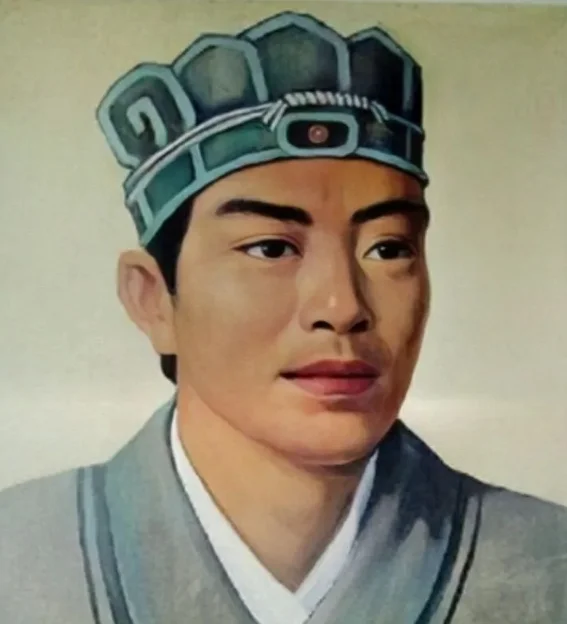
中国では、蔡倫は technology の national hero として celebrated されています。中国の popular culture では、彼は wise で bearded な scholar-artisan として描かれていますが、宦官は facial hair を欠いていたため、anachronistic な portrayal です。彼の aesthetic は、bamboo screens、mulberry bark、vats of pulp といった、traditional Chinese papermaking に associated されています。製紙愛好家、中国史愛好家、技術史家が loose community of interest を形成しています。耒陽で開催される蔡倫製紙文化祭(Cai Lun Paper Culture Festival)は、製紙コンテストや歴史 reenactments を featured し、毎年数千人を draw しています。中国のテレビドラマでは、彼は palace politics によって破滅した tragic genius として portrayal されていますが、西洋のドキュメンタリーは彼の technological contribution に焦点を当てています。
名声とファンダム (iFAMOUS Rankings)
The legacy of Cai Lun is a quiet monument rather than a roaring crowd, defined by the sheer endurance of his invention rather than the fleeting heat of celebrity. For nearly two millennia, he has stood as a singular figure in Chinese history, revered not for performance or persona but for the fundamental shift he brought to human communication. While modern fans might rally behind living idols with organized campaigns and social media hashtags, Cai Lun's admirers are a diffuse collection of historians, papermaking enthusiasts, and cultural pilgrims who visit sites like the Cai Lun Paper Culture Museum in Weifang. There is no formal fandom name attached to his memory, nor are there rituals of fainting crowds or fan-funded billboards; his 'fanbase' is simply anyone who has ever held a sheet of paper.
Despite this lack of modern celebrity machinery, his global standing remains remarkably robust within the canon of historical figures. The iFANN Global Fame Rankings place him as the 66th most famous person from China, a position he has held steady across recent cycles. This ranking reflects a sustained, deep-rooted recognition that transcends regional borders, anchoring him firmly among the titans of Eastern innovation. His status is not built on viral moments or trending topics, but on the silent, ubiquitous presence of his work in every corner of the world.
興味深い事実と伝説
Archaeological evidence confirms that paper-like materials existed in China as early as the 2nd century BCE, yet Cai Lun's contribution was standardizing and refining the manufacturing process to make paper affordable for widespread use. He bathed, donned his finest formal robes, and drank poison rather than face public execution, a common dignified suicide practice for disgraced Han officials. Recent scholarship suggests Cai Lun oversaw a team of craftsmen at the Imperial Workshops, meaning his role was more administrative than hands-on.
The story of his invention remains the central legend of his life. Around 105 CE, he is credited with innovating the method by using tree bark, hemp ends, old rags, and fishnets to create a pulp suitable for writing. While some scholars view this as a consolidation of gradual technological evolution, the narrative of the imperial acceptance of his invention stands as his defining moment. Emperor Hedi recognized the utility of the new material, leading to its adoption across China and eventually the world. Papermaking spread from China to Korea and Japan by the 7th century, reached the Islamic world by the 8th century, and arrived in Europe by the 12th century. Despite his enormous impact, Cai Lun was virtually unknown in Europe until the 19th century when Jesuit missionaries translated Chinese historical texts.
注目の発言
“In ancient times, writings and records were inscribed on bamboo tablets or on silk cloth. But silk being expensive and bamboo heavy, they were not convenient for use.”
“Cai Lun was ashamed and bathed himself, put on his formal robes and cap, and drank poison to end his life.”
“His paper has carried the wisdom of humanity for two thousand years.”
家族と私生活
蔡倫の出身家族は、彼の出生地である耒陽以外では unknown です。子供の頃に palace に入った宦官として、彼は配偶者、子供、または romantic relationships を持ちませんでした。歴史記録には両親、兄弟、または家族のメンバーは mention されていません。彼の教育は、 formal scholarly study ではなく、court training に limited されていました。
注目の関係
蔡倫の political patron は竇太后であり、彼は和帝の succession を確実にするのを助けました。和帝は紀元105年に製紙の革新を受け取りました。鄧太后(Empress Dowager Deng Sui)は彼に『五経』改訂プロジェクトを監督するよう任命しました。彼女の死により、彼は vulnerable になりました。紀元97年の宋貴人(Consort Song)の死は蔡倫の関与で orchestrate されており、彼が起訴された crime となりました。安帝(Emperor An)、宋貴人の孫は、蔡倫の起訴を命じました。
恋愛関係と交際歴
蔡倫には、記録された恋愛関係、結婚、パートナーシップはありませんでした。幼い頃から皇居に仕える宦官であったため、結婚したり子供をもうけたりすることは身体的に不可能でした。歴史的な情報源は、恋愛関係や性的な関係について言及していません。
死去とその後
死没
121 (121歳没)
死没地
Luoyang
死因
Reported suicide
Cai Lun died in 121 CE within the capital of the Eastern Han Dynasty, likely Luoyang. Historical accounts describe a period of disgrace when he was implicated in misconduct and summoned to answer charges regarding his conduct as a high-ranking official. This is described as a reported or traditional account found in historical records rather than a medically verified ruling. He chose to end his life rather than face imprisonment or execution. He was approximately fifty-eight to sixty years old at the time of his passing. The immediate political reaction involved an initial view of him negatively due to the scandal, yet the value of the papermaking process he perfected proved undeniable shortly after his death.
By the Wei and Jin dynasties, his reputation had been fully rehabilitated, leading to enduring veneration across China and globally as the father of paper. Modern commemorations include cultural performances and museum exhibits dedicated to his legacy. Cai Lun was buried in Hanzhong, where a grassy hill now marks the site that houses the Cai Lun Paper Culture Museum. His estate was handled by the imperial court, and he was posthumously titled Marquis Tshai by Emperor An, restoring his honor after the initial disgrace.
総資産(遺産評価額)
蔡倫は現代の通貨制度の約1,900年前にあたる紀元121年に亡くなりました。現在の総資産はありません。生前、彼の富は、穀物と絹で測られる中常侍と尚方令としての皇室からの給与、穀物と地元産品で税金を支払う300戸の封土、そして製紙の革新に対する金、絹、貴重品などの皇室からの贈り物から得られていました。現在、相続財産は存在しません。彼の革新はパブリックドメインにあり、子孫や遺産管理者によるロイヤリティの徴収はありません。彼の故郷である耒陽には記念寺院と博物館がありますが、これらは国営機関です。
受賞と栄誉
View 6 records, honours and achievements代表作
Improved papermaking process
105 CE · 発明家
キーワード
クイック情報
- 職業
- inventor, politician, eunuch
- 生年月日
- c. 48-62 CE
- 出生地
- Leiyang, Hunan, China
- 死没
- 121 CE
- 死没地
- Luoyang, China
- 性別
- 男性
個人情報
- 本名
- Cai Lun
よくある質問
蔡倫はどのように亡くなりましたか?
蔡倫は何を発明しましたか?
蔡倫はいつ生まれましたか?
蔡倫は宦官でしたか?
蔡倫はなぜ重要ですか?
コミュニティに参加
人のファンが話題に