
Democritus
Also known as: The Laughing Philosopher, Gelasinos
誕生日
460 BCE
星座
Capricorn
出生地
Abdera, Thrace (modern-day Avdira, Greece)
年齢
90歳で死去
概要
デモクリトス(紀元前460年頃生まれ)は、ソクラテス以前の哲学者であり、宇宙のすべてが空虚な空間を移動する微細で不可分な粒子、原子からできているという、歴史上最も影響力のある考え方を定式化しました。彼は倫理学、物理学、数学、音楽などについて執筆し、陽気さが人生の最高目標であるという信念から「笑う哲学者」というニックネームを得ました。彼のオリジナル作品は現存しておらず、後世の著述家によって保存された断片や、アリストテレスによる彼の思想への批判的な考察を通してのみ知られています。デモクリトスは紀元前370年頃に亡くなりましたが、彼の原子論はエピクロスに影響を与え、最終的には近代科学にまで受け継がれました。
生い立ちと背景
デモクリトスは、北エーゲ海沿岸のギリシャ植民地アブデラにある裕福な家庭に育ちました。彼の父ヘゲシストラトスは、紀元前480年頃のペルシャ王クセルクセスのギリシャ侵攻の際に、王をもてなしたと伝えられています。その報酬として、クセルクセスはマギやカルデアの学者を一家に派遣し、若いデモクリトスに天文学と神学を教えました。父の死後、デモクリトスは莫大な遺産を元手に、知られている世界の各地へ広範な旅をしました。彼はエジプト、ペルシャ、バビロニア、インド、そしておそらくエチオピアまで旅をし、司祭や学者から知識を求めました。アブデラでは、原子論の創始者レウキッポスに師事し、その教えはデモクリトス自身の哲学の基礎となりました。
キャリアの歩み
デモクリトスのキャリアは、数十年にわたる執筆と教育の中で展開されました。紀元前420年から400年頃にかけて、彼は『大世界体系』や『小世界体系』をはじめ、倫理学や自然哲学に関する論考の大部分を執筆しました。紀元前400年頃にアテネを訪れた際、彼は「アテネに来たが、誰も私を知らなかった」と語ったと伝えられており、知性の中心地での名声とは裏腹の、自身の知名度の低さを反映しています。アブデラに戻ってからも執筆と教育を続け、「笑う哲学者」というニックネームを得るほど陽気な性格でした。彼の原子論は後にエピクロスによって採用・修正され、ローマの詩人ルクレティウスによって広められました。近代においては、ジョン・ドルトンがデモクリトスを原子論の先駆者として認めています。
キャリア年表
公的イメージとスタイル
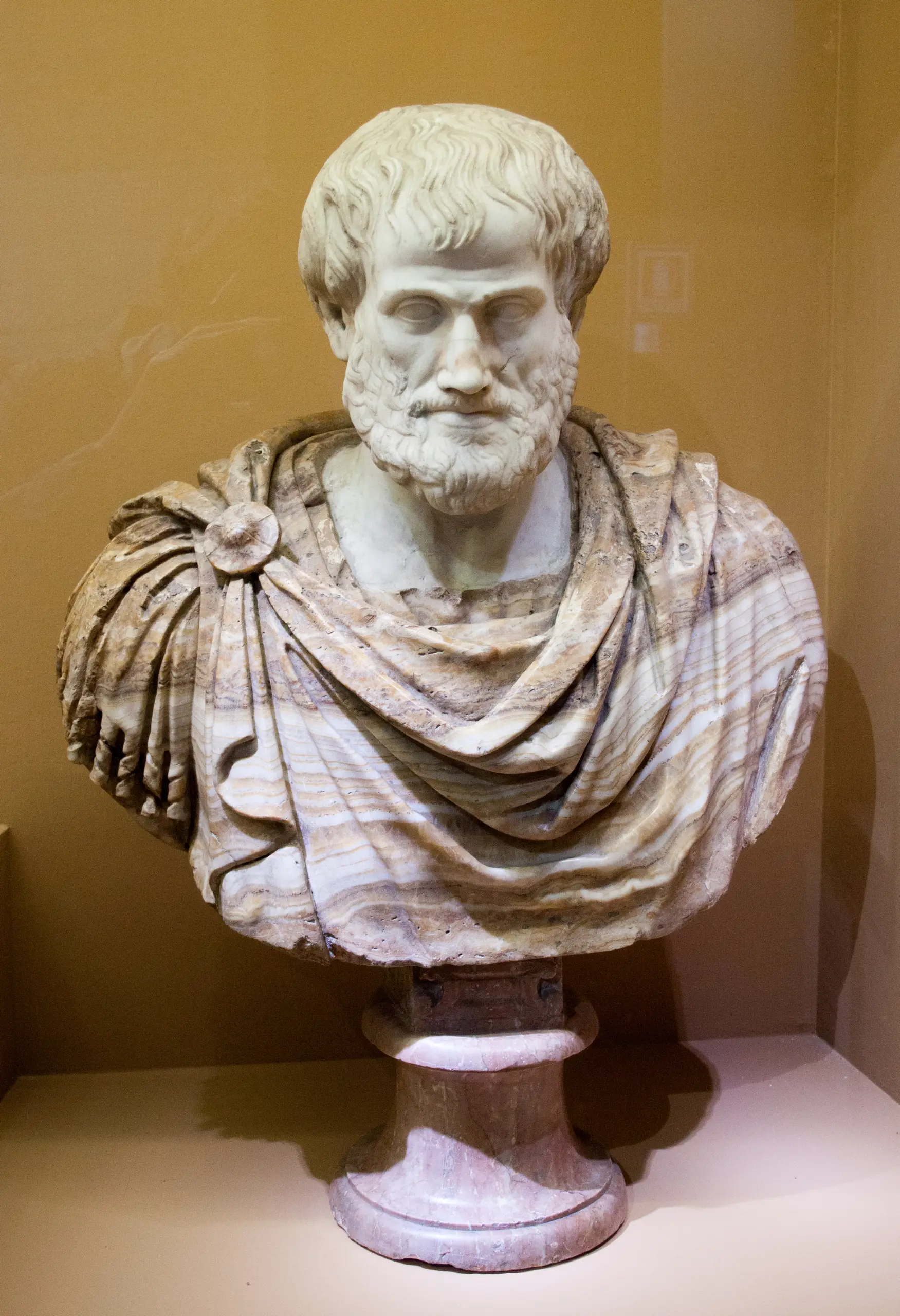
古代美術において、デモクリトスは通常、年老いた髭を生やした哲学者として描かれ、しばしば笑ったり微笑んだりしており、時には地球儀や天文学的計器を持っています。「笑う哲学者」という図像は、「泣く哲学者」ヘラクレイトスとは対照的です。ルネサンス期の画家ジュセペ・デ・リベーラは、ヘラクレイトスが泣いている間にデモクリトスが笑っている様子を描いています。彼はヴォルテールの著作やモンテーニュのエセーに登場します。今日、デモクリトスへの関心は主に学術的なものであり、彼のWikipediaページは毎月数万回の閲覧があります。
名声とファンダム (iFAMOUS Rankings)
Democritus, the ancient Greek philosopher who first conceived of atoms, has been evaluated by iFANN's Global Fame Engine but currently holds no placement in the published rankings. He does not appear among the Global Top 1,000 or any Top-100 scope list. This is a neutral statement of fact, not a judgment on his historical significance, his fame endures in classrooms, science popularizations, and even tech circles, but it does not translate into the kind of measurable contemporary ranking iFANN tracks.
His fanbase has no formal name. There are no organized fan clubs, no conventions, no coordinated campaigns, nothing resembling modern celebrity fandom. Instead, his legacy is carried by philosophy students, academics, and enthusiasts who celebrate his atomic theory as one of antiquity's most prescient ideas. Popular science writers often hail him as "The Atomic Visionary," and his quotes occasionally surface in news features. In a curious modern echo, the TRON blockchain network named a 2025 upgrade "Democritus," and Scott Aaronson's book Quantum Computing Since Democritus uses his name as a touchstone. These are cultural references, not fan-driven initiatives, but they keep his name alive in unexpected corners.
興味深い事実と伝説
Democritus was known as the Laughing Philosopher because he believed cheerfulness was the highest good. One apocryphal story claims he blinded himself by staring at the sun to prevent his eyes from distracting his mind. He wrote on nearly every subject, including physics, mathematics, astronomy, ethics, music, poetry, painting, medicine, agriculture, military tactics, and the properties of magnets. He estimated the size of the sun as as large as it appears, a much smaller estimate than Anaxagoras's claim. His atomic theory included the concept of images (eidola), thin atomic films emitted by objects that cause vision. Plato reportedly disliked Democritus so much that he wanted all his books burned. Democritus outlived Socrates by about 30 years despite being born earlier. He believed the Milky Way was composed of countless distant stars, an astonishingly prescient view for the 5th century BCE.
A legend persists that the citizens of Abdera thought Democritus insane because he laughed at everyday seriousness, and they called in Hippocrates to examine him, the physician reportedly declared him the wisest man in Abdera. Another ancient tale claims he was so wise that he was consulted as an oracle-like figure. Both are folklore from later traditions, but they remain part of his enduring mystique.
注目の発言
“Nothing exists except atoms and the void; everything else is opinion.”
“Happiness does not reside in possessions or in gold; happiness dwells in the soul.”
“The cheerful man, who is impelled toward just and lawful deeds, rejoices day and night, and is strong and free from care.”
“It is better to examine your own faults than those of others.”
“I would rather discover a single cause than gain the kingdom of Persia.”
“In Abdera, I came to Athens and no one knew me.”
家族と私生活
デモクリトスは、裕福なアブデラ市民であったヘゲシストラトス(または、いくつかの記述によるとダマシッポス)の息子でした。彼はヘロドトスとダマサスという少なくとも2人の兄弟を持っていました。彼が結婚したり子供を持ったりしたという記録はなく、古代の資料は満場一致で彼を生涯独身で哲学に専念した人物として描写しています。
注目の関係
デモクリトスは原子論の創始者であるレウキッポスの弟子でした。彼の思想はエピクロスに影響を与え、後にローマの詩人ルクレティウスによって広められました。アリストテレスは彼の著作に批判的に関わり、多くの議論を保存しました。ディオゲネス・ラエルティオスは唯一の古代の伝記を著しました。彼はソクラテスやヒポクラテスと同時代であり、プロタゴラスと同じアブデラ出身でした。
恋愛関係と交際歴
恋愛関係、結婚、子供に関する信頼できる歴史的記録は存在しません。古代の文献は、デモクリトスを一貫して哲学にすべてを捧げた生涯独身者として描写しています。ディオゲネス・ラエルティオスは、彼がすべての財産を放棄し、質素に暮らしていたと報告しており、妻や家族についての言及はありません。後のいくつかの逸話では、彼は知的な自由を維持するために意図的に結婚を避けたことが示唆されています。
死去とその後
死没
370 BCE (90歳没)
死没地
Abdera, Greece
死因
不明
Democritus spent his final years in Abdera, the city of his birth, quietly refining his atomic theories while the rest of the Greek world debated ethics and politics. He passed away around 370 BCE, though ancient chroniclers offer no specific day or medical cause for this departure. The lack of surviving records means we cannot know if he died in his study or among friends, leaving the exact circumstances of his last days to the silence of history., later scholars like Diogenes Laertius preserved fragments of his life that suggest a natural end after a long life dedicated to inquiry.
Tributes to his work emerged slowly over centuries rather than as immediate public outpourings, with Epicurus adopting and modifying his atomic concepts shortly after his passing. The Roman poet Lucretius later popularized these ideas, ensuring Democritus's legacy endured through the ages despite the loss of his original texts. Modern recognition arrived millennia later, with institutions like the Democritus University of Thrace bearing his name to honor his contributions to science and philosophy.
総資産(遺産評価額)
$0
iFANN編集チームによる推定
iFANN currently estimates Democritus's net worth at $0. He has been deceased for approximately 2,390 years, leaving no estate that generates revenue. His written works are entirely lost except for about 300 fragments preserved as quotations by later authors. No copyright, licensing, or royalty income exists. The only financial value associated with his name is through academic institutions like the Democritus University of Thrace, which does not generate revenue for any estate. As of 2026, no net worth can be attributed to him.
受賞と栄誉
View 13 records, honours and achievements代表作
Atomic Theory
c. 420 BCE · 開発者
The Laughing Philosopher
c. 390 BCE · Epithet
キーワード
クイック情報
- 職業
- Philosopher
- 生年月日
- c. 460 BCE
- 出生地
- Abdera, Thrace
- 死没
- c. 370 BCE
- 死没地
- Abdera, Thrace
- 性別
- 男性
- 星座
- Capricorn
個人情報
- 本名
- Democritus (Δημόκριτος)
- 学歴
- Studied under Leucippus; studied geometry with Egyptian priests; learned astronomy from Babylonian Chaldeans
よくある質問
デモクリトスは何で知られていますか?
デモクリトスは神を信じていましたか?
デモクリトスはどのように亡くなりましたか?
デモクリトスとレウキッポスの違いは何ですか?
プラトンはデモクリトスをどう思っていましたか?
コミュニティに参加
人のファンが話題に