Fritz Walter
 Germany
association football player•association football coach•athlete
誕生日
October 31, 1920
星座
Scorpio
出生地
Kaiserslautern, Germany
年齢
81歳で死去
身長
5 ft 9 in (175 cm)
概要
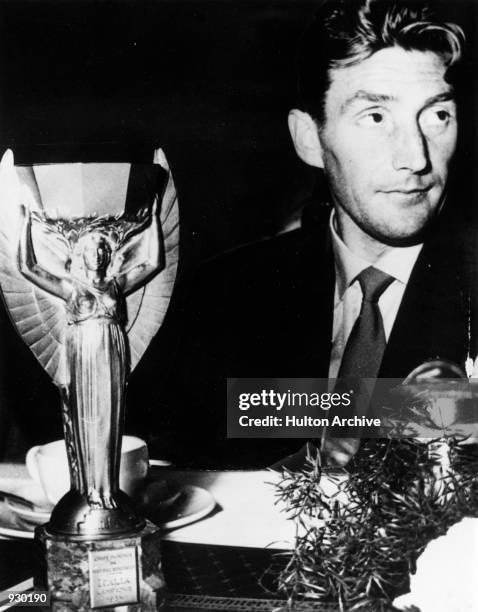
フリッツ・ヴァルターは、ドイツのサッカー史上最高の選手の一人と広く見なされ、国民的英雄である。攻撃的ミッドフィールダー兼インサイドフォワードとして、卓越した視野、創造性、リーダーシップで知られ、西ドイツを1954年のワールドカップ初優勝に導いた。この勝利は「ベルンの奇跡」として知られ、戦争から立ち直ろうとする国にとって深い意味を持った。ヴァルターは22年間のシニアキャリアの全てを1.FCカイザースラウテルンで過ごし、稀有な忠誠心で愛されるワンクラブマンとなった。代表では61キャップ33得点を記録し、後に名誉主将に任命された。彼の遺産は統計を超えて広がる:「フリッツ・ヴァルター・ウェザー」という言葉はドイツ語の語彙に加わり、フリッツ・ヴァルター・メダルは毎年ドイツの最優秀若手選手に授与される。ヴァルターは2002年に死去したが、ドイツサッカーの礎としての地位は今も続いている。
生い立ちと背景
フリッツ・ヴァルターはカイザースラウテルンで、ホテルとレストランで働く父ルートヴィヒ・ヴァルターと母ドロテアの5人兄弟の次男として生まれた。労働者階級の地区で育ち、早くからサッカーに情熱を注ぎ、路上でボロ布のボールを使って遊んだ。1928年、8歳で1.FCカイザースラウテルンのユースシステムに入団し、その才能はすぐに際立った。地元の国民学校に通い、後に自動車整備士の見習いを修了したが、サッカーが彼の中心であり続けた。兄のルートヴィヒもプロサッカー選手となり、弟のオットマーとゲルトも様々なレベルでプレーした。ヴァルターは1937年、17歳でトップチームデビューを果たしたが、名声への道は第二次世界大戦によって中断された。ドイツ軍に従軍し、1945年にアメリカ軍の捕虜となった。彼はボール技術を披露して捕虜収容所から解放され、カイザースラウテルンに戻ってキャリアを再開した。
キャリアの歩み
ヴァルターは1940年7月14日、ルーマニア戦でハットトリックを達成し、9-3の勝利で代表デビューを果たした。戦後、1.FCカイザースラウテルンに復帰し、1951年と1953年にドイツ選手権を制した。彼の最大の功績は、西ドイツ代表主将として臨んだ1954年のスイスワールドカップである。1954年7月4日、ベルンで、彼のチームは圧倒的に有利とされたハンガリーの黄金のチームを決勝で3-2で破り、この試合は永遠に「ベルンの奇跡」として知られる。ヴァルターのリーダーシップとプレイメイクが重要な役割を果たした。1958年のワールドカップでは西ドイツを4位に導き、最後の代表ゴールを決めた。ヴァルターは1959年、38歳で現役を引退し、シニアキャリアの全てをカイザースラウテルンで過ごした。1960年から1962年まで短期間クラブを監督した。1954年、初のドイツ年間最優秀選手賞を受賞。1958年にはドイツ代表の名誉主将に任命された。
キャリア年表
公的イメージとスタイル
ヴァルターは「シュピールマッハー」として知られ、創造的で優雅なプレイメーカーであり、並外れた視野と謙虚な態度を持っていた。ドイツでは国民的英雄、戦後復興の象徴として描かれ、しばしば謙虚で忠実と評される。ファンは毎年7月4日、フリッツ・ヴァルター・シュタディオン前の彼の銅像に集まり、1954年の決勝戦を記念する。「フリッツ・ヴァルター・ウェザー」という言葉は雨の試合の際に称賛される。クラブのサポーター「ベッツェ・ファン」は彼を深く敬愛している。
名声とファンダム (iFAMOUS Rankings)
The enduring reverence for Fritz Walter is distinct not because of a dedicated, named fan club, but through the seamless integration of his memory into the identity of 1. FC Kaiserslautern itself. His supporters, known as the Betze-Fans or Die Roten Teufel, treat him less as a distant icon and more as the spiritual founder of their community, maintaining a bond forged in post-war humility rather than modern celebrity culture. This relationship is institutionalized annually through the presentation of the Fritz Walter Medal to Germany's top youth talents, ensuring his name remains a living touchstone for new generations of players and fans alike. Rituals like gathering at his statue on July 4 to commemorate the Miracle of Bern reflect a deep, personal connection where he is remembered as a man who walked the streets of Kaiserslautern playing with local children rather than hiding behind celebrity walls. While no formal fandom name exists specifically for him, the collective devotion of the city ensures his legacy thrives without needing organized campaigns or digital movements. Despite this massive cultural footprint, iFANN's Global Fame Engine has evaluated his current standing and determined that he does not hold a placement in the published rankings, meaning he currently lacks a specific numeric rank within the Global Top 1,000 or any Top-100 scope list.
興味深い事実と伝説
Walter's older brother Ludwig also played for Kaiserslautern and was part of the 1951 championship team. He never competed in the Bundesliga, which launched four years after his retirement. Following his football career, he operated a petrol station and later a restaurant in Kaiserslautern. His funeral in 2002 attracted thousands, including fellow German football legends. The phrase "Fritz Walter weather" remains a recognized German expression for cold, rainy conditions. The Fritz Walter Medal, established in 2005, honors the best young German footballers each year. Fans still retell the story of the Miracle of Bern, where Walter captained West Germany to a stunning 3–2 victory over Hungary, scoring the opening goal in a match that symbolized national resurrection. Another central legend involves his absolute loyalty to Kaiserslautern; despite lucrative offers from giants like Real Madrid and AC Milan, he refused to leave his hometown, winning championships in 1951 and 1953. This unwavering commitment cemented his image as a figure of integrity during an era when players began moving internationally. Additionally, his wartime service and recovery from severe leg injuries are often cited as a narrative of resilience that mirrored the struggle of the German people.
注目の発言
“The goal was not just a victory for German football. It was a victory for the whole of Germany.”
“I never thought about playing for another club. Kaiserslautern was my home, my family, my life.”
“We didn't play for money. We played for the love of the game and for our country.”
“The Hungarians were the better team. But we had something they didn't have: the belief that we could win.”
家族と私生活
ヴァルターは第二次世界大戦中に出会ったイタリア人女性、イタリア・フリッツと1942年頃に結婚した。結婚生活は53年間続き、1995年に彼女が亡くなるまで続いた。子供はいなかった。兄のルートヴィヒはカイザースラウテルンで共にプレーし、弟のオットマーも同クラブと代表チームでプレーした。両親はルートヴィヒとドロテア・ヴァルター。引退後はカイザースラウテルンで質素に暮らした。
注目の関係
ワルターの代表チームの監督であるセップ・ヘルベルガーは親しい mentor でした。チームメイトには、1954年の決勝で決勝ゴールを決めたヘルムート・ラーン、ゴールキーパーのトニ・トゥレック、そしてそのチームの最後の生存者であるホルスト・エッケルがいました。兄のルートヴィヒと弟のオットマーもカイザースラウテルンでプレーしました。ドイツの伝説的存在であるウーヴェ・ゼーラーは友人でした。
恋愛関係と交際歴
ワルターの恋愛生活は驚くほど安定していました。彼は第二次世界大戦中に出会ったイタリア人女性、イタリア・フリッツと1942年頃に結婚しました。二人は1995年に彼女が亡くなるまで一緒に過ごし、53年間の結婚生活でした。子供はいませんでした。イタリアの死後、ワルターは再婚せず、人生の最後の7年間を独身で過ごしました。彼女が彼の唯一知られている恋愛相手でした。
- 既婚Italia Walter1942 - 1995第二次世界大戦中に出会い、1942年頃に結婚。1995年に彼女が亡くなるまで一緒にいた。子供なし。
死去とその後
死没
June 17, 2002 (81歳没)
死没地
Alsenborn, Rhineland-Palatinate, Germany
死因
不明
The passing of Fritz Walter sent a wave of profound grief across Germany, instantly transforming the nation's football landscape into a space of collective mourning. Tributes poured in from peers and institutions alike, with the German Football Association and 1. FC Kaiserslautern issuing statements that honored his legacy as the first player inducted into Germany's Hall of Fame. Fans gathered at the Fritz-Walter-Stadion in Kaiserslautern for moments of silence, while thousands attended a large public funeral in the city alongside former teammates and dignitaries including then-German President Johannes Rau. Walter died on June 17, 2002, at the age of 81 in Alsenborn, a municipality within the district of Kaiserslautern in Rhineland-Palatinate.
The circumstances surrounding his final days were described simply as a natural passing at his home or a local facility. Following the service held shortly after his death, Walter was laid to rest in the St. Johann Cemetery in Kaiserslautern. His estate was handled by his family without public financial disclosure, but his influence has been solidified through enduring honors. The stadium of 1. FC Kaiserslautern bears his name, and the DFB continues to present the annual Fritz Walter Medals to young German talents, ensuring his name remains central to the country's football culture.
総資産(遺産評価額)
$6 Million
iFANN編集チームによる推定
iFANN currently estimates Fritz Walter's estate at $6 Million as of 2026. The primary sources include posthumous licensing of his name and image through the Fritz Walter Foundation, which uses proceeds for youth football development. The DFB pays licensing fees for the Fritz Walter Medal. Book royalties from his autobiography and biographies continue to generate income. The naming rights to the Fritz-Walter-Stadion add ongoing recognition value. At his death in 2002, the estate was reported at €3-4 million, which has grown through careful management and inflation-adjusted licensing.
受賞 (5)
ワルターの最大の功績は、西ドイツ代表のキャプテンとして1954年のFIFAワールドカップで優勝したことです。また、カイザースラウテルンと共に1951年と1953年にドイツサッカー選手権で優勝しました。個人としては、1954年に初代ドイツ年間最優秀選手に選ばれ、1994年にFIFA功労賞を受賞しました。
1994 · FIFA最高の栄誉
Career achievements
1954 · 個人
1954 season
代表作
1954 FIFA World Cup
1954 · Captain of West Germany
1. FC Kaiserslautern
1937-1959 · Player (one-club career)
German Football Championship
1951 · 受賞者
German Football Championship
1953 · 受賞者
キーワード
クイック情報
- 職業
- association football player, association football coach, athlete
- 生年月日
- +1920-10-31
- 出生地
- Kaiserslautern
- 死没
- +2002-06-17
- 死没地
- Enkenbach-Alsenborn
- 性別
- 男性
- 配偶者
- Italia Walter
- 星座
- Scorpio
個人情報
- 本名
- Friedrich Walter
- 身長
- 5 ft 9 in (175 cm)
- 配偶者
- Italia Walter
- 学歴
- Volksschule (elementary school); apprenticeship as a motor mechanic
よくある質問
フリッツ・ワルターの死去時の総資産はいくらですか?
フリッツ・ワルターには子供がいましたか?
なぜフリッツ・ワルター・ウェザーと呼ばれるのですか?
フリッツ・ワルターの妻は誰ですか?
フリッツ・ワルターはドイツ代表で何ゴールを挙げましたか?
ソーシャルメディア
似た人物
コミュニティに参加
人のファンが話題に