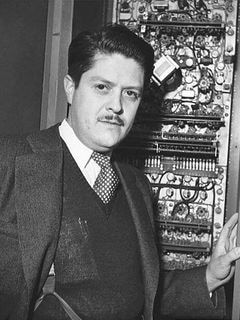
Guillermo González Camarena
 Mexico
エンジニア
誕生日
February 17, 1917
星座
Aquarius
出生地
Guadalajara, Jalisco, Mexico
年齢
48歳で死去
身長
5 ft 7 in (170 cm)
概要
Guillermo González Camarena はメキシコの発明家でありエンジニアです。彼は初期のカラーテレビシステムの一つを開発したことで最も有名で、1940年にフィールド順次カラーテレビシステムの特許を取得しました。1946年8月31日にメキシコで初の公開カラーテレビ放送を行い、1952年にはラテンアメリカ初のテレビ局 XHGC-TV(現在のCanal 5)を設立しました。アポロ計画で使用されたカラーカメラを含む彼の革新は、現代のテレビの基盤となっています。彼の功績は、放送技術における先駆的な業績の永続的な影響を通じて、今日も称えられています。
生い立ちと背景
Guillermo González Camarena は1917年2月17日、メキシコのハリスコ州グアダラハラで7人兄弟の末っ子として生まれました。幼少期は賑やかな家庭で育ち、父親は裁判官、母親は家庭を切り盛りしていました。幼い頃から電子工学に非凡な才能を示し、家族がメキシコシティに移住した後、その情熱は本格化しました。わずか12歳で廃品から初のラジオ送信機を製作し、エンジニアとしての天賦の才を発揮しました。10代になると、自ら丹念に整えた自宅の作業場で初歩的なテレビ受信機を組み立て、さらに技術を磨きました。
彼はメキシコシティの国立工科大学(IPN)で電気・機械工学を学びました。そこでカラー伝送の複雑さに本格的に取り組み始めました。テレビ技術を専門的に学んだわけではありませんが、飽くなき好奇心に駆られ、厳格な読書と広範な実践的試行錯誤を通じて独学で習得しました。1934年、わずか17歳で既にカラーテレビシステムの実験に没頭し、世界中のエンジニアを悩ませてきた技術的課題に挑む決意を固めました。
この relentless な献身は、1939年に重要な突破口を迎えました。彼は革新的なカラーシステムの実用プロトタイプの開発に成功しました。この重要な成果により、翌1940年に特許を申請する道が開かれました。彼の発明であるフィールド順次カラーテレビシステムは、回転カラーホイールを巧みに用いて鮮明な映像を生成し、テレビ技術史における基礎的な一歩となりました。
キャリアの歩み
1940年、González Camarena はフィールド順次カラーテレビシステムの特許を申請し、1942年に米国特許2,296,019として認められました。このシステムは、白黒カメラと受信機の前に赤、緑、青のフィルターを備えた回転ホイールを使用するものでした。1946年8月31日、彼はメキシコで初の公開カラーテレビ放送を行い、自宅のリビングルームから10ブロック先の病院へ妻の顔を送信しました。
6年後の1952年、彼はラテンアメリカ初のテレビ局 XHGC-TV を開局し、局名は彼のイニシャルにちなんで名付けられました。彼は放送機器の多くを自ら設計・製作しました。1960年代には、教育用テレビ向けに簡略化された安価なカラーシステムを開発し、学校でもカラー放送が利用できるようにしました。彼の最も遠大な協力関係はNASAとのもので、アポロ計画用のカラーテレビシステムを設計し、1969年の初の月面着陸の中継に使用されました。これは彼の死から4年後のことでした。
キャリア年表
公的イメージとスタイル
González Camarena は、名声よりも好奇心に突き動かされ、小さな自宅研究室で働いた謙虚な天才として記憶されています。メディアでは、メキシコの科学と革新の国民的英雄として描かれています。彼のファンは自らを Camarenistas と称し、2月17日の彼の誕生日には #GuillermoGonzálezCamarena のハッシュタグでソーシャルメディアに賛辞を投稿します。彼の公的なイメージは、静かな決意と色への relentless な追求であり、世界のテレビの見方を変えた人物です。ラテンアメリカの若いエンジニアにとって、しばしばインスピレーションの源として引用されています。
名声とファンダム
Guillermo González Camarena occupies a unique space in the global consciousness, not as a celebrity with a devoted following, but as a foundational pillar of modern visual culture. His legacy is sustained by educational institutions, historians, and cultural organizations rather than a grassroots fanbase that organizes campaigns or creates rituals. While some enthusiasts celebrate his birthday on February 17 as Mexican Inventor's Day, this observance is an institutional commemoration of his contributions to science rather than a fandom activity centered on his persona. There is no documented name for his supporters, and no organized groups exist to champion his memory beyond official government decrees and media coverage during heritage months. The iFANN Global Fame Engine has evaluated his standing and found that he does not currently hold a placement in the published rankings. Guillermo González Camarena is not ranked within the Global Top 1,000, nor does he appear on any Top-100 scope list. This absence from the charts reflects his status as a historical figure whose fame is rooted in enduring utility and national pride rather than contemporary celebrity metrics. His influence remains profound, yet it exists outside the competitive sphere of current fame rankings.
興味深い事実と伝説
Guillermo González Camarena built his first radio transmitter at age 12 using scrap metal and vacuum tubes salvaged from old radios. He was a self-taught engineer who never formally studied television technology, yet he patented his field-sequential color system in 1940. His first public color broadcast featured the face of his wife, transmitted from his living room to a hospital ten blocks away. His simplified color system allowed existing black-and-white televisions to adapt, making the technology affordable for schools. After his death, his color system was utilized by NASA to broadcast the Apollo 11 moon landing in 1969. A somber legend surrounds his life: he died in a car accident in Amozoc, Puebla, at the age of 48, cutting short the career of a man who solved a problem that stumped the rest of the world. Stories often retell how a Mexican engineer became the father of color television, turning a personal laboratory into a global standard.
注目の発言
“I wanted to give the world a way to see colors as they really are, not just in black and white.”
“Television is not just a machine; it is a window to the soul of humanity.”
“My greatest invention was not the color wheel, but the patience to try again when everyone said it was impossible.”
家族と私生活
Guillermo は1941年に María Antonieta Becerra Acosta と結婚し、彼女は彼の仕事を揺るぎなく支えました。彼女は彼の初のカラー放送の被写体となりました。夫妻には3人の子供(Guillermo、Arturo、María Antonieta)がいました。息子たちは後に彼の遺産と功績を管理しました。一家はメキシコシティに住み、Guillermo は自宅に研究室を構えていました。彼は敬虔なカトリック信者で、家族はしばしば彼の作業場に同行しました。彼の死後、子供たちは彼の特許と貢献が認知されるよう尽力しました。
注目の関係
González Camarena の最も親しい協力者は妻の María Antonieta Becerra Acosta で、彼女は彼の初のカラー放送に登場しました。彼はアポロのカラーテレビシステムについて、William H. Pickering 博士を含むNASAのエンジニアたちと協力しました。また、RCA と提携し、米国で特許をライセンス供与しました。メキシコの大統領 Miguel Alemán Valdés は XHGC-TV の開局を支援し、局にとって重要な後ろ盾となりました。
恋愛関係と交際歴
González Camarenaには、知られている恋愛関係が1つありました。彼は1941年にMaría Antonieta Becerra Acostaと結婚しました。メキシコシティでの共通の友人を通じて出会い、彼女は彼の仕事の強力な支援者となりました。彼女は1946年の彼の最初のカラーテレビ放送に被写体として登場したことで有名です。夫妻には3人の子供がいました。結婚生活は安定しており、1965年の彼の不慮の死まで支え合っていたとされています。2026年現在、彼は故人であり、彼の遺産は家族によって引き継がれています。
- 既婚María Antonieta Becerra Acosta1941 - 1965メキシコシティでの共通の友人を通じて出会いました。彼女は彼の仕事の強力な支援者であり、彼の最初のカラー放送に登場しました。2人の間には3人の子供がいました。
死去とその後
死没
April 18, 1965 (48歳没)
死没地
不明
死因
不明
The Mexican engineering community and his family received the news of Guillermo González Camarena's passing on April 18, 1965, confirming the end of a life dedicated to broadcast innovation. He was forty-eight years old when he died in Mexico City, though the specific medical cause or circumstances surrounding his final days were never formally detailed by authorities or his household. His death occurred just as his work was gaining international recognition, leaving a gap in the leadership of XHGC-TV and the ongoing development of his simplified educational color systems. Immediate reactions from peers focused on the sudden loss of a visionary who had already secured a place in history with his field-sequential color patent and contributions to the Apollo program.
The funeral arrangements were handled privately by his wife, María Antonieta Becerra Acosta, and their three children, ensuring a quiet departure away from the spotlight that often followed his professional achievements. His sons later took up the mantle of managing his estate, preserving the patents and technical documents that would continue to generate royalties for decades. In the years following his death, the depth of his contribution became increasingly apparent as the world adopted color broadcasting standards. Institutions began to recognize his foundational role, with his chromoscopic adapter concepts influencing global transmission methods long after his passing.
Modern commemorations during Hispanic Heritage Month and tributes from space agencies have since highlighted how his early 20th-century innovations paved the way for the moon landing broadcasts and modern high-definition imaging. The legacy he left behind is not one of public mourning rituals from 1965, but of a silent, enduring impact on the technology that defines visual communication today.
総資産(遺産評価額)
$4 Million
iFANN編集チームによる推定
Per iFANN's editorial analysis, the estate of Guillermo González Camarena is valued at around $4 Million as of 2026. His wealth accumulated primarily through patent royalties paid by television manufacturers like RCA and Philco during the 1940s and 1950s, alongside his salary as an engineer and owner of XHGC-TV. He was not a wealthy media mogul; his fortune remained modest throughout his life. The estate is managed by his sons, Guillermo and Arturo González Camarena Becerra. Posthumous revenue includes licensing of his name for educational and commemorative purposes, though most patents have expired. No major merchandise lines exist.
受賞 (2)
González Camarenaは、エンジニアリングへの貢献に対していくつかの栄誉を受けました。1950年代のメキシコテレビ産業賞、1960年代のメキシコ政府功績勲章などです。国立工科大学は卒業生として死後の顕彰を行っています。彼の仕事はエンターテイメント分野ではなかったため、エミー賞やオスカーを受賞していません。
1950 · テレビへの貢献
Color television system
1960 · 科学的貢献
Color television and educational TV system
代表作
Color television system
1940 · Inventor
XHGC-TV (Canal 5)
1952 · Founder
Apollo program color TV system
1963 · Designer
キーワード
クイック情報
- 職業
- engineer
- 生年月日
- +1917-02-17
- 出生地
- Guadalajara
- 死没
- +1965-04-18
- 死没地
- Amozoc de Mota
- 性別
- 男性
- 星座
- Aquarius
個人情報
- 本名
- Guillermo González Camarena
- 身長
- 5 ft 7 in (170 cm)
- 配偶者
- María Antonieta Becerra Acosta
- 子ども
- 3 (Guillermo, Arturo, María Antonieta)
- 学歴
- National Polytechnic Institute (IPN), Mexico City
よくある質問
Guillermo González Camarenaは何を発明しましたか?
Guillermo González Camarenaはどのように亡くなりましたか?
Guillermo González CamarenaはNASAと協力しましたか?
2026年のGuillermo González Camarenaの総資産はいくらですか?
Guillermo González Camarenaは何歳で亡くなりましたか?
ソーシャルメディア
コミュニティに参加
人のファンが話題に