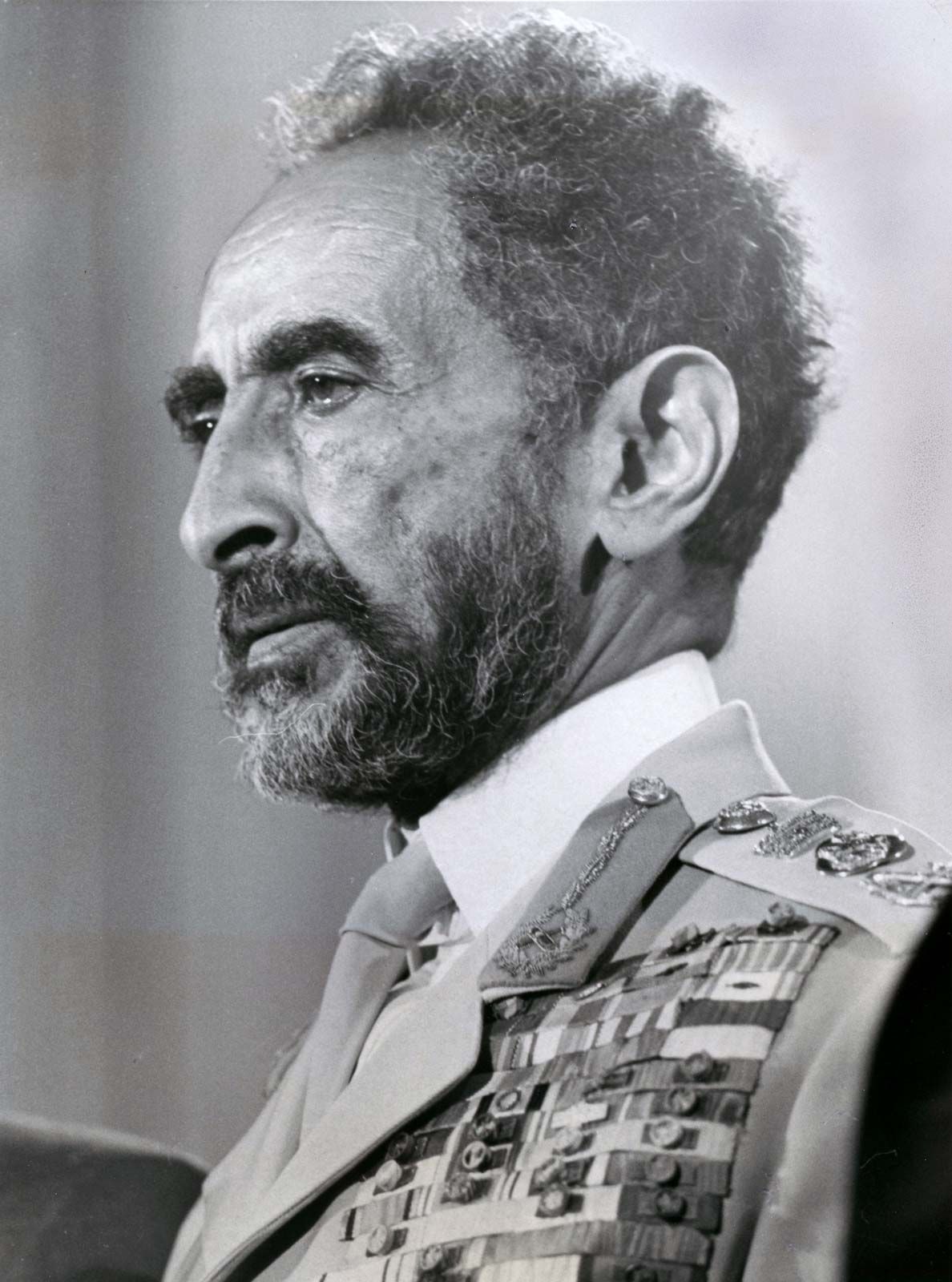
Haile Selassie I
 Ethiopia
Emperor of Ethiopia•politician•monarch
Also known as: Ras Tafari Makonnen, Lion of Judah, Emperor Haile Selassie I
誕生日
July 23, 1892
星座
Leo
出生地
Ejersa Goro, Harar Region, Ethiopia
年齢
83歳で死去
身長
5 ft 6 in (168 cm)
概要
Haile Selassie I was the former Emperor of Ethiopia, a global symbol of African independence and the central figure of the Rastafari movement. Crowned in 1930, he ruled for 44 years before being overthrown in 1974. His reign transformed Ethiopia through modernization efforts, including the country's first written constitution, the abolition of slavery, and the establishment of diplomatic ties worldwide. Selassie remains one of the most iconic leaders of the 20th century, admired for his defiance against fascist Italy and his role in founding the Organisation of African Unity. Today, his legacy lives on through Rastafari, which reveres him as a messianic figure, and through his enduring influence on Pan-Africanism. His life story continues to inspire documentaries, books, and discussions about leadership and decolonization.
生い立ちと背景
ハイレ・セラシエは、1892年7月23日、エチオピアのハラール地方にあるエジェルサ・ゴロ村で、タファリ・マコンネンとして生まれた。父ラス・マコンネンはハラールの総督であり、皇帝メネリク2世の信頼のおける従兄弟であった。母イェシメベト・アリはアムハラ・ウォロ貴族出身の貴婦人であった。タファリはエチオピア正教会で洗礼を受け、ゲエズ語の典礼やアムハラ語文学を学び、軍事訓練も受けるという伝統的な教育を受けた。13歳のとき、メネリク2世によりデジャズマチ(門の司令官に相当する軍階級)に任命された。父は1906年に死去し、タファリは叔父、後に皇帝自身の後見下に置かれた。彼はアディスアベバのメネリク2世学校(エチオピア初の近代学校の一つ)に通い、フランス語を学び、西洋の思想に触れた。日本の明治維新に深く影響を受け、近代化をアフリカの力への道と見なした。1907年、わずか15歳でガラ・ムレタの総督に任命された。3年後、重要な州であるハラールの総督となった。メネリクの死後の権力闘争では、ショア貴族側につき、1916年に廃位された皇帝イヤス5世に対抗した。同年、ゼウディトゥ女帝の即位に尽力し、全権摂政兼皇太子に任命された。その後14年間、事実上帝国を統治し、行政の近代化、欧州列強との外交関係の樹立、1923年の国際連盟への加盟を実現した。1924年には、エチオピアの統治者として初めて、イギリス、フランス、イタリア、ベルギーを含むヨーロッパを歴訪し、軍事、教育、インフラシステムを研究した。1930年3月31日のアンチェムの戦いで、敵対するラス・ググサ・ウェレ・ビトゥルを破り、王位への道を開いた。
キャリアの歩み
ハイレ・セラシエは1930年11月2日、アディスアベバの聖ジョージ大聖堂で戴冠式を行い、世界中のメディアが注目するイベントとなった。1931年、エチオピア初の成文憲法を制定し、二院制議会を設置しながら権力を集中させた。第二次イタリア・エチオピア戦争は1935年に始まり、セラシエは1936年3月のマイチョウの戦いで自ら軍を指揮した。敗北後、1936年5月から1941年1月までイギリスのバースに亡命した。1936年6月30日、ジュネーブの国際連盟で歴史的な演説を行い、「今日は我々の番です。明日はあなた方の番になるでしょう」と警告し、ファシズムに対する結束を呼びかけた。1941年1月、英埃領スーダンから帰還し、エチオピアのゲリラ部隊(アルベグノチ)とイギリス軍を調整し、1941年5月5日にアディスアベバに再入城した。この日は現在、解放記念日として祝われている。1942年、奴隷制度を正式に廃止した。1950年、エリトリアのエチオピアへの連邦制を監督した。1955年、議会代表権を拡大する改正憲法を公布した。1963年5月25日、アディスアベバでアフリカ統一機構(OAU)の初会合を主催し、初代議長に就任した。穏健なパン・アフリカ主義を提唱し、クワメ・エンクルマとしばしば対立した。しかし、晩年は独裁的政治、土地の不平等、1973年のウォロ飢饉(政府は当初否定)に対する批判が高まった。1974年9月12日、マルクス主義の軍事政権であるデルグにより打倒され、ジュビリー宮殿で自宅軟禁下に置かれた。
キャリア年表
公的イメージとスタイル
ハイレ・セラシエは、王族の威厳と近代化のリーダーというイメージを醸成し、軍服や流れるようなローブをまとい、特徴的な整えられたあごひげと鋭い眼差しで知られていた。彼の公的な人物像は、賢明で慈愛に満ちた家長であり、植民地大国に立ち向かった『ユダの獅子』であった。国際的には、特に国際連盟での演説後、政治家でありアフリカの自由の象徴として称賛された。しかし、エチオピア国内では、1973年の飢饉の際に民衆の苦しみから乖離した独裁者と見なされるなど、時とともにそのイメージは複雑化した。ラスタファリ運動では、彼は政治的な遺産を超越した存在として、生ける神ヤハとして崇拝されている。今日、彼のソーシャルメディア上の存在はファンアカウントによって維持されており、InstagramやFacebookで多くのフォロワーを持ち、精神的アイコンおよび歴史的人物として称賛されている。彼の演説、特に1963年のOAUでの演説は広く共有され引用されている。
名声とファンダム
Haile Selassie I stands as a towering figure of 20th-century history, yet iFANN's Global Fame Engine has evaluated him and found that he does not currently hold a placement in the published rankings (Global Top 1,000 or a Top-100 scope list). He is not currently ranked among the world's most famous individuals in the database, a neutral status that reflects his transition from active global statesman to a subject of deep religious veneration rather than secular celebrity. His influence does not flow through modern fan clubs or commercial campaigns but resides entirely within the Rastafari movement, a global community that reveres him as a messianic figure without assigning their group a formal fandom name beyond "Rasta." This devotion manifests not in chart-topping singles or viral marketing pushes but in sacred rituals like Grounation Day, which commemorates his 1966 visit to Jamaica with processions and drumming that draw thousands. The movement treats his arrival in Kingston as a divine fulfillment of prophecy, creating a legacy where historical facts blend seamlessly with theological belief. While he never engaged with fans in the contemporary sense, his 1936 address to the League of Nations remains a defining moment of moral authority that cemented his status as a symbol of resistance against colonial oppression. The community honors him through annual observances on his birthday and during memorial advocacy efforts, seeking to preserve sites linked to his life as heritage landmarks. These actions function as the closest equivalent to organized fan projects, focusing on historical preservation rather than commercial promotion. His image persists as one of regal dignity and spiritual power, transcending the metrics used to measure modern fame.
興味深い事実と伝説
Born Tafari Makonnen, his name became the root of the term 'Rastafari,' though he remained a devout Ethiopian Orthodox Christian who never claimed divinity himself. He kept a personal collection of lions at the Imperial Palace to embody his title 'Lion of Judah.' His autobiography, 'My Life and Ethiopia's Progress,' was penned in Amharic and released posthumously in 1976. A keen photographer, he documented his travels extensively throughout his reign. His beloved dog, Lulu, often attended official functions and even possessed a custom-made miniature throne. Legends surrounding him are anchored in verified events that took on mythic weight. The story of his 1966 visit to Jamaica describes crowds shutting down streets in an electric, messianic atmosphere where thousands gathered to see him, an event that solidified the Rastafari identity. Another pivotal narrative centers on his 1936 speech to the League of Nations, where he pleaded for justice against Italian aggression, a moment now viewed as a prophetic declaration of African dignity. Folklore also highlights his humanitarian acts, such as taking in Armenian orphans after the genocide and educating them in a band, reinforcing his image as a righteous king. His role in founding the Organisation of African Unity in 1963 further cements his reputation as a Pan-Africanist leader whose strategic importance continues to be discussed in geopolitical circles.
注目の発言
“It is us today. It will be you tomorrow.”
“Throughout history, it has been the inaction of those who could have acted, the indifference of those who should have known better, that made the triumph of evil possible.”
“We must become members of a new race, overcoming petty prejudice, owing our ultimate allegiance not to nations but to our fellow men within the human community.”
“A people free to choose will always choose peace.”
“Until the philosophy which holds one race superior and another inferior is finally and permanently discredited and abandoned, everywhere is war.”
家族と私生活
ハイレ・セラシエは、ハラール総督で皇帝メネリク2世の従兄弟であるラス・マコンネン・ウォルデミカエル・グデッサと、アムハラ・ウォロ貴族出身の貴婦人イェシメベト・アリ・アバ・ジファルの間に生まれた。父は1906年に死去し、母は彼が幼い頃に亡くなった。デジャズマチ・イルマ・マコンネンを含む数人の兄弟姉妹がいた。1911年、アンバセルのデジャズマチ・アスファウの娘でゼウディトゥ女帝の姪にあたるメネン・アスファウと結婚した。この結婚は彼の政治的立場を強化するために取り決められたものであった。メネンは1930年に皇后として戴冠し、敬虔な正教会信者で慈善活動を支援した。2人の間には6人の子供がいた:ロマヌワーク王女(1911-1941、イタリアの捕虜として死去)、テナグヌワーク王女(1912-2003)、アスファ・ウォッセン皇太子(1916-1997、後に亡命皇帝アムハ・セラシエ1世)、ゼネブワーク王女(1917-1934、夭折)、ツェハイ王女(1919-1942、産褥死)、マコンネン王子(1923-1957、自動車事故で死去)。メネンが1962年に死去した後、セラシエは再婚しなかった。彼の遺産はハイレ・セラシエ家族信託によって管理され、孫のエルミアス・サフレ・セラシエ王子が積極的にその遺産を保存している。
注目の関係
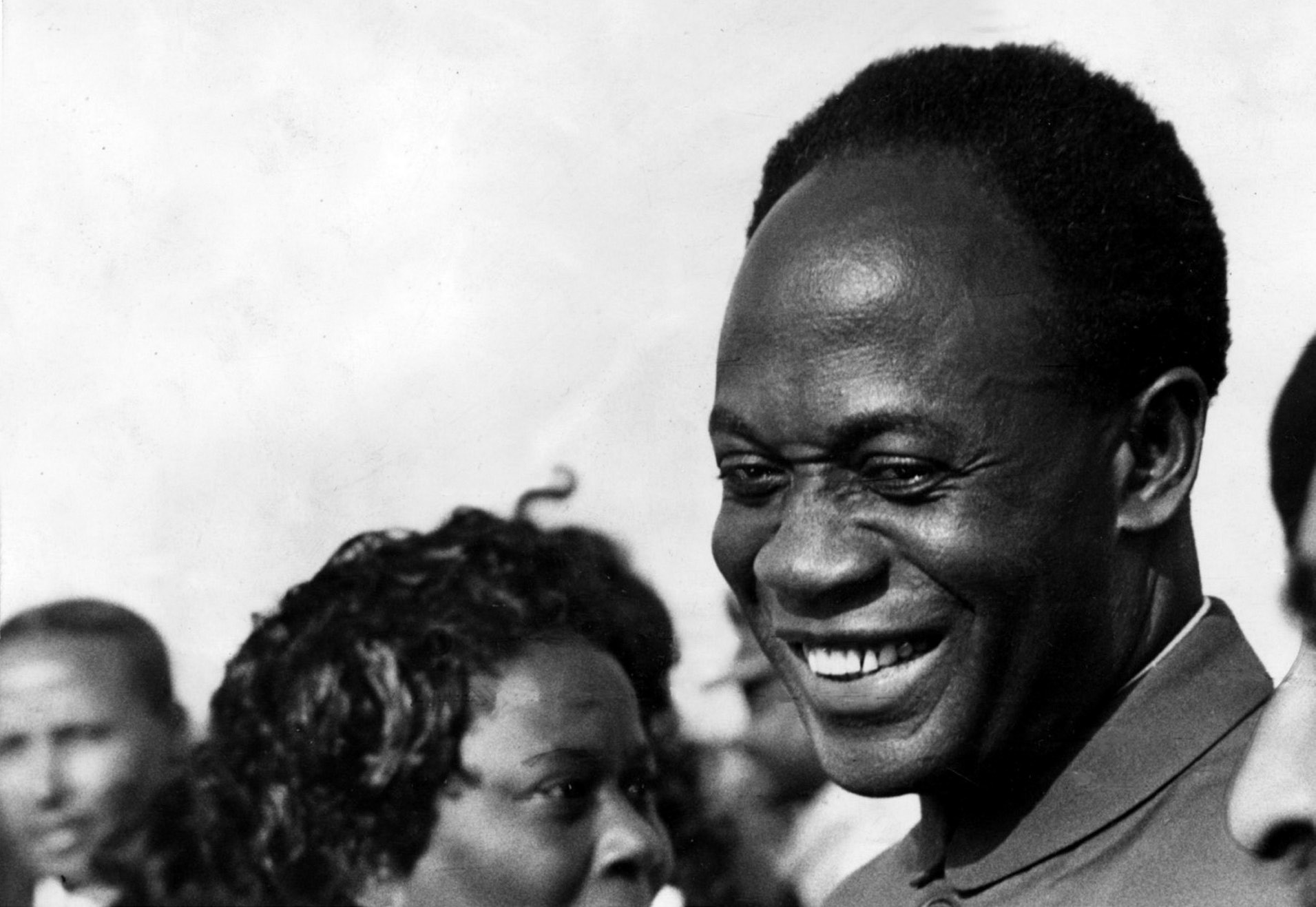
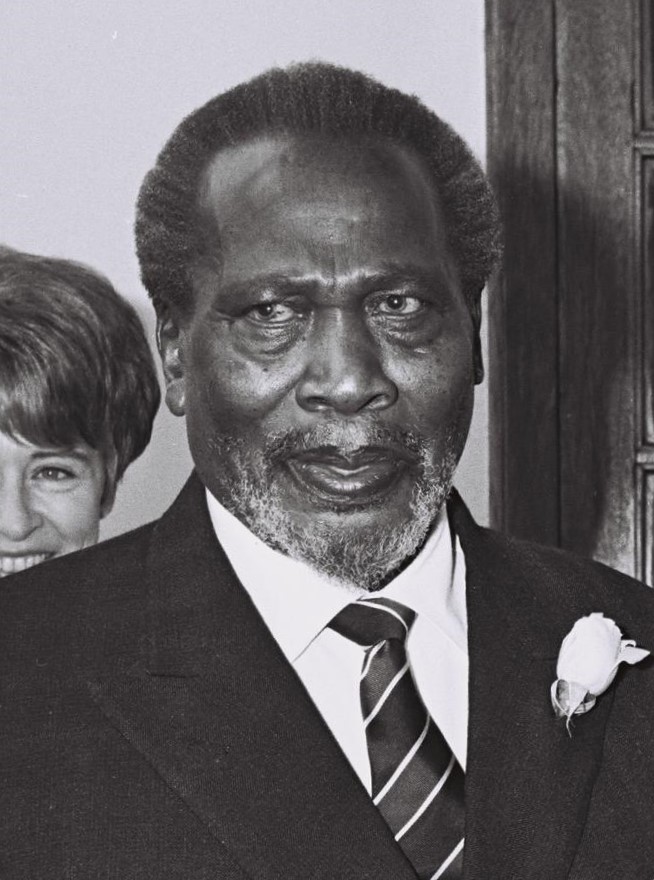
ハイレ・セラシエは、1930年代にジャマイカで生まれ、彼を戻ってきたメシアとして崇拝するラスタファリ運動と密接に関連していた。また、クワメ・エンクルマやジョモ・ケニヤッタなどの指導者と協力し、パン・アフリカ主義の重要人物でもあった。イギリスとの関係は特に重要であり、特にバースでの亡命中に顕著であった。彼はフランクリン・D・ルーズベルト、ウィンストン・チャーチル、ジョン・F・ケネディなど、多くの世界の指導者と外交関係を持っていた。
恋愛関係と交際歴
ハイレ・セラシエは1911年から1962年2月15日にメネン・アスファウが亡くなるまで結婚していた。この結婚は彼の政治的立場を強化するための政略結婚であり、メネンはアンバセルのデジャズマチ・アスファウの娘であり、女帝ザウディトゥの姪であった。彼女は1930年に皇后として戴冠し、慈善活動を支援する敬虔な正教会信者であった。2人の間には6人の子供がいた。婚外関係や不倫の信頼できる記録はない。セラシエはメネンの死後も再婚せず、1975年の死去時も独身であった。
- 既婚Menen Asfaw1911 - 1962政治的立場を強化するための政略結婚。彼女は1930年に皇后として戴冠した。
死去とその後
死没
August 27, 1975 (83歳没)
死没地
Addis Ababa
死因
Reported respiratory failure from prostate infection and heart failure
The global Rastafari community responded to the news with immediate, profound grief, treating the event as a spiritual crisis rather than a mere political transition. Vigils erupted in Jamaica and beyond, solidifying the Emperor's status as a messianic figure known as Jah, even as the Ethiopian government under the Derg regime strictly suppressed any open mourning within the country itself. The new Marxist-Leninist administration erased his name from public discourse and banned any official tributes, leaving the world's admiration for Haile Selassie I to simmer beneath a veil of secrecy. On August 27, 1975, the 225th and final Emperor of Ethiopia passed away at the Red Cross Hospital in Addis Ababa while held under house arrest by the military junta that had overthrown him nearly a year earlier.
While the official narrative attributed his death to respiratory failure stemming from complications of a prostate infection and heart failure, this account remained unsubstantiated by an independent medical examiner or autopsy report released to the public. Widespread rumors and later testimonies suggested he may have been suffocated with a pillow or strangled by soldiers, yet these conflicting narratives persisted because the regime prevented any external investigation or verification of the body's condition. Following his death, the initial burial took place in secret within an unmarked grave on the palace grounds, attended only by a handful of loyalists to prevent the formation of a martyrdom site. It was not until 1992 that the new Ethiopian government ordered the exhumation of his remains, leading to a private reburial ceremony at the Holy Trinity Cathedral in Addis Ababa on November 5, 1992.
This service, attended by family members including Prince Asfaw Wossen and religious leaders, marked the first public acknowledgment of his resting place since his passing. Posthumously, Haile Selassie I became the subject of numerous books, documentaries, and films exploring his life and role in Rastafarian theology, including works like Haile Selassie: The Man, the Myth, the Legacy . His estate was handled privately by his descendants following the 1992 reburial, while institutions like the Haile Selassie I Memorial Foundation dedicated scholarships to African unity and human rights.
総資産(遺産評価額)
ハイレ・セラシエの死去時の個人の総資産は公に記録されていない。彼の富はエチオピア帝国の国庫と密接に結びついており、1974年にデルグに没収された。現在、彼の遺産はハイレ・セラシエ家族信託とエチオピア正教会テワヘド教会によって管理されている。収入源には、自伝『我が生涯とエチオピアの進歩』の印税、彼の肖像と名前の商用・教育目的でのライセンス、ラスタファリ関連の商品が含まれる。遺産の正確な価値は非公開だが、かつての帝国所有物と比べると控えめであると考えられている。彼の孫であるエルミアス・サフレ・セラシエ王子が、教育および慈善活動を通じて彼の遺産を保存する信託の取り組みを監督している。2026現在。
受賞 (5)
ハイレ・セラシエは数多くの国際的な勲章や栄典を受けており、1930年のイギリスからのロイヤル・ヴィクトリアン・チェーン、1954年のガーター勲章、1932年のフランスからのレジオンドヌール勲章などがある。1935年にはタイム誌のマン・オブ・ザ・イヤーに選ばれた。また、オックスフォード大学、ケンブリッジ大学、ハワード大学などから名誉学位を授与されている。死後、2000年にアフリカの自己決定権を提唱した功績により、国連人権賞を受賞した。
1935 · メディア
Time Magazine
1930 · 勲章
代表作
Emperor of Ethiopia
1930 · モナーク
League of Nations Speech
1936 · 演説家
Founding of the OAU
1963 · Host and First Chairman
キーワード
クイック情報
- 職業
- Emperor of Ethiopia, politician, monarch
- 生年月日
- July 23, 1892
- 出生地
- Ejersa Goro, Harar Region, Ethiopia
- 死没
- August 27, 1975
- 死没地
- Addis Ababa, Ethiopia
- 性別
- 男性
- 配偶者
- Menen Asfaw
- 星座
- Leo
- 身長
- 5 ft 6 in (168 cm)
- Children
- 6
個人情報
- 本名
- Ras Tafari Makonnen
- 身長
- 5 ft 6 in (168 cm)
- 配偶者
- Menen Asfaw
- 子ども
- Princess Romanework, Princess Tenagnework, Crown Prince Asfaw Wossen, Princess Zenebework, Princess Tsehai, Prince Makonnen
- 学歴
- Menelik II School, Addis Ababa; traditional Ethiopian Orthodox education
よくある質問
ハイレ・セラシエは何で最も知られていますか?
ハイレ・セラシエはどのように死んだのか?
国際連盟におけるハイレ・セラシエの役割は何か?
なぜハイレ・セラシエはラスタファリ運動にとって重要なのか?
ハイレ・セラシエの死去時の総資産はいくらか?
コミュニティに参加
人のファンが話題に