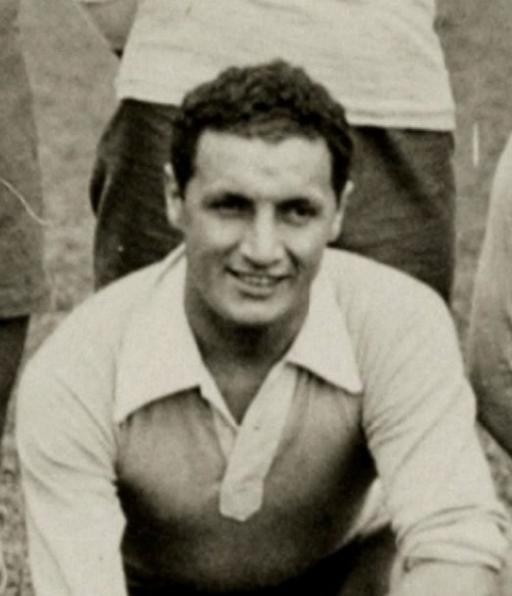
Héctor Castro
 Uruguay
association football player•association football coach
Also known as: El Manco, El Divino Manco, The One-Armed Carpenter
誕生日
November 29, 1904
星座
Sagittarius
出生地
Montevideo, Uruguay
年齢
Died at 55
概要
アグスティン・エクトル・カストロ・ロドリゲスは、ウルグアイのサッカー選手兼監督であり、幼少期の事故で右腕を失いながらも国民的アイコンとなった。彼は1930年の初開催ワールドカップでウルグアイ史上初のワールドカップゴールを決め、決勝戦でアルゼンチンに対して決定的な4点目を挙げ、ウルグアイの初優勝を決定づけた。また、1928年のオリンピック金メダルや複数の南米選手権も獲得している。彼のニックネームエル・ディビーノ・マンコ(片腕の神)は、障害を回復力と技術の象徴に変えた、彼が人々に与えた畏敬の念を反映している。今日、彼はサッカー界で最も感動的な人物の一人、クラブ・ナシオナル・デ・フットボールの伝説、そして身体的困難に打ち勝ったアスリートの先駆者として記憶されている。
生い立ちと背景
カストロはモンテビデオの労働者階級の地区ラ・アグアダで、ガリシア出身の移民の両親のもとに生まれた。家族は経済的に苦しく、10歳で働き始めた。13歳のとき、大工仕事場で電動ノコギリを使っている際に、誤って右前腕を肘の下で切断した。この怪我により、生涯のニックネームエル・マンコ(片腕)がついた。驚くべきことに、カストロは決して障害がサッカーをするのを妨げることはなかった。彼は技術を適応させ、ヘディングでは断端をてこにして利用することもあった。1921年から1924年までアスレティック・クラブ・リトでユースサッカーをプレーし、その技術と決意でスカウトの目に留まった。プロになる前は大工として働いており、それがもう一つのニックネーム「片腕の大工」を与えた。彼の初期の人生は、闘志とサッカーへの愛情によって特徴づけられ、それが彼をスポーツの最高峰へと導いた。
キャリアの歩み
カストロは1923年にナシオナルでトップチームデビューを果たし、すぐにゴールを量産するフォワードとしての地位を確立した。1924年に初のウルグアイリーグタイトルを獲得した。国際的には1923年にウルグアイ代表デビューし、1926年の南米選手権優勝メンバーとなった。1928年のアムステルダムオリンピックでは、カストロはウルグアイの金メダル獲得に貢献し、決勝でアルゼンチンを破った。頂点は1930年にウルグアイで開催されたFIFAワールドカップだった。カストロはグループステージのペルー戦でウルグアイ史上初のワールドカップゴールを決めた。決勝のアルゼンチン戦では、スコア3-2の状況で、コーナーキックをヘディングで決めて4-2とし、勝利を決定づけた。彼はワールドカップ決勝でゴールを決めた唯一の片腕の選手である。カストロは1932年から33年にかけてアルゼンチンのエストゥディアンテス・デ・ラ・プラタでプレーした後、ナシオナルに戻り、さらにリーグタイトルを獲得した。1936年に現役を引退し、その後ナシオナルで2度監督を務め(1939-1943年および1952年)、監督としても複数のウルグアイ選手権を獲得した。
キャリア年表
公的イメージとスタイル
カストロはサッカー界で最も感動的な人物の一人として記憶されており、重度の身体障害を克服して最高の栄誉を勝ち取った選手である。彼のニックネームエル・ディビーノ・マンコは、ウルグアイ人が彼に対して抱いた賞賛を捉えており、失った腕を名誉の印に変えた。メディアでの描写は、彼の回復力、技術、そして1930年のワールドカップ決勝での歴史的なゴールを強調している。彼はナシオナルのファンからクラブのレジェンドとして、ウルグアイ人から国民的英雄として、そして障害者スポーツの提唱者から感動的な人物として称賛されている。公式のファンダム名は存在しないが、彼の物語は、特にワールドカップの記念日前後に、ソーシャルメディアで定期的に共有されている。
名声とファンダム
The reverence for Agustín Héctor Castro Rodríguez remains deeply embedded within the collective identity of Uruguay rather than existing as a separate celebrity cult. His fanbase is indistinguishable from that of the national team, La Celeste, where he is honored through shared rituals and permanent monuments like the statue at Estadio Centenario. Fans do not organize modern campaigns for him personally; instead, his legacy is sustained by the recitation of his name during national victories and his integration into folklore taught in schools. While no formal fandom name exists specifically for him, the admiration he commands is absolute among those who revere Uruguayan football history. Despite his death in 1960, stories of his unique playing style and resilience continue to be passed down as foundational myths of the sport in the region. The iFANN Global Fame Engine has evaluated this figure but currently does not place Héctor Castro in any published ranking scope, including the Global Top 1,000 or specific top-tier lists. Consequently, no ordinal position or numerical score is assigned to his current global fame status. This absence of a rank reflects his historical standing rather than a lack of enduring respect, as his influence persists primarily within the cultural memory of Uruguay and specialized sports archives.
興味深い事実と伝説
Castro utilized his amputated stump to gain an advantage in headers, a technique critics later dubbed the first hand of God in football, predating Diego Maradona's famous goal by 56 years. Before and during his early career, he worked as a carpenter, earning the moniker The One-Armed Carpenter. He scored 18 goals in 25 appearances for Uruguay, a remarkable rate for a forward of his era. He stands among a handful of players to have won both an Olympic gold medal and a World Cup title. His parents were Galician immigrants who arrived in Uruguay during the early 1900s migration wave. Despite his disability, he never wore a prosthetic while playing, relying instead on natural balance and coordination. Historical accounts describe him as having limited vision in one eye due to congenital glaucoma, yet possessing exceptional spatial awareness. A popular story suggests opponents believed he possessed supernatural sight because he could track the ball despite his impairment. Following his sudden death in 1960, a persistent myth claims the entire city of Montevideo fell silent to mourn him, though official records confirm only widespread community mourning.
注目の発言
“The One Armed Carpenter that won Uruguay the 1930 FIFA WORLD CUP... This is the story of El Manco Divino, the first hand of god.”
家族と私生活
注目の関係
恋愛関係と交際歴
総資産(遺産評価額)
受賞 (7)
カストロは1930年のFIFAワールドカップ、1928年のオリンピック金メダル、そして南米選手権で2回(1926年、1935年)優勝した。クラブレベルでは、ナシオナルで複数のウルグアイ・プリメーラ・ディビシオン優勝を果たした。個人の栄誉としては、ウルグアイのワールドカップ初ゴールと1930年決勝の決勝ゴールを挙げている。死後、南米サッカー殿堂入りを果たしている。
1930 · 受賞者
Uruguay national team
1928 · 金メダル
Uruguay national team
代表作
1930 FIFA World Cup
1930 · Forward, scored decisive goal in final
1928 Summer Olympics
1928 · Forward, won gold medal
South American Championship
1926 · Forward, winner
South American Championship
1935 · Forward, winner
Club Nacional de Football
1923 · Forward, club legend
キーワード
出典
クイック情報
- 職業
- association football player, association football coach
- 生年月日
- +1904-11-29
- 出生地
- Montevideo, Uruguay
- 死没
- +1960-09-15
- 死没地
- Montevideo, Uruguay
- 性別
- 男性
- 星座
- Sagittarius
個人情報
- 本名
- Agustín Héctor Castro Rodríguez
よくある質問
エクトル・カストロはどのようにして腕を失ったのですか?
エクトル・カストロは1930年のワールドカップ決勝で得点しましたか?
エクトル・カストロのニックネームは何ですか?
エクトル・カストロはウルグアイ代表で何ゴールを挙げましたか?
エクトル・カストロはどのチームでプレーしましたか?
コミュニティに参加
人のファンが話題に