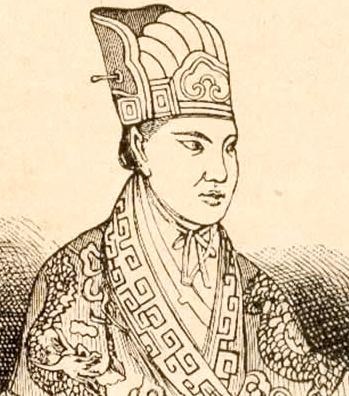
Hong Xiuquan
 China
Chinarevolutionary•religious leader
Also known as: Hong Huoxiu, Heavenly King, Tianwang
誕生日
January 1, 1814
星座
Capricorn
出生地
Huadu District, Guangzhou, Guangdong Province, Qing Dynasty China
年齢
50歳で死去
身長
5 ft 6 in (168 cm)
概要
洪秀全は中国の革命家であり宗教指導者で、人類史上最も死者の多い紛争の一つである太平天国の乱を引き起こしました。広州花都の客家の農家に生まれ、教師として訓練を受け、科挙に何度も失敗したことが彼の急進的な転向を促しました。神秘的な幻視を主張し、自分はイエス・キリストの弟であり、悪魔崇拝を根絶し上帝への信仰を回復する使命を帯びていると信じました。儒教を拒否し、キリスト教、道教、千年王国論を融合させた強力な教義を創り上げました。彼の仲間である馮雲山は彼の教えを広めるために拝上帝会を設立し、1850年までに信者は1万人を超え、清当局と衝突しました。
1851年1月、洪秀全は金田で反乱軍を組織し、清軍を破って太平天国の乱を開始しました。自ら太平天国の天王を名乗り、1853年3月に南京を占領して天京と改名し、首都としました。宮殿から布告によって統治し、次第に同僚の指導者である楊秀清に paranoid になりました。1856年の天京事件で楊秀清の殺害を画策し、それが他の太平天国指導者の粛清に発展し、王国を弱体化させました。清軍が迫る中、洪秀全は病に倒れ、1864年6月1日に50歳で死去しました。息子の洪天貴福が短期間後を継ぎましたが、1ヶ月後に南京が陥落し、反乱は終結しました。
生い立ちと背景
洪秀全は広東省花都区の小さな客家集落である福源水村で生まれました。父の洪鏡揚は農民で村の長老であり、息子の教育費を捻出しました。7歳から地元の学校で学び、15歳までに儒教の古典を習得しました。家族は彼が科挙に合格し家名を上げることを望みました。1828年から1843年の間に、洪秀全は4回科挙に挑戦し、毎回広州に旅しましたが、すべて失敗しました。
1837年の3度目の失敗は神経衰弱を引き起こしました。40日間の病気の間、洪秀全は鮮明な幻視を見ました。天に昇り、後に天父上帝と特定する老人に会い、悪魔を駆除する使命を受けました。彼は自分の神聖な召命を宣言する詩を書きました。1843年に4度目の失敗の後、いとこからキリスト教の宣教パンフレット『勧世良言』を与えられました。洪秀全はこのレンズを通して自分の幻視を再解釈し、自分がイエスの弟であると結論付けました。彼は自ら洗礼を施し、家族や隣人に説教を始め、拝上帝会の基盤を築きました。
キャリアの歩み
1844年、洪秀全といとこの馮雲山は広西に赴き説教しました。洪秀全が花都に戻って教える一方、馮雲山は紫荊山で拝上帝会を設立し、不満を抱く農民や客家の間で急速に成長しました。洪秀全は1847年に再合流し、キリスト教の要素と反満州民族主義、急進的な社会改革を融合させた『天命詔旨書』などの神学書を執筆しました。
1851年1月11日、洪秀全の37歳の誕生日に、彼は金田村で太平天国を宣言し、約2万人の信者を動員しました。反乱軍は北上し、投降者や秘密結社のメンバーを獲得して50万人を超えました。1853年3月、南京を占領し、天京と改名して首都としました。彼は『天朝田畝制度』を発布し、平等な土地分配を約束し、自身の下に5人の王を置く厳格な階層を確立しました。1856年の天京事件で、東王楊秀清が洪秀全の命令で殺害された後、洪秀全は paranoid になり、宗教的神秘主義に引きこもりました。彼は無能な兄弟を要職に任命し、李秀成のような有能な将軍を疎外しました。清軍が南京を包囲する中、洪秀全は避難を拒否し、神が街を守ると主張しました。彼は1864年6月1日に死去し、おそらく毒殺か餓死でした。10代の息子洪天貴福は捕らえられ、11月に処刑され、反乱は終結しました。
キャリア年表
公的イメージとスタイル
洪秀全は複雑な人物として記憶されています。ある人にとっては先見の明のある革命家、別の人にとっては狂信的なカルトリーダーです。中国本土では、中国共産党は彼を進歩的な農民革命家であり、共産主義運動の先駆者として公式に認めています。花都の生家には記念館と銅像があります。歴史家は、土地再分配や男女平等などの急進的な社会改革を強調する一方、反乱の甚大な人的コストも指摘しています。西洋の記述では、しばしば彼を狂った預言者として描き、イエスの兄弟であるという主張やますます奇抜な行動を挙げています。太平天国の乱は依然として激しい学術的議論の対象であり、洪秀全はその中心で解放と破壊の両方の象徴となっています。
名声とファンダム
The historical footprint of Hong Xiuquan remains substantial across centuries, with global attention tracked through the iFANN Global Fame Rankings reflecting his enduring status as a pivotal figure in Chinese history and religious studies. Current data places him as the 78th most famous person from China, a position that represents an upward shift from the 79th rank recorded in the previous cycle. This standing underscores his continued relevance in academic discourse and cultural memory rather than modern celebrity culture. While some historical movements may have revered him as a prophet or revolutionary icon, no formal fanbase or organized fandom exists today. The concept of a dedicated group engaging in modern fan activities does not apply to a 19th-century leader whose legacy is defined by historical analysis and state-sanctioned commemoration rather than contemporary adoration. His audience consists primarily of scholars, historians, and those studying the intersection of religion and revolution, rather than a community of fans generating campaigns or rituals.
興味深い事実と伝説
Hong Xiuquan was originally named Hong Huoxiu before adopting the name Hong Xiuquan following his visions in 1837, where "Xiuquan" signifies complete perfection. During a mystical ascent, he reportedly encountered a volume titled The True Mandate of Heaven. As ruler, he prohibited foot-binding and opium while permitting women to serve within military units. He composed more than 500 poems detailing his divine mandate. The conflict he ignited resulted in an estimated 20 to 30 million deaths, marking it as the second deadliest war in human history after World War II. Following the fall of Nanjing, Qing forces exhumed his body, cremated the remains, mixed the ashes with gunpowder, and fired them from a cannon. Historical records further note his claim of being the younger brother of Jesus Christ, a belief that fueled his rebellion against the Qing Dynasty. The capture of Nanjing in 1853, which he renamed Tianjing, stands as the defining moment of his reign and the center of his radical social reforms.
注目の発言
“I am the Heavenly King, the second son of God the Father, sent to save China from demons.”
“All men are brothers and all women are sisters under God.”
“The Qing are demons; they must be exterminated to restore the true faith.”
“I have seen heaven and received the mandate to rule.”
家族と私生活
洪秀全は農民で村の長老の洪鏡揚とその妻王氏の間に生まれた4人の子供の末っ子でした。兄の洪仁発と洪仁達は後に太平天国政府の高官に任命されましたが、無能さのために王国の衰退に貢献しました。妹の洪宜嬌は家族の記録に言及されています。洪秀全は1830年頃に王氏と見合い結婚しましたが、彼女についてはほとんど知られていません。太平天国内での主な妻は広西出身の客家女性頼蓮英で、彼女は唯一生き残った息子洪天貴福を産みました。南京占領後、洪秀全は88人の側室を娶り、豪華な天王府に住みました。息子の洪天明、洪天光、洪天佑は幼くして亡くなりました。2人の娘の名前と運命は記録されていません。彼の妻と側室は全員、1864年に南京が陥落した際に処刑されるか自殺しました。
注目の関係
洪秀全は、拝上帝会を創設した馮雲山、彼が殺害した東王楊秀清、そして短期間跡を継いだ息子の洪天貴福と関連づけられている。太平天国の乱は、清王朝、客家、そしてイッサチャー・ロバーツのような西洋宣教師と結びついている。
恋愛関係と交際歴
洪秀全の最初の結婚は1830年頃に王氏と取り決められたもので、詳細はほとんど知られていない。彼女は蜂起前に死亡したか、置き去りにされた可能性が高い。太平天国時代の主たる妻は頼蓮英で、1847年頃に結婚した広西出身の客家女性である。彼女は彼の唯一生き残った息子、洪天貴福を産み、天王后の称号を与えられた。1853年に南京を占領した後、洪秀全は中国皇帝の一夫多妻制に従い、88人の側室を娶った。これらの女性は占領地から選ばれるか、役人から献上されたもので、個人名は記録されていない。洪秀全の妻と側室は全員、1864年に南京が陥落した際に処刑されるか自殺した。2026年現在、洪秀全は故人である。
- 既婚Lady Wang1830 - 1847取り決め結婚。記録は少なく、蜂起前に死亡か置き去り。
- 既婚Lai Lianying1847 - 1864主たる妻。息子洪天貴福を産む。南京陥落後に処刑。
- 既婚88 concubines1853 - 1864南京占領後に娶られる。個人名はなく、全員1864年に死亡。
死去とその後
死没
June 1, 1864 (50歳没)
死没地
Nanjing, Jiangsu, China
死因
Starvation and illness
Hong Xiuquan died on June 1, 1864, within the Tiannan Palace in Nanjing, the capital of the Taiping Heavenly Kingdom. His final days were marked by a refusal to consume ordinary food while Qing forces tightened their siege around the city, leading to a decline attributed to starvation after he subsisted for weeks on a medicinal syrup of honey and wild herbs which he claimed was divine sustenance. While traditional accounts occasionally suggest suicide by poison to avoid capture, modern historical consensus holds that he simply perished from the combination of religious fasting and extreme famine conditions just before the imperial army breached the walls on June 19.
The reaction to his passing was immediate and hostile rather than mournful, with the victorious Qing dynasty viewing him as a dangerous heretic and actively seeking to erase his legacy. The imperial authorities exhumed his body after the fall of Nanjing, cremated it, and scattered his ashes to prevent veneration.
In the decades that followed, particularly during the 20th century, Hong Xiuquan's reputation underwent a significant transformation. The Communist Party of China later re-evaluated him as a precursor to the peasant revolution. Posthumously, Hong Xiuquan has become a subject of extensive historical study and literature, featuring prominently in works such as Jonathan Spence's biography God's Chinese Son and various documentaries detailing the Taiping Rebellion.
総資産(遺産評価額)
$0
iFANN編集チームによる推定
Per iFANN's editorial analysis, the net worth of Hong Xiuquan is $0. As a deceased historical figure, he holds no living estate or personal assets today. During his tenure as Heavenly King, he commanded the Taiping treasury, which held gold and silver seized from Qing cities, estimated at between 5 and 10 million taels of silver. His palace in Nanjing featured over 1,000 rooms adorned with gold leaf and jade. Upon the collapse of the capital, Qing forces recovered 1.5 million taels of silver and more than 10,000 gold ingots. No private estate survives to this day, as his descendants were either executed or died young. All historical sites associated with Hong are owned by the Chinese government, and his writings reside in public museums, generating no personal income.
受賞 (2)
洪秀全は生前に正式な賞を受賞していない。清王朝は彼を反逆者とみなした。死後、1983年に中国共産党は彼を進歩的な歴史的人物として認めた。2001年に花都に記念館が開館し、1988年に彼の旧居は重要文化財に指定された。
1983 · 歴史的認識
Leadership of Taiping Rebellion
1988 · 文化遺産
Former Residence in Huadu
代表作
Taiping Rebellion
1851 · Leader and Heavenly King
Founding of Taiping Heavenly Kingdom
1851 · Founder and ruler
God Worshipping Society
1847 · Spiritual leader
キーワード
クイック情報
個人情報
- 本名
- Hong Huoxiu
- 身長
- 5 ft 6 in (168 cm)
- 配偶者
- Lai Lianying
- 子ども
- Hong Tianguifu, Hong Tianming, Hong Tianguang, Hong Tianyou, two daughters
- 学歴
- Village school in Fuyuan Springs, studied Confucian classics; self-taught in Christian theology
よくある質問
洪秀全とは誰ですか?
洪秀全はどのように亡くなったのですか?
太平天国の乱とは何ですか?
なぜ洪秀全は反乱を起こしたのですか?
洪秀全の遺産は何か?
コミュニティに参加
人のファンが話題に