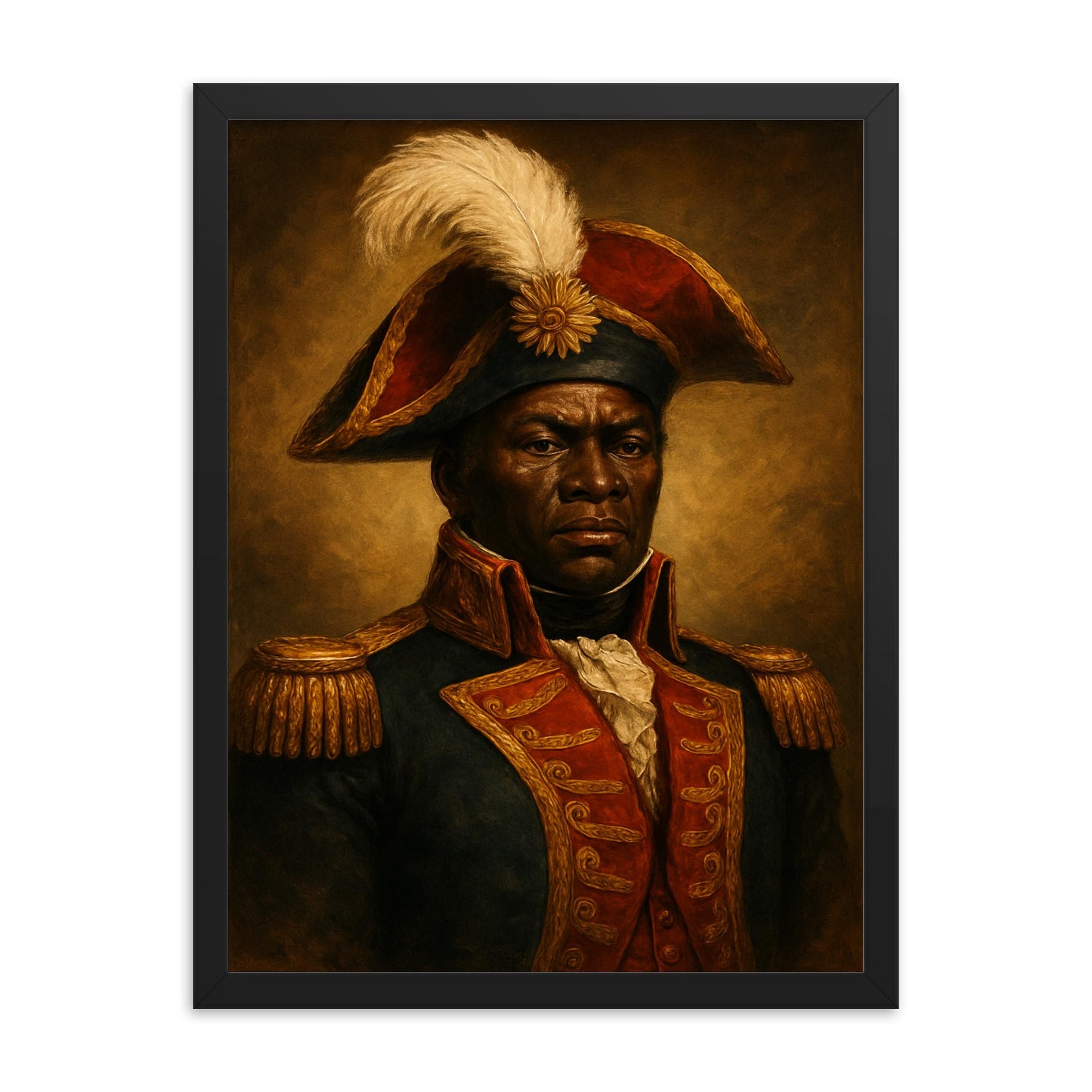
Jean-Jacques Dessalines
政治家
Also known as: Jacques I, Emperor Jacques I, The Tiger
誕生日
September 20, 1758
星座
Virgo
出生地
Plaine-du-Nord, Saint-Domingue (present-day Haiti)
年齢
48歳で死去
概要
Jean-Jacques Dessalines was the founding father of Haiti, the revolutionary leader who turned a slave revolt into the first independent black republic in the Americas. Born into slavery in 1758, he rose through the ranks of the Haitian Revolution to become Emperor Jacques I, ruling from 1804 until his assassination in 1806. Dessalines is remembered for his ferocity on the battlefield, particularly at the Battle of Vertières, and for his uncompromising stance against slavery and French colonialism.
Today, Dessalines is a national symbol in Haiti. His portrait appears on currency, statues honor him across the country, and the national anthem, La Dessalinienne, bears his name. He is celebrated each year on Haitian Independence Day, January 1, when Haitians commemorate the declaration he read at Gonaïves. His legacy is complex, a hero who ended slavery but also ordered the brutal 1804 massacre of French residents. For many, he remains the embodiment of black liberation and anti-colonial resistance.
生い立ちと背景
デサリーヌはサン=ドマングのプレーン・デュ・ノールにあるコルミエ農園で奴隷として生まれました。彼のアフリカでの元の名前は不明です。彼はデサリーヌという名の自由黒人に購入され、その名前を姓として名乗り、後にデュクロというフランス人の主人に仕えました。農園生活の厳しさは彼に深い傷を残し、目撃者は後に鞭でつけられた背中の傷に言及しました。
1789年頃、フランス革命が植民地を不安定化させる中、デサリーヌはフランス植民地軍に士官として加わり、サン=ドマングを奪取しようとするスペインとイギリスの勢力と戦いました。1791年の北部平原での大規模な奴隷反乱の後も、彼はフランスと共にいました。しかし1793年頃、彼はトゥーサン・ルーヴェルチュール率いる反乱軍に加わるために離反しました。彼の軍事的才能と冷酷さは、すぐに彼をルーヴェルチュールの筆頭副官兼副司令官にしました。
キャリアの歩み
デサリーヌの軍事的評判は、1802年3月のクレテ=ア=ピエロットの戦いで築かれました。20日間、彼の部隊はフランスのシャルル・ルクレール将軍の軍隊に対して持ちこたえ、ルクレールがデサリーヌの首に懸賞金をかけたという噂があるほど激しく戦いました。1802年にルーヴェルチュールが捕らえられフランスに送還された後、デサリーヌは一時的にフランスの権威に服従し、時機を待ちました。秘密裏に、彼は反乱軍の残党を組織しました。
1803年5月18日、アルカイエ会議で、彼は正式に「ハイチ人軍総司令官」に任命されました。6ヶ月後の1803年11月18日、彼の部隊はハイチ革命最後の主要な戦闘となったヴェルティエールの戦いでフランス軍を破りました。1804年1月1日、デサリーヌはゴナイーヴでハイチの独立を宣言し、奴隷制を永久に廃止しました。彼は総督となり、1804年9月22日には皇帝ジャック1世として即位しました。彼の治世はわずか2年余りで、その間に彼は、白人の土地所有を禁止し、カトリックを国教とする1805年帝国憲法を発布しました。
キャリア年表
公的イメージとスタイル
デサリーヌは通常、羽根飾り付きの帽子をかぶり、しばしば馬に乗った軍服姿で、厳格で威厳のある表情で描かれます。ハイチの芸術や壁画では、彼は堂々とした英雄的な人物です。歴史学は彼を複雑な指導者として描いています。奴隷制を終わらせた革命家であると同時に、虐殺を命じた残忍な専制君主でもあります。1月1日と11月18日の年次追悼行事には、再現劇、パレード、式典が含まれます。彼のイメージは政治的象徴として広く使われ、彼の名前は政治的スペクトルを超えたハイチの指導者たちによって引き合いに出されます。彼に特化したソーシャルメディアページは、黒人解放における彼の役割に焦点を当て、敬意を込めて教育的なものになる傾向があります。
名声とファンダム
Jean-Jacques Dessalines commands a global stature that transcends the metrics of modern celebrity, standing instead as a foundational pillar of national identity and historical consciousness. In August 2026, the iFANN Global Fame Engine evaluated his standing and determined that he currently holds no placement within the published Global Top 1,000 rankings or any specific Top-100 scope list, reflecting his status as a figure whose influence is institutional rather than commercial. Unlike contemporary stars who rely on chart positions or viral engagement, Dessalines exists in a category where fame is measured by the endurance of state ceremonies and the depth of spiritual reverence. The Haitian nation itself functions as his primary constituency, with millions participating annually in commemorations that blend political history with Vodou ritual. While there is no formal fandom name documented for his supporters, no equivalent to organized fan clubs or branded social media movements, the collective devotion of the Haitian people serves as a living reflection of his legacy. This veneration manifests not through digital trends but through the annual observance of Dessalines Day, where the state honors his memory with official parades and religious rites dedicated to him as a *lwa*. His image remains a constant fixture in public spaces, from currency to murals, ensuring that his presence is felt daily without the need for active promotion. The absence of a numerical rank in global databases does not diminish his impact; rather, it underscores the unique nature of his fame, which is rooted in the survival of a republic and the enduring power of a revolutionary mythos. His legacy continues to shape geopolitical discourse and cultural narratives, proving that true historical significance often operates outside the conventional frameworks of popularity contests.
興味深い事実と伝説
Legend holds that Dessalines created the Haitian flag by ripping the white center out of the French tricolor, symbolizing the removal of white rule. Known as The Tiger for his battlefield ferocity, he dictated the Haitian Declaration of Independence despite being illiterate. He spared Polish soldiers who had defected from the French army, granting them citizenship and land, many of whose descendants still live in Haiti today. After his assassination, his body was dismembered by a mob before his remains were interred at the Musée du Panthéon National Haïtien. A widely retold story describes him tearing the white stripe from the French flag to declare that it represented the white oppressors, leaving only blue and red to signify the blood of the enslaved and the freedom of the people. Another pivotal moment involves his proclamation of independence on January 1, 1804, at Gonaïves, which established the first independent black republic in the world. The circumstances of his death in 1806 remain a tragic legend, marking the end of his reign and plunging the nation into instability, a date now honored annually as Dessalines Day. Historians note that during his final years, Dessalines declared, "I have avenged America," a statement that cemented his role as the father of the first independent Black republic. His legacy also includes the controversial 1804 massacre of remaining white French colonists, an event universally referenced as the brutal price of independence and the definitive break from colonial rule. In the realm of religious folklore, he is revered as a *lwa* in the Haitian Vodou pantheon, specifically associated with strength, justice, and the fight against oppression.
注目の発言
“Never again shall a colonist set foot on this land as a master.”
“I have avenged America.”
“We must live independent or die.”
“My name has become a horror to all those who wish to enslave my race.”
家族と私生活
デサリーヌは1790年頃、マリー=クレール・ユルーズ・フェリシテと結婚しました。彼女はハイチの皇后となった元奴隷でした。人道的活動で知られ、1804年の虐殺からフランス系住民を自宅に匿って秘密裏に逃亡を助けました。夫婦には、ジャック(夭折)やマリー=フランソワーズといった娘を含む数人の子供がいましたが、完全な記録は残っていません。デサリーヌ暗殺後、マリー=クレールは目立たない生活を送り、後の政府から年金を受け取りました。デサリーヌの知られている子供たちは、政治的影響力を維持する子孫を残しませんでした。
注目の関係
デサリーヌはハイチ革命の指導者トゥーサン・ルーヴェルチュールの筆頭副官を務めました。ルーヴェルチュールが捕らえられた後、彼は指揮権を握りました。彼の同僚であったアンリ・クリストフとアレクサンドル・ペティオンは後に彼に反旗を翻し、彼の暗殺に関与しました。彼はフランスのシャルル・ルクレール将軍と戦いました。彼の妻、マリー=クレール・ユルーズ・フェリシテは、彼と共に皇后として戴冠しました。
恋愛関係と交際歴
デサリーヌは1790年頃、マリー=クレール=ウルス=フェリシテと結婚しました。彼女は元奴隷であり、ハイチの皇后となりました。彼女は人道的活動で知られ、1804年の虐殺の際にはフランスの住民が脱出するのを秘密裏に支援しました。夫妻には数人の子供がいました。歴史資料には、他に記録された恋愛関係は存在しません。デサリーヌは1806年10月17日に亡くなり、再婚しませんでした。
- 既婚Marie-Claire Heureuse Félicité1790 - 1806ハイチの皇后となった元奴隷。1804年の虐殺における人道的活動で知られる。
死去とその後
死没
October 17, 1806 (48歳没)
死没地
Pétionville
死因
Reported assassination by gunshot wounds
Jean-Jacques Dessalines, the first Emperor of Haiti, was assassinated on October 17, 1806, during a coordinated coup led by rival generals. The event occurred at Pétionville near Port-au-Prince, where the Emperor was ambushed while traveling between locations, resulting in multiple gunshot wounds that caused his death almost instantly. Historical records established this cause through contemporary eyewitness accounts and military dispatches rather than any formal autopsy or legal inquest, as the conspirators immediately seized power to neutralize any judicial inquiry. Following the killing, the nation fractured into civil war between the supporters of Pétion in the south and Christophe in the north.
Instead, Dessalines was initially vilified by the mulatto-led republics that succeeded him, leading to decades where his legacy was suppressed or portrayed negatively in early historiography. His body was reportedly buried in a simple, unmarked grave near the site of the ambush, consistent with the chaotic conditions of the post-revolutionary period, and the precise location of this burial has never been publicly confirmed. Posthumously, he was rehabilitated as a national hero, with October 17 now commemorated annually as Dessalines Day, though these ceremonies have occasionally been marred by violence in recent years.
総資産(遺産評価額)
$0
iFANN編集チームによる推定
As an 18th–19th century revolutionary leader who died in 1806, Jean-Jacques Dessalines has no living net worth. Per iFANN's editorial analysis, the total value attributed to his estate is $0. His estate is not privately held; the Haitian government manages his legacy through the Musée du Panthéon National Haïtien (MUPANAH), which houses his remains and artifacts. Posthumous revenue sources include tourism at historical sites like Fort Jacques, licensing of his image on currency and stamps, and merchandise sold at monuments. No private estate exists to generate income, as his family line did not maintain significant wealth after his death.
受賞 (1)
デサリーヌは現代のエンターテイメントやパフォーマンスの賞を受賞していません。死後、ハイチの最高勲章であるデサリーヌ勲章が1979年に彼の名で設立されました。1904年に採択された国歌『ラ・デサリーヌ』は、彼の遺産を称えています。
1979 · 国家勲章
代表作
Haitian Revolution
1804 · リーダー
Battle of Vertières
1803 · コマンダー
Emperor of Haiti
1804 · モナーク
キーワード
クイック情報
- 職業
- politician
- 生年月日
- +1758-09-20
- 出生地
- Plaine-du-Nord
- 死没
- +1806-10-17
- 死没地
- Port-au-Prince
- 性別
- 男性
- 配偶者
- Marie-Claire Heureuse Félicité
- 星座
- Virgo
個人情報
- 本名
- Jean-Jacques Dessalines
- 配偶者
- Marie-Claire Heureuse Félicité
- 子ども
- Jacques (son, died young), Marie-Françoise (daughter), and several others (names not fully documented)
よくある質問
ジャン=ジャック・デサリーヌはどのように亡くなりましたか?
ジャン=ジャック・デサリーヌは結婚していましたか?
ジャン=ジャック・デサリーヌには子供がいましたか?
ジャン=ジャック・デサリーヌの総資産はいくらでしたか?
ジャン=ジャック・デサリーヌは亡くなった時何歳でしたか?
コミュニティに参加
人のファンが話題に