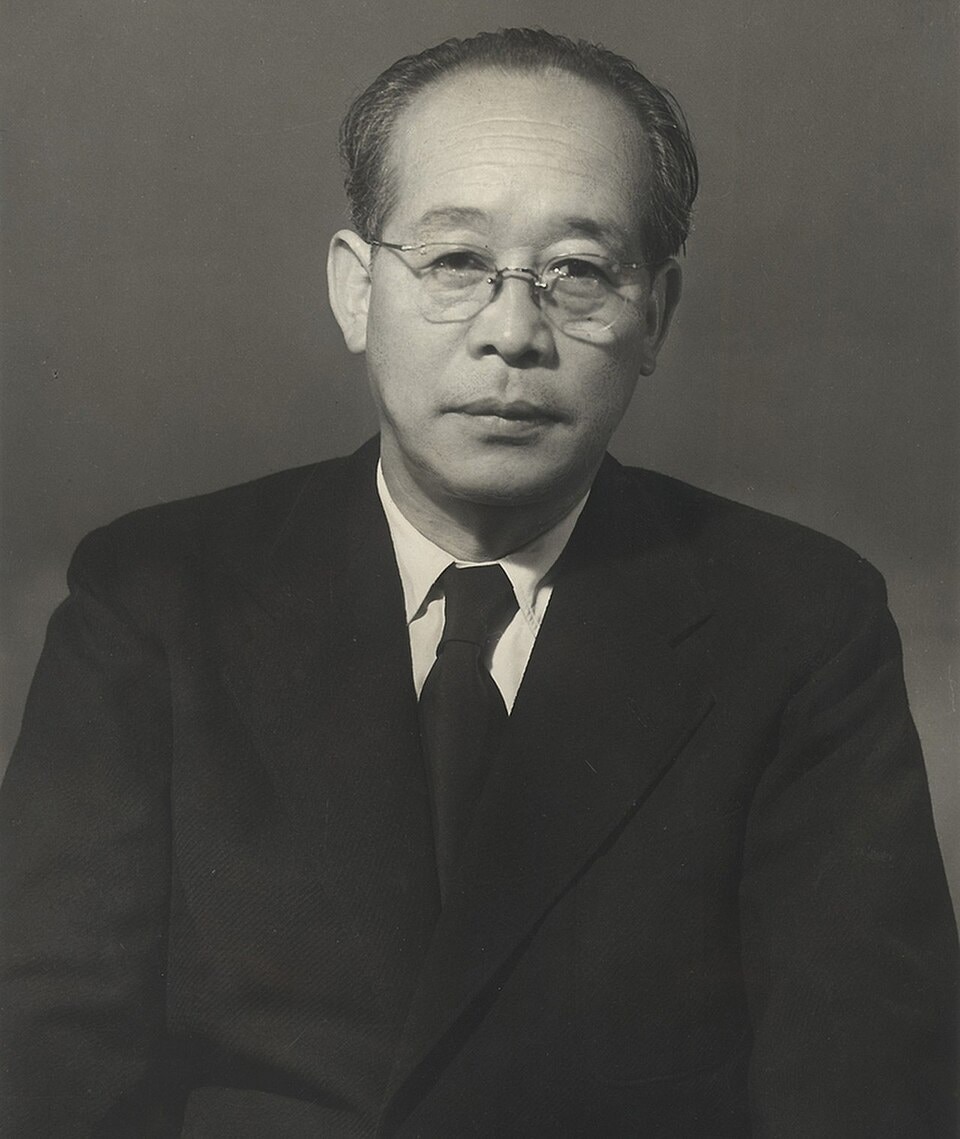
Kenji Mizoguchi
 Japan
Japan誕生日
May 16, 1898
星座
Taurus
出生地
Tokyo, Japan
年齢
58歳で死去
概要
溝口健二は、1898年5月16日に東京で生まれ、1956年に亡くなるまでの間、1923年から約100本の映画を手がけた日本の映画監督・脚本家です。黒澤明や小津安二郎と並び、日本映画黄金期の柱とされています。彼の作品は、歴史的・現代的な日本の両方において女性の抑圧を探求することが多く、そのテーマは最も称賛された作品『残菊物語』(1939年)、『西鶴一代女』(1952年)、『雨月物語』(1953年)、『山椒大夫』(1954年)に貫かれています。後者の3作品はヴェネツィア国際映画祭で賞を受賞し、国際的な評価を確固たるものにしました。溝口の緻密な構図と長回しは世界中の監督に影響を与えましたが、女性主人公に焦点を当てた点で同世代の監督たちとは一線を画していました。彼は1956年8月24日に58歳で亡くなり、詩的で社会意識の高い映画の遺産を残しました。
生い立ちと背景
溝口は東京の本郷で生まれました。父親は失敗した傘のセールスマンで経済的に苦しく、家族の没落により姉が芸妓に売られたことは監督に深い印象を残し、後に女性の苦しみという繰り返しのテーマに反映されました。彼は若くして学校を離れ、映画に出会うまで様々な仕事を転々としました。1920年、日活スタジオに俳優兼助監督として入社し、ベテラン監督から技術を学びました。監督デビューは1923年の『青春の足跡』(現在は失われたサイレント映画)でした。1920年代を通じて、メロドラマ、文学翻案、社会派ドラマなど様々なジャンルの数十本の映画を監督しましたが、一貫したスタイルを見つけるのに苦労しました。1923年の関東大震災は制作に支障をきたし、初期作品の多くが失われました。
キャリアの歩み
溝口のブレイクスルーは1939年の『残菊物語』で訪れました。これは歌舞伎役者とその女中を描いた繊細なドラマで、批評家の称賛を集め、彼の成熟したスタイルを確立しました。第二次世界大戦後、彼は最も充実した時期に入ります。1952年、『西鶴一代女』がヴェネツィアで金獅子賞を受賞し、西洋の観客に紹介されました。翌年、『雨月物語』が銀獅子賞を受賞し、幽霊伝承と野心と喪失の道徳物語を融合させました。1954年には『山椒大夫』が再び銀獅子賞を受賞し、ヴェネツィアでの3連勝を達成しました。これらの作品はすべて共同脚本家の依田義賢と共に制作され、溝口の特徴である長回しと深い焦点を披露しました。『赤線地帯』(1956年)などの後期作品も、家父長制社会への批判を続けました。彼は最後の映画を完成させた直後に白血病で亡くなりました。
キャリア年表
公的イメージとスタイル
溝口の公的な人物像は、控えめで情熱的な芸術家でした。彼は時代考証への細心の注意と、俳優から微妙な演技を引き出す能力で知られていました。批評家は彼の優雅で流動的なカメラワークと、女性に対する思いやりのある描写を賞賛しています。ファンや学者は彼を時代劇の巨匠であり、日本のヒューマニズム映画の重要人物と見なしています。彼の作品はフェミニズム的主題と形式的な精密さから頻繁に研究されています。
名声とファンダム
Kenji Mizoguchi stands as a towering figure in the global pantheon of cinema, his influence stretching far beyond the borders of 1950s Japan. Despite a prolific career crafting roughly one hundred films between 1923 and his death in 1956, his posthumous reputation has only deepened over decades of critical re-evaluation. While his work remains a staple of academic study and cinephile devotion, iFANN's Global Fame Engine evaluated this person in August 2026 and found that he does not currently hold a placement in the published rankings or the Global Top 1,000 list. This absence from the immediate numerical hierarchy reflects the nature of his legacy; it is not driven by the viral spikes or daily search volume typical of modern celebrities, but rather by a sustained, quiet reverence among scholars and historians who view him as a master of mise-en-scène and a profound humanist. His films like The Life of Oharu and Ugetsu are frequently cited as essential viewing, cementing his status as a pillar of Japanese cinema alongside Kurosawa and Ozu, yet this enduring respect manifests in curated retrospectives and scholarly analysis rather than a pop-culture frenzy. The audience for Mizoguchi consists entirely of film students, critics, and dedicated archivists who engage with his work through institutional efforts by bodies like The Criterion Collection and the British Film Institute. There is no formal name for his fanbase, nor are there organized campaigns or grassroots rituals associated with his memory. Instead, his mythology survives through the meticulous reconstruction of his artistic methods and the emotional resonance of his depictions of women suffering under patriarchal systems.
興味深い事実と伝説
Kenji Mizoguchi directed approximately 100 films between 1923 and 1956, yet fewer than half survive today. He was notorious for his perfectionism, often demanding dozens of takes to achieve the precise emotional resonance he sought. Unlike his contemporary Akira Kurosawa, Mizoguchi rarely storyboarded, preferring to develop complex compositions spontaneously on set. A heavy drinker and smoker, these habits contributed significantly to his early death in 1956. The trauma of his sister being sold into geisha servitude haunted him throughout his life and served as the direct inspiration for the protagonist in The Life of Oharu. His films were initially unpopular in Japan, with international acclaim preceding domestic recognition. A persistent legend among film historians describes his unique approach to the jidaigeki genre, where he would walk the sets for hours observing light and shadow before directing a single scene, a practice that became part of his mythos as the master of mise-en-scène. Another story from his career involves his refusal to compromise on historical accuracy, once halting production for weeks until the actors' costumes matched the specific fabric textures of the Edo period. Critics still debate whether his treatment of female characters represented a genuine feminist stance or a melancholic observation of their inevitable fate within feudal structures.
注目の発言
“I have always been interested in the suffering of women.”
“The camera must be like a poet's pen.”
“I want to show the truth of human existence.”
“A film should be a work of art, not just entertainment.”
家族と私生活
溝口は溝口フミ子と結婚しましたが、私生活についてはほとんど知られていません。公に記録された子供はいません。姉のスズは家族が貧困に陥った際に芸妓に売られ、そのトラウマが彼の芸術的ビジョンを形成しました。溝口はインタビューで家族について語ることはほとんどありませんでした。
注目の関係
溝口はしばしば黒澤明や小津安二郎と比較されます。脚本家の依田義賢や作曲家の早坂文雄と頻繁に協力しました。彼の作品はマーティン・スコセッシやペドロ・アルモドバルなどの監督に影響を与えました。
恋愛関係と交際歴
溝口は溝口フミ子と結婚していました。求婚や結婚の詳細は広く記録されていません。彼は1956年に亡くなるまで結婚生活を続けました。他の公的な関係は記録されていません。
- 既婚Fumiko Mizoguchi? - 1956溝口の死まで結婚生活が続いたが、関係についてはほとんど知られていない。
死去とその後
死没
August 24, 1956 (58歳没)
死没地
Tokyo, Japan
死因
natural causes related to illness
Kenji Mizoguchi died on August 24, 1956, in Tokyo, Japan. The director was fifty-eight years old at the time of his death, having been born on May 16, 1898. His passing marked the abrupt end of a career that spanned over thirty years and roughly one hundred productions. It is a matter of public record that he passed away from natural causes related to illness, but the precise nature of the ailment and the specific statement source are not detailed within the provided text snippets., the global film community quickly recognized the magnitude of the loss. Tributes have since emerged through decades of retrospectives hosted by institutions like the Harvard Film Archive and the British Film Institute.
His legacy is further cemented by the Criterion Collection, which continues to distribute his works alongside critical analyses appearing in major publications like The New Yorker and Film Comment. Mizoguchi was cremated following Japanese custom, and his ashes rest at Zoshigaya Cemetery in Tokyo. Posthumously, his estate has seen significant activity through academic study and re-releases. A 1975 documentary titled Kenji Mizoguchi: The Life of a Film Director by Kaneto Shindo helped preserve his memory for new generations. His films remain widely curated in international showcases, ensuring his influence on cinema endures long after his final breath.
受賞 (3)
溝口は1952年、ヴェネツィア国際映画祭で『西鶴一代女』により金獅子賞を受賞し、1953年には『雨月物語』で銀獅子賞、1954年には『山椒大夫』で再び銀獅子賞を受賞した。この3年連続のヴェネツィア受賞により、彼の国際的な名声が確立された。
1952 · 最優秀映画賞
The Life of Oharu
1954 · 最優秀映画賞
Sansho the Bailiff
1953 · 最優秀映画賞
Ugetsu
代表作
The Life of Oharu
1952 · 監督
Ugetsu
1953 · 監督
Sansho the Bailiff
1954 · 監督
The Story of the Last Chrysanthemums
1939 · 監督
キーワード
クイック情報
- 職業
- film director, screenwriter
- 生年月日
- May 16, 1898
- 出生地
- Tokyo, Japan
- 死没
- August 24, 1956
- 死没地
- Kyoto, Japan
- 性別
- 男性
- 星座
- Taurus
個人情報
- 配偶者
- Fumiko Mizoguchi
フィルモグラフィー
100
合計
100
映画
0
テレビ
よくある質問
溝口健二とは?
溝口健二の最も有名な映画は?
溝口健二は作品でどのようなテーマを探求しましたか?
溝口健二は何本の映画を監督しましたか?
溝口健二はいつ亡くなりましたか?
コミュニティに参加
人のファンが話題に