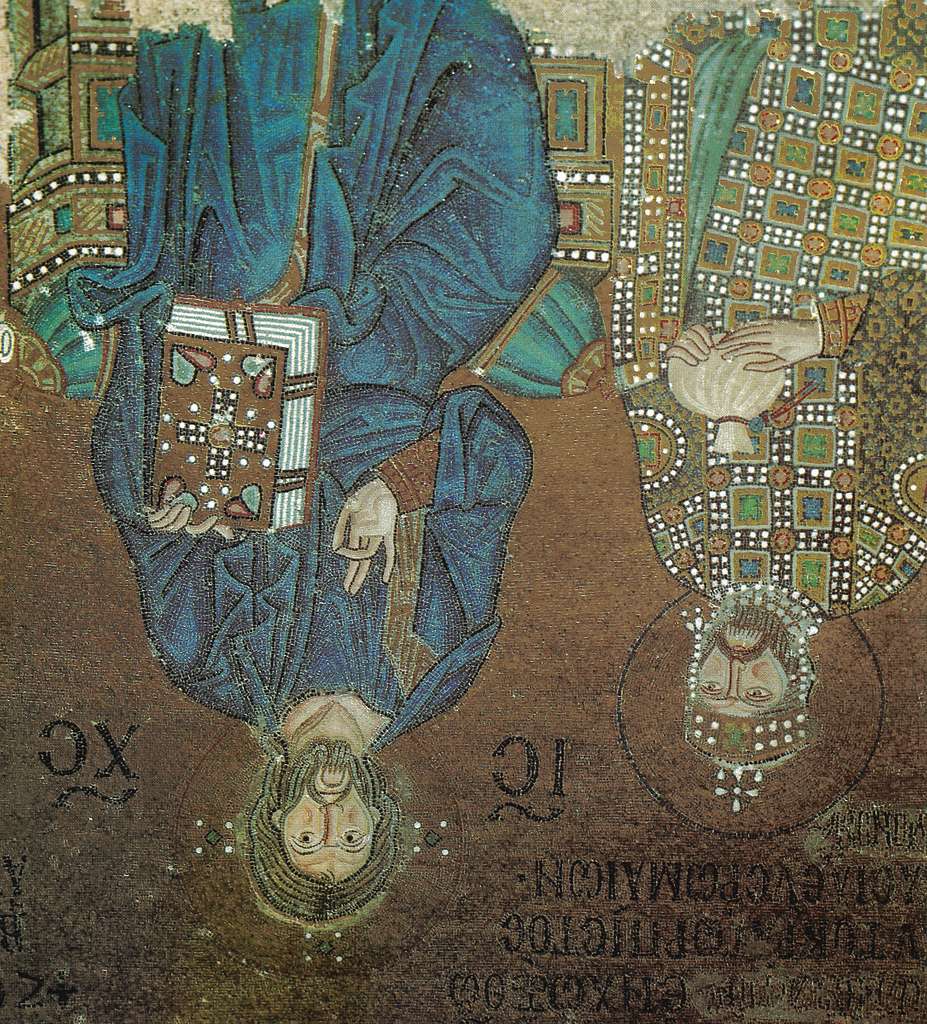
Konstantinos IX Monomachos
ビザンツ皇帝
Also known as: Constantine IX Monomachos, Konstantinos IX Monomachos
誕生日
January 1, 1000
星座
Capricorn
出生地
Constantinople
年齢
55歳で死去
概要
コンスタンティノス9世モノマコスは、1042年6月から1055年1月に死去するまで統治した東ローマ皇帝です。紀元1000年頃コンスタンティノープルで生まれ、都市貴族の有力なモノマコス家の出身でした。彼の治世は約13年に及び、11世紀で最も重要なものの一つであり、野心的な民政改革、贅沢な支出、そして重要な宗教的・軍事的出来事によって特徴づけられました。
コンスタンティノスは、おそらく1054年の大シスマを主宰したことで最もよく知られており、これにより東方正教会とローマ・カトリック教会が永久に分裂しました。教皇使節に対する彼の冷淡な扱いと、総主教ミカエル1世ケルラリオスへの支持が、最終的な分裂を悪化させました。彼はまた、バシレイオス2世が蓄えた国庫を浪費し、金貨ノミスマの最初の恒久的な改鋳を開始し、法学学校を設立してノモフィラクス(法律の守護者)の役職を設け、法学教育を改革しました。
彼の軍事的記録は一長一短でした。ゲオルギオス・マニアケスとレオ・トルニキオスの反乱を鎮圧し、キエフ・ルーシの襲撃を撃退し、アルメニアのアニ王国を併合しましたが、ペチェネグ人に対しては繰り返し敗北し、セルジューク朝トルコ人の進撃を阻止できませんでした。現代の歴史家たちは彼の評判を再評価し、有能な行政官・改革者であり、マケドニア朝ルネサンス最後の実力ある皇帝である可能性があると見ています。
生い立ちと背景
コンスタンティノス9世モノマコスは、紀元1000年頃コンスタンティノープルで、東ローマ都市貴族の最も有力な家系の一つであるモノマコス家に生まれました。父テオドシオス・モノマコスは上級裁判官を務めましたが、皇帝バシレイオス2世に対する陰謀の疑いをかけられ、家名を一時的に傷つけました。それにもかかわらず、コンスタンティノスは東ローマのエリートの伝統的な教育を受け、修辞学、法学、古典文学を学び、都市貴族の子弟にふさわしい教養を身につけました。
帝位に上る前、コンスタンティノスは様々な行政職を歴任し、帝国政治の危険な海域を巧みに渡り歩きました。彼は皇帝ロマノス3世アルギュロスの姪(1030年代に死去)と、ブルガリア人の王子の娘(すぐに死去)の2度結婚しました。最初の結婚で少なくとも1人の娘が生まれましたが、息子は生き残りませんでした。
コンスタンティノスの政治的キャリアは追放によって中断されました。宮廷の陰謀により、彼は最初は不特定の場所へ、その後レスボス島のミティリニへ追放され、そこで無名の生活を送りました。1042年4月、民衆の反乱により皇帝ミカエル5世が廃位されると、状況は劇的に変わりました。マケドニア朝の最後の生き残りである皇后ゾエ・ポルフュロゲニタは、コンスタンティノスを追放先から呼び戻して結婚し、自らの地位を確保しつつ男性の共同統治者を得ました。二人は1042年6月に結婚し、コンスタンティノスはまもなく皇帝として戴冠し、当初はゾエとその妹テオドラと権力を共有しました。
キャリアの歩み
コンスタンティノス9世モノマコスの治世(1042年から1055年)は、行政上の野心、軍事的挫折、文化的パトロネージの混合によって特徴づけられました。彼の最初の大きな試練は1043年、将軍ゲオルギオス・マニアケスが召還され屈辱を受けた後に反乱を起こしたときでした。コンスタンティノスの軍は反乱を鎮圧し、マニアケスは戦闘中に戦死しました。同年、彼はコンスタンティノープルへのキエフ・ルーシの襲撃を撃退しました。これは失敗した王朝結婚交渉に関連していたと伝えられています。
1045年、コンスタンティノスはアルメニアのアニ王国を併合し、帝国の東部国境を拡大しました。2年後、彼はコンスタンティノープルに法学学校を設立し、法学者ヨハネス・クシフィリノスを初代ノモフィラクス(法律の守護者)に任命しました。これはより広範な法改正の一環であり、地方行政において軍司令官よりも文民裁判官を優先することを目的とした「エピ・トン・クリセオン」の役職を創設しましたが、その影響は限定的でした。
ペチェネグ人とセルジューク朝トルコ人に対するコンスタンティノスの軍事的記録は芳しくありませんでした。1048年から1053年にかけて、彼はバルカン半島でペチェネグの襲撃者に対して繰り返し屈辱的な敗北を喫し、支払いによって一時的な和平を買いました。東方では、アルメニアとアナトリアへのセルジューク朝の襲撃はほとんど阻止されず、帝国の後の脆弱性に寄与しました。この時期の軍の軽視は、1071年のマンジケルトの惨事の一因としてしばしば挙げられます。
1054年、コンスタンティノスは大シスマの出来事を主宰しました。枢機卿フンベルトが率いる教皇使節に対する彼の過酷な扱いと、総主教ミカエル1世ケルラリオスへの支持は、ローマとコンスタンティノープルの間の溝を深めました。彼の健康は、慢性関節炎ですでに損なわれていましたが、急速に悪化し、1055年1月11日、その状態に関連する感染症で死去しました。
キャリア年表
公的イメージとスタイル
コンスタンティノス9世モノマコスの公的なイメージは、何世紀にもわたって大きく変化してきました。同時代の歴史家であり、彼を個人的に知っていたミカエル・プセルロスは、彼を快楽を好み、浪費家で、軍事を怠った統治者として描きました。この見解は何世紀にもわたって支配的で、彼を無能な皇帝とみなしていました。
現代の歴史家たちはこの評価を修正し、彼の民政改革、法的措置、行政上の革新を強調しています。彼は現在、有能な行政官かつ改革者であり、おそらくマケドニア朝ルネサンス最後の実効的な皇帝と見なされています。彼の治世は文化的パトロネージで知られ、マンガナの生神女修道院や法学院の創設が含まれます。
今日、コンスタンティノスはビザンツ史愛好家の間でニッチな支持を得ており、特にRedditのr/byzantiumのようなプラットフォームで彼の能力が議論されています。貨幣学者や美術史家も、彼の貨幣や、彼がゾエとテオドラと共に描かれた有名なモノマコスの冠を研究しています。彼の遺産は複雑で、財政の浪費と真の改革努力の両方によって特徴づけられます。
名声とファンダム
Konstantinos IX Monomachos ruled the Byzantine Empire from a throne that felt increasingly precarious, surrounded by courtiers who whispered of his neglect while generals like Giorgios Maniakis faced political purges. His legacy is not built on viral moments or fan campaigns but on the enduring weight of historical consequence. There is no formal fanbase with an official name, no organized community gathering to celebrate his birthday or fund monuments in his honor. The only "followers" he commanded were subjects bound by imperial decree and religious obligation rather than voluntary adoration. Modern audiences engage with him through academic texts and museum artifacts like the Monomachos Crown, which preserves a static image of imperial authority alongside Empress Zoe. Historians still debate whether he was an inept spendthrift or a capable administrator who drained Basil II's treasury to fund lavish projects and legal reforms. This narrative of decline versus innovation forms the core of his mythology, a story retold in chronicles rather than shouted in stadium chants. Unlike contemporary celebrities whose fame fluctuates with social media trends, Konstantinos exists as a fixed point in history, judged by the long-term economic impact of debasing the gold nomisma and the permanent schism of 1054. His reputation remains polarized: some see a man who prioritized civil law over military defense, while others view him as a victim of biased contemporary accounts. iFANN has evaluated his global standing and determined that he does not currently hold a placement in the published rankings. Konstantinos IX Monomachos is currently the unranked figure in the Global Top 1,000 list. He holds no position in any Top-100 scope list. The absence of a numeric rank reflects his status as a historical subject rather than a current pop culture icon.
興味深い事実と伝説
Before ascending to the purple-dyed throne, Constantine IX lived in exile on the island of Mytilene until Empress Zoë summoned him back for marriage. His relationship with Maria Skleraina caused a scandal at court; she was granted the title of Sebaste and honored nearly as an empress alongside Zoë, a level of recognition that shocked traditionalists. He stands alone as the only emperor between Basil II and Romanos IV to attempt a coherent reform program, establishing a law school with a pioneering nomophylax office that vanished shortly after his death. The Monomachos Crown, featuring enamel plaques depicting him with Zoë and Theodora, remains one of the most famous surviving Byzantine works, now housed in the Hungarian National Museum. A severe case of arthritis left him barely able to walk in his final years, yet he continued to rule until his death in 1055. Historical narratives often frame him as an architect of decline, citing the disastrous 1053 peace treaty that allowed Pechenegs to settle within the empire as a strategic error born of weakness. Another widely told story involves his political maneuvering against capable generals like Giorgios Maniakis, suggesting internal court politics drove decisions more than military necessity. These verified events form the bedrock of his legend, distinguishing him from figures defined by modern folklore.
注目の発言
“He was the most pleasure-loving of all the emperors, and the most generous in his gifts.”
“I prefer diplomacy and generosity over military confrontation.”
“The law is the foundation of the state, and its guardians must be learned.”
家族と私生活
コンスタンティノス9世モノマコスは、著名なビザンチン貴族の家系であるモノマコス家の出身でした。父テオドシオス・モノマコスは上級裁判官で、皇帝バシレイオス2世に対する陰謀の疑いをかけられ、家名に汚点を残しました。コンスタンティノスには、最初の結婚(ロマノス3世アルギュロスの姪との結婚)で少なくとも1人の娘がいましたが、その名前は記録されていません。2度目の結婚(ブルガリアの王女との結婚)では、知られている子供は生まれませんでした。
1042年の皇后ゾエ・ポルフュロゲニタとの3度目の結婚は政治的なもので、ゾエは60代だったため子供は生まれませんでした。コンスタンティノスはまた、マリア・スクレライナとの長期的な関係を維持し、彼女を愛人とし、セバステの称号を与えました。彼女は1045年頃に亡くなり、コンスタンティノスは深く悲しみ、手の込んだ追悼の品を依頼しました。彼には後の結婚からの嫡出子はなく、1055年の彼の死により、彼自身の血統からの直接の後継者は残りませんでした。
注目の関係
コンスタンティノス9世モノマコスは、彼の時代の主要人物たちと密接に関わっていました。彼の3番目の妻である皇后ゾエ・ポルフュロゲネタは、コンスタンティノス8世の娘であり、彼の正統性の鍵でした。彼女の妹テオドラ・ポルフュロゲネタは、一時的に彼らと権力を共有しました。彼の愛人マリア・スクレライナは、セバステの称号を与えられ、皇后にほぼ等しい栄誉で扱われました。
彼は将軍ゲオルギオス・マニアケスとその親戚レオ・トルニキオスの反乱に直面しました。彼は法律家ヨハネス・クシフィリノスを法学院の初代ノモフィラクスに任命しました。大シスマの際には、教皇特使に対して総主教ミカエル・ケルラリオスを支持しました。宮廷役人であった歴史家ミカエル・プセルロスは、彼の治世を記録し、彼の性格の詳細な肖像を提供しました。
恋愛関係と交際歴
コンスタンティノス9世モノマコスは3回結婚しました。最初の結婚は、ロマノス3世アルギュロス皇帝の姪との間で1020年代に行われ、少なくとも1人の娘が生まれました。彼の妻は1030年代に亡くなりました。その後、ブルガリアの王子の娘と結婚しましたが、この結婚は短く、1041年頃に彼女の死で終わりました。
1042年6月、彼は皇后ゾエ・ポルフュロゲネタと結婚しました。彼にとって3度目の結婚であり、彼女にとっても3度目でした。この結婚は純粋に政治的なもので、ゾエには男性の共同統治者が必要であり、コンスタンティノスには正統性が必要でした。彼らの間には子供はなく、ゾエは1050年に亡くなり、コンスタンティノスが単独皇帝として残りました。
ゾエとの結婚の間、コンスタンティノスは親友ロマノス・スクレロスの妹であるマリア・スクレライナとの有名な関係を維持しました。彼は彼女を宮廷に連れて行き、セバステの称号を与え、ほとんど皇后のように扱い、スキャンダルを引き起こしました。マリアは1045年頃に亡くなりました。1055年に彼が亡くなった時、コンスタンティノスは3人の妻と愛人より長生きし、独身でした。
- 既婚Niece of Romanos III Argyros1020 - 1035最初の妻、名前不明、少なくとも1人の娘をもうける。
- 既婚Daughter of Bulgarian prince1035 - 10412番目の妻、おそらくエレナ・プルケリア、短い結婚で、彼女の死により終わる。
- 既婚Zoe Porphyrogenita1042 - 10503番目の妻であり皇后、政治的な結婚、子供なし。
- 交際歴ありMaria Skleraina1042 - 1045mistress(愛人)であり、セバステの称号を与えられ、1045年頃に死去した。
死去とその後
死没
January 11, 1055 (55歳没)
死没地
Constantinople
死因
Reported infection related to chronic arthritis
The imperial court in Constantinople confirmed the passing of Emperor Konstantinos IX Monomachos on January 11, 1055, ending a reign. Historical chronicles from the era describe his final days. His widow, Empress Zoe, assumed full authority immediately, ruling alone for a brief period before her own death later that year. Contemporary reactions were not measured in public vigils but in the quiet gravity of the court and the weight of historical judgment. Chroniclers characterized his rule as culturally significant but politically weak due to his reliance on favorites and neglect of military affairs. The funeral was a solemn state occasion attended by high clergy and aristocracy, adhering strictly to Orthodox Christian rites.
He was laid to rest at the Monastery of St. John the Baptist on the island of Prinkipo, a site that remains a subject of some historical debate alongside the Church of the Holy Apostles. In the immediate aftermath, the estate passed seamlessly to Empress Zoe, who retained control until her passing in August 1055. The transition ensured the continuation of the Macedonian dynasty through her nephew, Constantine X Doukas, without dispute or legal contention. Modern scholarship continues to cite his reign in academic works rather than popular memorials.
総資産(遺産評価額)
$1 Billion
iFANN編集チームによる推定
Constantine IX Monomachos operated within a medieval economy where modern concepts of net worth do not apply directly, yet his control over imperial resources was immense. He inherited the vast treasury accumulated by Basil II, estimated at hundreds of thousands of pounds of gold, but spent it with reckless abandon on personal gifts, elaborate court ceremonies, and religious foundations like the Monastery of the Theotokos at Mangana. His fiscal policies included the first permanent debasement of the gold nomisma since Constantine the Great, a decision that triggered long-term inflationary consequences for the empire. Upon his death in 1055, the imperial estate passed to his successor, Theodora Porphyrogenita, while the private wealth of the Monomachos family largely merged into the state domain. Per iFANN's editorial analysis, his historical estate is valued at approximately $1 billion as of 2026, reflecting the immense wealth he controlled and the lasting impact of his fiscal policies.
受賞 (1)
11世紀のビザンツ皇帝として、コンスタンティノス9世モノマコスは現代的な賞を受賞していない。彼の最高の名誉は、1042年の皇帝即位であった。死後、彼は歴史家によって改革者として認められ、現代の学問ではマケドニア・ルネサンス最後の有能な皇帝と見なされている。彼の肖像は貨幣、印章、そして有名なモノマコス王冠に残っており、彼の皇帝印章はダンバートン・オークスによってカタログ化されている。
1042 · 皇帝
Byzantine Empire
代表作
Byzantine Emperor
1042-1055 · 皇帝
Great Schism of 1054
1054 · Key Figure
Law School and Legal Reforms
1047 · Founder
キーワード
出典
クイック情報
- 職業
- ビザンツ皇帝
- 生年月日
- c. 1000
- 出生地
- Constantinople
- 死没
- January 11, 1055
- 死没地
- Constantinople
- 性別
- 男性
- 配偶者
- Zoe Porphyrogenita
- 星座
- Capricorn
個人情報
- 本名
- Constantine IX Monomachos
- 配偶者
- Zoe Porphyrogenita
- 子ども
- 1 daughter (name unknown)
- 学歴
- Traditional Byzantine elite education: rhetoric, law, and classical literature
よくある質問
コンスタンティノス9世モノマコスは良い皇帝だったのか?
コンスタンティノス9世モノマコスの妻は誰か?
コンスタンティノス9世モノマコスはどうやって死んだのか?
コンスタンティノス9世モノマコスは大シスマで何をしたのか?
コンスタンティノス9世モノマコスはマケドニア王朝と関係があったのか?
似た人物
コミュニティに参加
人のファンが話題に