 Russia
概要
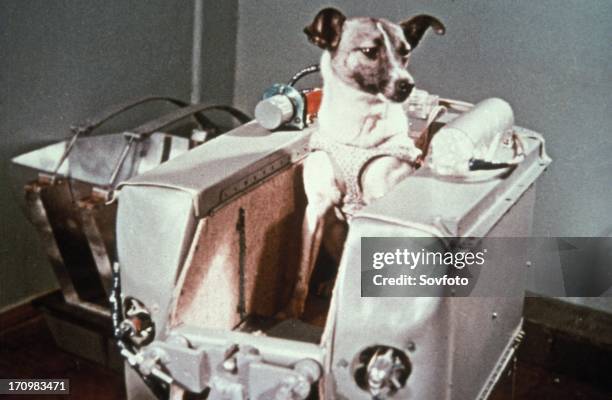
ライカ(LY-kə; ロシア語: Лáйка; 1954年頃 – 1957年11月3日)は、地球を周回した最初の生物となったソビエト連邦の宇宙犬です。モスクワの路上で生まれた雑種犬で、1957年11月3日に打ち上げられたスプートニク2号ミッションに選ばれました。彼女の飛行は、生物が打ち上げと軌道上の状況に耐えられることを証明し、有人宇宙飛行への道を開きました。軌道から宇宙船を帰還させる技術はまだ開発されていなかったため、ライカの生存は期待されていませんでした。彼女は打ち上げから数時間以内に過熱とストレスで死亡しましたが、この事実は2002年まで公表されませんでした。ライカの犠牲は、宇宙における動物実験に関する世界的な議論を巻き起こし、彼女を宇宙時代の悲劇的なアイコンに変えました。モスクワとスター・シティの記念碑は彼女の貢献を称え、彼女の物語は書籍、歌、ドキュメンタリーで語り継がれています。
生い立ちと背景
ライカは1954年頃、モスクワの路上で野良犬として生まれ、他の野良犬たちと共に厳しい冬や食糧難を生き延びました。1957年、ソ連の科学者たちは、雑種犬の方が純血種よりも丈夫で適応力があると信じ、宇宙計画のために彼女と他の数匹の野良犬を捕獲しました。彼女は航空医学研究所に連れて行かれ、徐々に狭くなるケージへの閉じ込め、打ち上げ時のGフォースをシミュレートする遠心分離機テスト、特別なゼリー状の宇宙食を食べる訓練などを受けました。彼女の穏やかな気質と閉じ込めへの耐性が、理想的な候補となりました。バックアップ犬のアルビナは、すでに準軌道試験飛行に搭乗していました。ライカの体重は約5キログラムで、トレーナーであるウラジーミル・ヤズドフスキー博士は彼女を「静かで魅力的」と評しました。
キャリアの歩み
1957年11月3日、ライカはカザフスタンのバイコヌール宇宙基地からスプートニク2号に乗って打ち上げられました。宇宙船は、加圧キャビン、生命維持装置、酸素発生器、温度制御装置、食料供給装置を備えて彼女を運びました。センサーは彼女の心拍数、呼吸数、血圧を監視し、地球にデータを送信しました。ミッションは、生物が打ち上げと軌道に耐えられることを証明するという主要な目標を達成しました。しかし、設計上の欠陥により、打ち上げ中に断熱材が剥がれ、キャビン内の温度が急速に上昇しました。ライカは、飛行から約5〜7時間後、4回目の軌道で過熱とストレスにより死亡しました。スプートニク2号は162日間軌道を周回し続け、1958年4月14日に大気圏で燃え尽きました。ソ連政府は当初、1週間後に安楽死させたと主張していましたが、この話は45年間維持され、2002年にディミトリ・マシェンコフ博士が真実を明らかにしました。
キャリア年表
公的イメージとスタイル
ライカは宇宙時代の悲劇的な英雄、科学的進歩のために犠牲になった無垢な動物として記憶されています。メディアでの描写は、動物実験を取り巻く倫理的な問題を強調しており、彼女の物語は歌、書籍、ドキュメンタリーにインスピレーションを与えています。公式のファン名称はありませんが、「宇宙犬」として広く知られています。ファンの間では、彼女の飛行記念日には追悼イベントが行われ、宇宙の歴史に関する教育プロジェクトも実施されています。ファンによって運営されているソーシャルメディアアカウントは、追悼と研究における動物福祉の擁護に焦点を当てています。
名声とファンダム
Laika holds the distinction of being the first living creature to orbit Earth, a historical milestone that has secured her place in global memory rather than contemporary celebrity charts. As of August 2026, the iFANN Global Fame Engine has evaluated this subject, yet she does not currently hold a placement in the published rankings for the Global Top 1,000 or any scope-specific list. Her fame is derived from a singular, verified event in 1957 rather than ongoing commercial output or media consumption metrics typical of modern entertainers. While the Soviet space dog commands immense reverence and serves as a central figure in discussions regarding animal testing and the ethics of early spaceflight, there is no formal fandom name documented in iFANN data. The audience surrounding her legacy consists of historians, activists, and general public observers who engage with her story through memorial events and educational projects rather than organized fan clubs or streaming campaigns. Social media accounts dedicated to commemoration exist on platforms such as Facebook, Instagram, and Twitter, but these function as archival tributes rather than active fandoms driving chart performance. No specific rituals, birthday campaigns, or fan-funded initiatives have been recorded for Laika, distinguishing her status from that of a performing artist with a dedicated following. Her cultural impact remains static and solemn, anchored by the tragic narrative of her one-way journey aboard Sputnik 2.
興味深い事実と伝説
The name Laika translates to "Barker" in Russian, a moniker applied despite her reputation as a quiet stray from Moscow streets. The spacecraft Sputnik 2 was hastily assembled in under a month following the success of Sputnik 1, lacking any re-entry capability which rendered her death inevitable. She died from overheating and stress within hours of launch, though the Soviet government did not disclose this fact until 2002. Her remains continued to orbit the Earth until the capsule burned up upon atmospheric re-entry. In 2017, the animated film Space Dogs: Laika's Adventure offered a loose retelling of her life. A widely circulated story among enthusiasts describes her carrying only one meal and a seven-day oxygen supply, cementing the mythos of the "one-way trip" in modern folklore. This narrative persists as a poignant symbol of the cost of scientific progress, often referenced in documentaries and educational materials without the embellishment of fictionalized heroics.
注目の発言
“The more time passes, the more I'm sorry about it. We didn't learn enough from the mission to justify the death of the dog.”
“She was quiet and charming. I wanted to take her home with me.”
“The dog was to be sacrificed. There was no way to bring her back.”
家族と私生活
ライカはモスクワの路上で、両親不明の野良犬として生まれました。捕獲される前は、野良犬の群れと共に暮らしていました。彼女に子孫はいませんでした。捕獲後、彼女は航空医学研究所の科学者や獣医に世話をされ、彼らが事実上の家族となりました。彼女の主なトレーナーであったウラジーミル・ヤズドフスキー博士は、後に彼女を家に連れて帰りたかったと書いています。
注目の関係
ウラジーミル・ヤズドフスキー博士は、ライカを訓練し、生物学的実験を監督した主任科学者でした。ディミトリ・マシェンコフ博士は2002年にライカの死の真の原因を明らかにしました。セルゲイ・コロリョフは、スプートニク2号を設計したソ連の主任ロケット技術者でした。ニキータ・フルシチョフは、プロパガンダ目的でこのミッションを承認しました。
恋愛関係と交際歴
ライカには、記録された恋愛関係はありませんでした。捕獲前の野良犬であり、その後は実験対象であったため、交配したり子孫を残したりしたという記録はありません。彼女の関係は、担当者や訓練した科学者に限られていました。2026年現在、ライカは死亡しています。
総資産(遺産評価額)
$0
iFANN編集チームによる推定
Per iFANN's editorial analysis, Laika is deceased and possessed no personal wealth during her lifetime. Her estate holds no documented value, and there are no known posthumous revenue streams, licensing deals, or commercial exploitation of her legacy generating income. Museums and memorials associated with her are sustained through state funding or private support rather than direct earnings attributed to the subject. As of 2026, iFANN estimates her net worth at $0.
受賞と栄誉
View 6 records, honours and achievements代表作
Sputnik 2
1957 · First animal to orbit Earth
キーワード
クイック情報
- 職業
- astronaut
- 生年月日
- 1954
- 出生地
- Moscow, Russia
- 死没
- November 3, 1957
- 死没地
- low Earth orbit
よくある質問
ライカはどのように死んだのですか?
ライカは野良犬でしたか?
ライカには子犬がいましたか?
ラikaが亡くなった時、何歳でしたか?
ライカはどこに埋葬されていますか?
似た人物
コミュニティに参加
人のファンが話題に