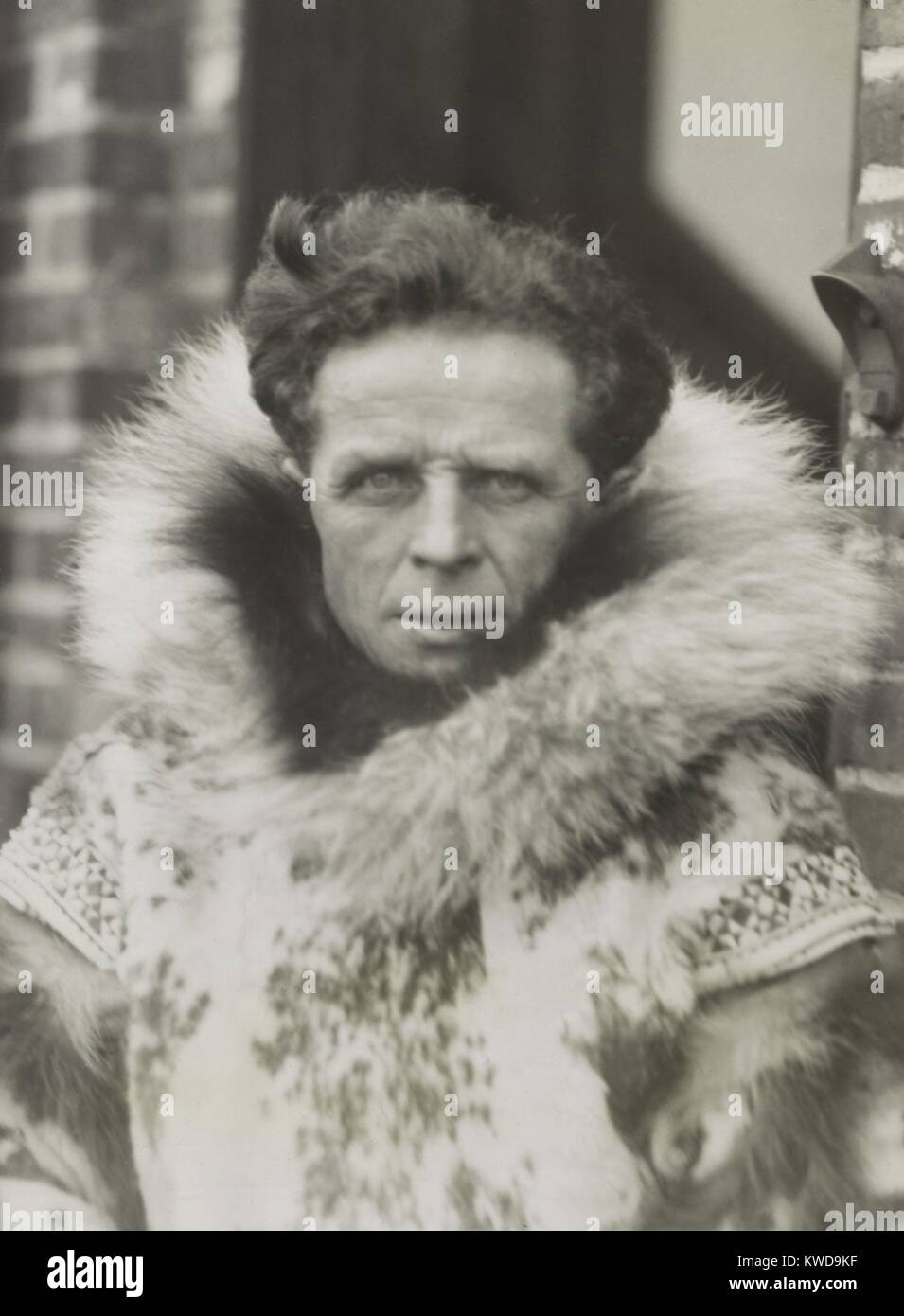
Leonhard Seppala
 Norway
explorer•dogsled musher•gold miner
誕生日
September 14, 1877
星座
Virgo
出生地
Lyngen Municipality, Troms, Norway
年齢
89歳で死去
概要
生い立ちと背景
セパラはノルウェー北部のリンゲンで生まれ、トルネダリア人の鍛冶屋で漁師のイサク・セパラとアン・ヘンリッケ・ヘンリクスダッターの長男でした。彼の姓はフィンランド語の「seppä」(鍛冶屋)に由来し、クヴェン人の遺産を反映しています。彼が2歳のとき、一家は小さな島スキェルヴォイアに移り、そこで父を手伝って育ちました。当初は鍛冶屋になるつもりでしたが、友人のヤフェト・リンデバーグに説得され、アラスカのノームで金鉱を試すことにしました。父はその考えを嘲笑しましたが、セパラはそれでも出発しました。ノームでは、リンデバーグのパイオニア・マイニング・カンパニーで働き、犬ぞりで1日最大100マイルの物資を運びました。1913年、リンデバーグは彼に、ロアール・アムンセンの中止された北極探検のために用意されていたシベリア犬の群れを与えました。その贈り物がすべてを変えました。
キャリアの歩み
セパラは1914年に初めてオール・アラスカ・スイープステークスに出場しました。1915年にベテランのスコッティ・アランを2時間差で破って優勝し、その後1916年と1917年にも優勝しました。その後レースは中止され、彼は3度のチャンピオンとなりました。1925年1月、ノームでジフテリアが発生しました。セパラの8歳の娘シグリッドがそこにいました。彼は血清を受け取るためにネナナへ派遣され、トーゴをリード犬として東へ向かいました。ノートン湾を割れる氷の上を横断し、261マイルを一気に走り、血清を次のミュージシャンに手渡しました。全体として、セパラとトーゴはリレーの中で最も長く最も危険な区間を走りました。この走行の後、彼は犬と共にアメリカを巡業し、シベリアン・ハスキーを一般に紹介しました。後にアラスカに定住し、亡くなるまで犬の繁殖とレースを続けました。
キャリア年表
公的イメージとスタイル
名声とファンダム
Leonhard Seppala commands a global audience defined by historical reverence rather than modern celebrity churn, with his legacy tracked across media coverage, search patterns, and cultural consumption signals worldwide. Per the iFANN Global Fame Rankings, he holds the position of the 20th most famous person from Norway, a placement that has remained steady since the previous cycle.
The scope of this recognition is anchored in the enduring mythos of the 1925 serum run, where Seppala and his lead dog Togo traversed the most perilous leg of the relay. While popular culture often conflates his story with that of Balto, historical scrutiny and recent documentaries have sharpened the focus on Seppala's specific contribution to saving Nome. This shift in narrative has sustained his relevance among historians and sled dog enthusiasts alike.
Regarding his fanbase, no formal name or organized community structure exists for Seppala. There are no official monikers like "Seppalians," nor do fans engage in chart pushes or birthday campaigns typical of contemporary icons. Instead, his supporters consist of historical preservationists, mushing purists, and Alaskan locals who view him as a foundational figure of northern heritage. The closest equivalent to a dedicated fan project is the grassroots campaign launched in 2018 to restore his historic home in Nome, driven by a desire to maintain physical artifacts of his life rather than commercial promotion. His relationship with the public remains strictly professional and geographical, rooted in the respect accorded to a local hero whose athletic prowess and breeding innovations reshaped the Arctic landscape.
興味深い事実と伝説
Leonhard Seppala introduced the Siberian Husky breed to America entirely through his dogs, establishing a lineage that persists today. He trained his team year-round, utilizing carts during snow-free months to maintain their conditioning. Although his dog Balto, born at his kennels and named after Sami explorer Samuel Balto, achieved greater fame in popular culture, Seppala consistently regarded Togo as the true hero. Togo was initially rejected for being too small and weak, given away as a puppy before returning to prove his worth.
Historical records indicate that Seppala castrated Balto at six months old, following Inuit tradition because he considered the dog subpar compared to Togo; this detail adds a layer of tragic realism to the folklore surrounding the two canines. Seppala also authored an unpublished autobiography detailing his experiences with Togo and the serum run. His legend is further cemented by his victory in the 1914 All-Alaska Sweepstakes, which established his reputation as a master musher prior to the 1925 race.
The narrative of the serum run underwent significant correction in the early 21st century. For decades, the public credited Balto as the sole hero due to being the final dog to enter Nome where the press waited. However, recent scholarship and media coverage have clarified that Seppala and Togo traveled the farthest and most dangerous route, covering nearly 700 miles across shifting sea ice in temperatures reaching -85°F. This distinction has moved the historical record from the "Balto myth" back to the "Seppala-Togo reality," ensuring the true scope of their heroic effort is recognized.
家族と私生活
注目の関係
恋愛関係と交際歴
- 既婚Constance Seppala1910 - 19671910年代に結婚。娘シグリッドが1人。コンスタンスはセッパラより長生きした。
死去とその後
死没
January 28, 1967 (89歳没)
死没地
不明
死因
不明
Tributes from peers and institutions marked the passing of Leonhard Seppala, recognizing his enduring legacy as one of Alaska's foremost mushers and a central figure in the 1925 serum run to Nome. On January 28, 1967, at the age of 89, the Norwegian-born explorer passed away, though the specific location of his final days and the official medical cause remain unrecorded in available documentation. Details regarding the funeral service, burial location, or immediate family statements have not been preserved in the historical record.
Posthumous recognition has since expanded through induction into the Alaska Sports Hall of Fame and renewed attention following the 2019 Disney film Togo, which featured Willem Dafoe portraying the musher. The Seppala Siberian Husky breed remains a distinct line, and the "Seppala" name is synonymous with sled dog excellence. Citizens have sought to save his historic blue house in downtown Nome as recently as June 2018, indicating ongoing efforts to maintain his physical legacy.
総資産(遺産評価額)
$1 Million
iFANN編集チームによる推定
As a historical figure who passed away in 1967, Leonhard Seppala left behind a modest estate managed informally through various historical societies. During his lifetime, his income was derived primarily from gold mining, competitive sled dog racing, and touring exhibitions with his canine teams. Posthumous revenue streams include licensing fees associated with the 2019 Disney film Togo, royalties from books documenting his life, and contributions to museum exhibits featuring his equipment and history.
iFANN currently estimates the total value of his estate at $1 Million. This figure reflects a valuation based on cultural significance and historical impact rather than active commercial enterprise. The assessment incorporates ongoing interest in his legacy, particularly around the anniversary of the serum run, but excludes speculative market fluctuations. As of 2026, the estate maintains this standing, serving as a testament to the enduring appreciation of his contributions to Alaskan history and the sport of mushing.
受賞 (3)
セッパラはオールアラスカ・スイープステークスを3年連続(1915-1917)で制した。1932年冬季オリンピックにデモンストレーション競技として参加した。レオンハルト・セッパラ人道賞は彼の名を冠している。
1917 · 犬ぞりレース
All Alaska Sweepstakes
1916 · 犬ぞりレース
All Alaska Sweepstakes
1915 · 犬ぞりレース
All Alaska Sweepstakes
代表作
1925 Serum Run to Nome
1925 · Musher
All Alaska Sweepstakes
1915 · チャンピオン
Togo (2019 film)
2019 · 題材
キーワード
出典
クイック情報
- 職業
- explorer, dogsled musher, gold miner
- 生年月日
- September 14, 1877
- 出生地
- Lyngen Municipality, Troms, Norway
- 死没
- January 28, 1967
- 死没地
- Seattle, Washington, USA
- 性別
- 男性
- 星座
- Virgo
- 配偶者
- Constance Seppala
- Children
- Sigrid Seppala
個人情報
- 本名
- Leonhard Seppala
- 配偶者
- Constance Seppala
- 子ども
- Sigrid Seppala
フィルモグラフィー
1
合計
1
映画
0
テレビ
よくある質問
レオンハルト・セッパラは何歳で亡くなったか?
レオンハルト・セッパラに子供はいたか?
レオンハルト・セッパラ人道賞とは?
レオンハルト・セッパラはオリンピックに出場したか?
レオンハルト・セッパラの有名な犬は?
ソーシャルメディア
似た人物
コミュニティに参加
人のファンが話題に