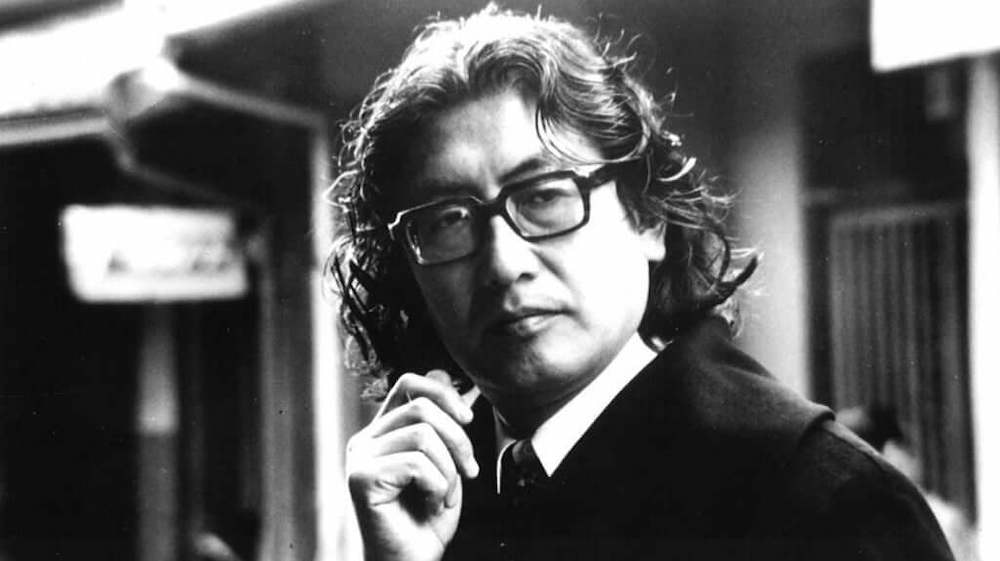
Nagisa Ōshima
 Japan
Japanfilm director•screenwriter•producer
誕生日
March 31, 1932
星座
Aries
出生地
Kyoto, Japan
年齢
80歳で死去
概要
大島渚は、1959年から1999年の間に23本の長編映画を監督した日本の映画監督、脚本家、プロデューサーです。彼は、大胆で政治的に鋭いストーリーテリングで従来の映画に挑戦したムーブメント、日本ニューウェーブの中心人物として最もよく知られています。大島の作品は、タブーとされる主題、若者の反抗、性、死刑、社会的差別を、揺るぎない視線でしばしば探求しました。彼の最も有名な映画には、実際の犯罪事件に基づく露骨なエロティックドラマ『愛のコリーダ』(1976年)や、デヴィッド・ボウイ主演の戦争ドラマ『戦場のメリークリスマス』(1983年)があります。彼は『愛の亡霊』(1978年)でカンヌ国際映画祭グランプリを受賞し、世界の映画に多大な影響を与え続けています。今日、彼の映画は芸術的リスクと文化的影響について研究され、回顧展も観客を魅了し続けています。
生い立ちと背景
大島渚は1932年に京都で、政府高官の息子として生まれました。父親は大島が幼い頃に亡くなり、厳格な家庭で母親に育てられました。彼は名門東京大学に進学し、1954年にフランス文学の学位を取得して卒業しました。文学と哲学の学問的バックグラウンドが、映画への知的アプローチを形成しました。大学卒業後、1954年に松竹撮影所に助監督として入社し、野村芳太郎などの監督のもとで働きました。この時期、彼はスタジオシステムの技術を吸収する一方、その保守的な規範に次第に不満を募らせました。脚本を書き、短編映画を監督しましたが、初の長編映画『愛と希望の街』(1959年)は低予算の作品で、伝統からの脱却を示すものでした。この作品の階級格差と若者の幻滅への焦点が、日本ニューウェーブへの爆発的な登場の舞台を整えました。
キャリアの歩み
大島のブレイクスルーは1960年の『青春残酷物語』で、10代の反抗と性を生々しく描き、日本ニューウェーブの金字塔となりました。続いて、大阪のスラム街を舞台にした暗い物語『太陽の墓場』(1960年)を発表。これらの作品は、彼の挑発的な評判を確立しました。1968年、死刑と反韓国人差別を風刺したシュルレアリスム作品『絞死刑』がカンヌで上映され、国際的な注目を集めました。最も物議を醸した作品『愛のコリーダ』(1976年)は、強迫的な愛を露骨に描き、世界中で検閲との闘いに直面しました。それは芸術的自由のための象徴的な事件となりました。大島は罪悪感と欲望に根ざした幽霊物語『愛の亡霊』(1978年)でカンヌグランプリを受賞。1983年には、坂本龍一とデヴィッド・ボウイ主演の英語作品『戦場のメリークリスマス』を監督し、世界的成功を収めました。最後の映画『御法度』(1999年)は、男色の緊張を探求した侍ドラマでした。キャリアを通じて、大島は一貫して限界を押し広げ、称賛と悪名の両方を獲得しました。
キャリア年表
公的イメージとスタイル
大島は日本映画のアンファン・テリブルと広く見なされていました。批評家や観客は彼を、社会的偽善に対する武器として映画を使う急進派と見なしていました。彼の公の人物像は、知的で挑発的、明晰で対立的、スキャンダルを恐れないものでした。メディアの報道はしばしば『愛のコリーダ』をめぐる検閲闘争に焦点を当て、彼を表現の自由の擁護者として位置づけました。映画愛好家の間では、彼は形式上の大胆さと、タブーな主題を真剣さと芸術性をもって扱う姿勢で賞賛されています。公式なファンダム名はありませんが、彼の作品はアートハウスや学術界で熱心な支持を得ています。ドキュメンタリー的リアリズムとシュルレアリスムを混ぜ、長回しと固定ショットを用いる彼のスタイルは、クエンティン・タランティーノやパク・チャヌクなどの監督に影響を与えました。
名声とファンダム
Nagisa Ōshima never cultivated a traditional fanbase with a formal name, organized rituals, or dedicated campaigns. His legacy rests entirely within the sphere of film scholars, critics, and cinephiles who engage with his radical work through academic discourse rather than mass-market worship. Unlike modern pop icons whose followers fund billboards or chart pushes, Ōshima's audience treated his films as provocative political statements and artistic challenges to the Japanese establishment. He famously declared a hatred for the status quo of Japanese cinema, a stance that alienated casual viewers while cementing his reputation among those seeking intellectual confrontation. The iFANN Global Fame Engine evaluated this figure in August 2026 and determined that he does not currently hold a placement in the published rankings, including the Global Top 1,000 or any scope-specific top-100 lists. This absence of a numeric rank reflects his status as a historical avant-garde filmmaker rather than a contemporary celebrity with active global consumption signals. While his films like In the Realm of the Senses generated significant media coverage and censorship battles during their release, these events did not translate into sustained fandom metrics required for current ranking inclusion. The lack of a documented fandom name further distinguishes his cultural footprint from figures who maintain active communities today. His influence persists through retrospectives and the enduring study of his filmography, but he remains outside the dynamic, ranked ecosystem of living celebrities monitored by iFANN. The evaluation confirms that while his name carries weight in film history, it does not currently generate the volume of public interest necessary to secure a position on the global fame charts.
興味深い事実と伝説
Ōshima's film In the Realm of the Senses was based on the 1936 Sada Abe incident, a real murder case in Japan. The film was seized by customs in several countries and banned outright in Japan until a heavily censored version was allowed. He was a vocal critic of the Japanese emperor system and left-wing politics, which influenced many of his films. Ōshima once said he wanted to make films that were "like a bomb thrown into the audience." He directed only one English-language film, Merry Christmas, Mr. Lawrence, which featured a score by Ryuichi Sakamoto that became iconic. Despite his reputation for difficult subject matter, Ōshima was known personally as a gentle and soft-spoken man. He survived a stroke in 1995 but continued working until his final film in 1999. A central legend in film history surrounds his role in dismantling the conservative Japanese film industry, where he consistently exposed the contradictions of postwar society. His 1978 victory at the Festival de Cannes for Best Director solidified his international reputation and validated his radical approach on the world stage. Several of his films became legendary for their disruptive nature upon release, effectively acting as incidents that sparked national debate. Cruel Story of Youth is frequently cited as a defining work of the Blank Generation and a catalyst for youth rebellion. The definitive end to his life story occurred on January 15, 2013, marking him as a historical figure whose legends are now part of film history.
注目の発言
“I am not interested in making films about the past. I am interested in making films about the present.”
“The world is a strange place, and cinema is a strange art. I try to reflect that strangeness.”
“A film should be like a bomb thrown into the audience.”
家族と私生活
大島は女優の小山明子と結婚し、彼女は『絞死刑』や『少年』など彼のいくつかの作品に出演しました。二人の間には一男一女が生まれました。大島は家庭を公のイメージから切り離す、プライベートな家庭人として知られていました。彼は神奈川県藤沢市に住み、2013年に亡くなるまでそこに暮らしました。妻の明子は存命で、子供たちは公の場にほとんど姿を現していません。
注目の関係
大島は俳優の藤竜也と頻繁にコラボレーションし、彼は『愛のコリーダ』と『愛の亡霊』に主演しました。作曲家の坂本龍一は『戦場のメリークリスマス』の音楽を担当し、出演もしました。大島の妻、小山明子は彼のいくつかの作品に出演しました。彼は日本ニューウェーブのもう一人の監督、今村昌平と同時代でライバル関係にありました。
恋愛関係と交際歴
大島渚は女優の小山明子と結婚していた。二人は彼の初期の映画制作中に出会い、1960年代初頭に結婚した。二人の間には2人の子供がおり、2013年に大島が亡くなるまで結婚生活を続けた。他の公的な関係は記録されていない。小山は彼のいくつかの作品、『絞死刑』や『少年』などに出演した。二人の関係は個人的かつ仕事上のものであり、小山は自身の女優業を続けながら大島のキャリアを支えた。
- 既婚Akiko Koyama1960 - 2013大島の初期の映画キャリアで出会い、彼のいくつかの作品に出演した。二人の間には2人の子供がいる。
死去とその後
死没
January 15, 2013 (80歳没)
死没地
不明
死因
不明
Nagisa Ōshima, the pioneering Japanese film director and a central figure of the Japanese New Wave, died on January 15, 2013. He was 80 years old at the time of his passing,. Consequently, there is no available information in these sources regarding a hospital statement, family announcement specifying the cause, coroner's ruling, autopsy findings, or an inquest to establish the manner of death. Furthermore, reports do not specify his last public appearance or events leading up to his death, leaving the nature of his final days unconfirmed in the provided text. In terms of public reaction, the search results indicate that Ōshima was widely recognized as one of Japan's most important filmmakers, often cited as the most significant after Akira Kurosawa.
He was celebrated for tackling taboos and politically charged subjects with stylistic flair and was a recipient of the Best Director Award at the Festival de Cannes in 1978. Tributes from institutions are implied by the continued screenings of his work, such as a series of eight films presented by Anthology Film Archives in July following his death, and retrospective programming by the Harvard Film Archive. However, the provided text does not list specific fan vigils, chart surges, moments of silence, memorial murals, or detailed statements from peers and officials immediately following his death.
Information concerning the funeral or memorial service, including its date, location, whether it was public or private, notable attendees, performances, and burial or cremation details, is absent from the provided search results. Posthumously, Ōshima's legacy continues through the preservation and re-screening of his filmography, including collections by The Criterion Collection and ongoing academic and archival interest,. The handling of his estate remains unreported in the provided text.
総資産(遺産評価額)
$10 Million
iFANN編集チームによる推定
Per iFANN's editorial analysis, the estate of Nagisa Ōshima is valued at an estimated $10 Million as of 2026. His wealth accumulated primarily through his extensive film career, encompassing directing fees, screenwriting credits, and production earnings. Merry Christmas, Mr. Lawrence stood as his most commercially successful project, grossing over $10 million worldwide. Royalties derived from home video releases and streaming of his films, particularly In the Realm of the Senses, continue to generate income for his heirs. The estate is managed by his family, and occasional retrospectives and re-releases contribute to its overall value. Ōshima also earned revenue from teaching and writing, though these sources remained minor compared to his film revenues.
受賞 (4)
大島は1978年に『愛の亡霊』でカンヌ国際映画祭グランプリを受賞した。また、日本の映画団体から最優秀監督賞を3回受賞しており、ブルーリボン賞、キネマ旬報賞、毎日映画コンクールのすべてを同作品で受賞した。彼の作品はカンヌなどで頻繁にノミネートされたが、これらの4つの受賞が主要な競争賞である。
1978 · 最優秀映画賞
Empire of Passion
1979 · 最優秀監督賞
Empire of Passion
代表作
In the Realm of the Senses
1976 · Director, Screenwriter
Merry Christmas, Mr. Lawrence
1983 · Director, Screenwriter
Cruel Story of Youth
1960 · Director, Screenwriter
Death By Hanging
1968 · Director, Screenwriter
Empire of Passion
1978 · Director, Screenwriter
キーワード
クイック情報
- 職業
- film director, screenwriter, producer
- 生年月日
- March 31, 1932
- 出生地
- Kyoto, Japan
- 死没
- January 15, 2013
- 死没地
- Fujisawa, Japan
- 性別
- 男性
- 配偶者
- Akiko Koyama
- 星座
- Aries
- Education
- University of Tokyo
個人情報
- 本名
- Nagisa Ōshima
- 配偶者
- Akiko Koyama
- 学歴
- University of Tokyo (French literature)
フィルモグラフィー
23
合計
23
映画
0
テレビ
よくある質問
大島渚は何歳で亡くなりましたか?
大島渚の最も有名な映画は何ですか?
大島渚はどのような賞を受賞しましたか?
大島渚は誰と結婚していましたか?
大島渚はまだ生きていますか?
コミュニティに参加
人のファンが話題に