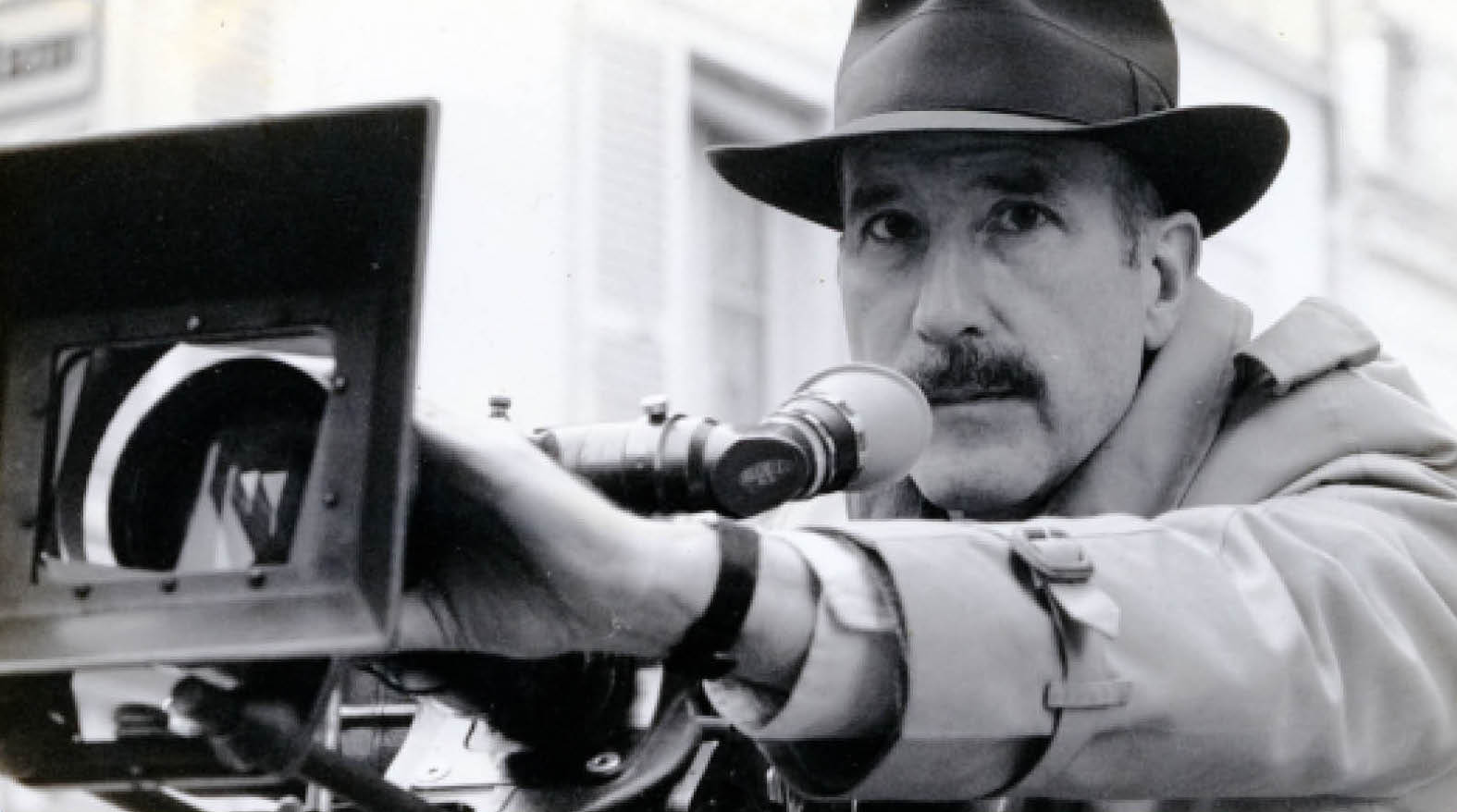
Néstor Almendros
 Spain
cinematographer•film director•actor
Also known as: Néstor Almendros Cuyás
誕生日
October 30, 1930
星座
Scorpio
出生地
Barcelona, Spain
年齢
61歳で死去
概要
ネスター・アルメンドロス・クヤスは、自然主義的な照明と飾り気のない映像スタイルで20世紀後半の映画を変革したスペインの撮影監督でした。1930年10月30日にバルセロナで生まれた彼は、フランコ政権下でスペインを逃れ、最終的にフランスに定住し、そこでフレンチ・ニュー・ウェーブの主要人物となりました。30年以上にわたるキャリアの中で、彼は50本以上の映画を撮影し、フランソワ・トリュフォー、エリック・ロメール、ロバート・ベントンなどの監督と協力しました。彼の作品は、テレンス・マリック監督の『天国の日々』で撮影監督賞を受賞しました。この映画は、その光り輝くゴールデンアワーの撮影で称賛されています。アルメンドロスは1992年3月4日、61歳でニューヨーク市で亡くなり、世界中の撮影監督に影響を与え続ける作品群を残しました。
生い立ちと背景
アルメンドロスは、強い反フランコ主義の家庭にバルセロナ、スペインで生まれました。共和党支持者であった彼の父は、スペイン内戦後に亡命し、18歳でネスターは彼に会うためにキューバに移住しました。そこで彼は写真と映画に初期から興味を持ち、最初のアマチュア映画を撮影し、島の活気ある視覚文化を吸収しました。後にローマに移り、チェントロ・スペリメンターレ・ディ・シネマトグラフィアで映画製作を学び、そこで技術的な基礎を習得しました。キューバとローマでの時間は、自然光とドキュメンタリーのような真正さを好む彼の美学を形作りました。1950年代後半までに、彼はフランスに移り、そこでカメラアシスタントとして、そして最終的には短編映画の撮影監督として働き始め、自らを、自発性とリアリズムを重視する新進のフレンチ・ニュー・ウェーブ監督たちと結びつけました。
キャリアの歩み
アルメンドロスのブレークスルーは、1963年の『モンソーのパン屋』から始まるエリック・ロメールとのコラボレーションを通じて訪れ、その後も「 ومع ذلك، فإن حياته المهنية السينمائية لم تبدأ إلا بعد أن عاشت عائلته في منفى في كوبا.」シリーズへと続きました。ロメールの『モード蘭の夜』(1969年)や『クレールの膝』(1970年)などの作品で、彼は利用可能な光で親密で自然主義的なシーンを捉える能力を示しました。その後、フランソワ・トリュフォーと『野性の少年』(1970年)で組み、後に『最後のメトロ』(1980年)などでも協力しました。彼の評判は国際的に高まり、テレンス・マリック監督の『天国の日々』(1978年)での仕事につながり、アカデミー撮影監督賞を受賞しました。また、『クレイマー、クレイマー』(1979年)や『ソフィーの選択』(1982年)も撮影し、アメリカ映画における彼の多才さを示しました。視力が低下しても、彼は亡くなるまで働き続け、視覚的に個性的な映画の遺産を残しました。
キャリア年表
公的イメージとスタイル
名声とファンダム (iFAMOUS Rankings)
Néstor Almendros remains a towering figure in cinema history, revered not for celebrity antics but for his revolutionary approach to natural light. Despite his profound influence on the French New Wave and his Academy Award win for Days of Heaven, iFANN's Global Fame Engine has evaluated this person, but they do not currently hold a placement in the published rankings (Global Top 1,000 or a Top-100 scope list). This absence from global celebrity lists reflects his role as a craftsman rather than a front-facing icon; his fame is concentrated within academic circles, film schools, and among professional cinematographers who study his work as foundational text. There is no formal fandom name documented for Néstor Almendros, nor is there an organized fanbase that identifies itself by a specific moniker like 'Almendrosians'. The audience that keeps his legacy alive consists of historians, students, and industry peers who analyze his refusal to use artificial lighting as a masterclass in visual storytelling. While pop stars generate viral moments and fan clubs, Almendros' followers engage through scholarly preservation and the continued teaching of his techniques. His films remain staples in university curricula, and archives like the Criterion Collection ensure his work endures without the need for grassroots fan campaigns. The reverence he commands is quiet but deep, rooted in the story of him completing Days of Heaven while legally blind, a reflection of his dedication that resonates with anyone who understands the art of seeing.
興味深い事実と伝説
Néstor Almendros was known for his dislike of artificial lighting, often using only a single bounce card to shape sunlight. He wrote a book, A Man with a Camera, detailing his approach to cinematography. He was fluent in Spanish, French, and English, which eased his international career. He had a passion for painting, and his visual compositions were often inspired by artists like Vermeer and Hopper. He also directed two feature films, Gente de mar (1977) and Le fils d'Amr est mort (1975), though they are less known than his camera work. A central legend surrounding his career involves his work on Days of Heaven, where he insisted on filming despite severe vision loss caused by diabetes, completing the masterpiece while legally blind. Another enduring story highlights his mastery of available light, where he would wait hours for the perfect sun angle rather than setting up complex studio rigs, effectively changing how light was used in cinema. These tales are widely retold in film schools as verified historical facts about his technical genius.
注目の発言
“I try to use natural light as much as possible, and to let the sun be my main source.”
“The camera is a tool, but the eye is the true artist.”
“I like to imagine how the light would fall in a room, and then I wait for the right moment.”
家族と私生活
注目の関係
恋愛関係と交際歴
死去とその後
死没
March 4, 1992 (61歳没)
死没地
New York City
死因
AIDS-related complications
Néstor Almendros Cuyás died on March 4, 1992, in New York City at the age of 61. He had been suffering from complications related to AIDS for some time prior to his passing, a condition widely known within the film industry yet kept private during that era. His final days were marked by declining health, though he had managed to complete significant work on Terrence Malick's Days of Heaven while his vision was deteriorating due to the disease. The death was treated as a natural cause resulting from illness. Public reaction focused heavily on tributes from his peers and the cinematic community, who recognized him as one of the most highly appraised cinematographers of his generation.
Colleagues remembered his mastery of natural light and his collaborations with French New Wave directors like Eric Rohmer and François Truffaut, as well as his Academy Award win for Days of Heaven. While specific details regarding the date, location, or attendees of a funeral service remain absent from available records, his legacy has endured through various retrospectives and ongoing academic discussions about his lighting techniques. In the years following his death, Almendros has been honored through educational programs in film schools and publications like Film Comment and The Hollywood Reporter. A recent reconstruction of his formative film school experience in Rome indicates that academic interest in his life and career continues to grow.
総資産(遺産評価額)
$5 Million
iFANN編集チームによる推定
As Néstor Almendros passed away in 1992, his net worth is estimated based on his estate and the ongoing royalties from his films. At the time of his death, he had earned a modest income from his cinematography work, with salaries ranging from $50,000 to $200,000 per film. His estate continues to receive residuals from his filmography, including popular titles like Days of Heaven and Kramer vs. Kramer . Per iFANN's editorial analysis, his estate is valued at approximately $5 million as of 2026. This figure accounts for the licensing of his work for streaming, home video, and educational use, as well as the posthumous publication of his book A Man with a Camera .
受賞 (6)
アルメンドロスは1978年に『天国の日々』で撮影監督賞を受賞し、その功績は彼の評価を確固たるものにしました。彼はまた、同作品で全米映画批評家協会賞撮影賞を受賞しました。『クレイマー、クレイマー』と『ソフィーの選択』での仕事で英国アカデミー賞にノミネートされましたが、受賞はしませんでした。また、1993年にはカメリンゲでゴールデングロッグを受賞し、撮影監督としての貢献が死後も認められました。
1978 · 最優秀撮影賞
Days of Heaven
1978 · 最優秀撮影賞
代表作
Days of Heaven
1978 · 撮影監督
My Night at Maud's
1969 · 撮影監督
Kramer vs. Kramer
1979 · 撮影監督
Sophie's Choice
1982 · 撮影監督
The Wild Child
1970 · 撮影監督
キーワード
出典
クイック情報
- 職業
- cinematographer, film director, actor
- 生年月日
- October 30, 1930
- 出生地
- バルセロナ, スペイン
- 死没
- March 4, 1992
- 死没地
- ニューヨーク市、アメリカ合衆国
- 性別
- 男性
- 星座
- Scorpio
個人情報
- 本名
- Néstor Almendros Cuyás
フィルモグラフィー
50
合計
45
映画
5
テレビ
よくある質問
ネストル・アルメンドロスは何で知られていますか?
ネストル・アルメンドロスの最も有名な作品は何ですか?
ネストル・アルメンドロスはどこで生まれましたか?
ネストル・アルメンドロスはオスカーを受賞しましたか?
ネストル・アルメンドロスはいつ亡くなりましたか?
似た人物
コミュニティに参加
人のファンが話題に