
 Germany
概要
生い立ちと背景
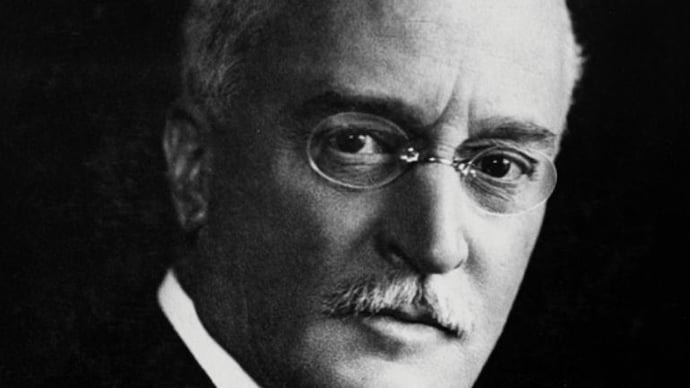
ドイツの発明家、機械技術者であるルドルフ・クリスチャン・カール・ディーゼルは、1858年3月18日にフランス・パリで、当地に移住したバイエルン出身の両親のもとに生まれました。幼少期をパリで過ごし、1867年のパリ万国博覧会で初期の内燃機関を目にしたことが転機となりました。この体験が、エンジン効率向上への生涯にわたる情熱を呼び起こしました。1870年、普仏戦争が勃発すると、一家はロンドンへ逃れることを余儀なくされました。しかし、若きルドルフはバイエルンのアウクスブルクにある親戚の家に送られ、教育を続けました。彼は数学と機械工学で優秀な成績を収め、ミュンヘンの名門王立バイエルン工科大学(現在のミュンヘン工科大学)への奨学金を得ました。そこで、冷凍技術の先駆者であるカール・フォン・リンデ教授の指導のもと、さらにエンジニアリングの才覚を磨きました。
1880年に卒業後、ディーゼルはパリに戻り、リンデの製氷機会社で専門職として働き始め、高度な冷凍システムの設計を担当しました。職業上の責務と並行して、個人の研究にも熱心に取り組み、熱機関の実験や、太陽熱空気エンジンなどの革新的なアイデアをスケッチしました。1890年にはキャリアの場をベルリンに移し、リンデの技術事務所の所長を務めました。しかし、より効率的なエンジンを作りたいという私的な執念はさらに強まり、当時の蒸気機関のわずか10%の効率を超えたいという深い願いに駆られ、様々な燃料で動作し、はるかに高い効率を実現するエンジンの完成に数年を捧げました。
キャリアの歩み
1892年、ディーゼルは圧縮着火エンジンの特許を出願し、1893年8月までにアウクスブルクで自力運転する試作機を完成させました。最初のモデルは、フライホイールを備えた高さ10フィートの単一鉄製シリンダーでした。その後数年間で設計を改良し、1896年には理論効率75%のエンジンを実演しました。1897年、実用的な25馬力、4ストローク、単気筒垂直シリンダーエンジンを発表し、信頼性の高い動作を実現しました。1898年までにディーゼルは百万長者となり、ヨーロッパと北米のメーカーに特許をライセンス供与しました。彼のエンジンはパイプライン、発電所、船舶、工場で急速に採用されました。ディーゼルはまた、社会や技術に関する広範な執筆や講演を行い、労働条件の改善に自らのエンジンを活用することを提唱しました。1913年に亡くなるまで、エンジンのバリエーション開発を続けました。
キャリア年表
公的イメージとスタイル
名声とファンダム
For a man who vanished into the English Channel over a century ago, Rudolf Diesel commands a legacy that feels less like fading history and more like a quiet, persistent hum beneath the modern world. While he lacks the frenzied adoration reserved for living pop stars or athletes, his audience is defined by a unique, global devotion to efficiency and engineering prowess. There is no formal name for this collective; fans are simply engineers, historians, and industry veterans who revere the machine that bears his name rather than the man himself. This is not a fandom of billboards or birthday campaigns, but a professional reverence where the invention speaks louder than the biography. The cultural mythology surrounding him remains anchored in the enigma of his final days, transforming a tragic disappearance into an enduring industrial legend that sparks speculation even today.
The scale of his recognition is undeniable, with his influence tracked across media coverage, search trends, and consumption signals worldwide through the iFANN Global Fame Rankings. He currently holds the position of the 21st most famous person in Automotive / Car Culture, a standing that has remained steady since the previous measurement cycle. This placement underscores how deeply his mechanical innovations remain woven into the fabric of transportation and heavy industry, ensuring his name is invoked whenever the mechanics of power are discussed.
興味深い事実と伝説
Before achieving fame with his compression-ignition engine, Rudolf Diesel experimented with a solar-powered air engine, revealing an early fascination with renewable energy sources. Beyond his technical genius, he was a polymath fluent in multiple languages who wrote extensively on the social implications of technology. Some accounts suggest he suffered near-total blindness following an accident, though this detail lacks widespread corroboration. A favorite fact among biodiesel advocates is that the first successful diesel engine ran on peanut oil rather than petroleum. His life ended in mystery when he disappeared from the steamer Dresden, fueling over a century of debate regarding whether he committed suicide due to financial ruin or was assassinated by foreign intelligence fearing the spread of his technology to Germany.
The story of his death remains the central pillar of his legend. He was last seen walking on the deck of the ship before vanishing without a trace. Only his life jacket and personal effects were found floating nearby, leaving his fate unresolved. This dramatic event has inspired literary works and conspiracy theories, positioning him as a tragic figure whose genius outpaced his ability to secure his own safety. Unlike modern celebrities whose deaths spark immediate public mourning, Diesel's legacy is defined by this cold, unexplained silence at sea.
注目の発言
“The engine that I have invented is the most efficient heat engine ever conceived.”
“I have spent my whole life trying to make the world a better place through technology.”
“The diesel engine will free humanity from the drudgery of manual labor.”
家族と私生活
注目の関係
恋愛関係と交際歴
ルドルフ・ディーゼルは、1880年代にルイーズ・マーサ・ディーゼルと結婚したとみられる。夫妻には3人の子供がいた。マーサは1913年に彼が亡くなるまで配偶者であり続けた。歴史的資料には、他の恋愛関係は記録されていない。彼の死の時点で、ディーゼルは結婚していた。
- 既婚Louise Martha Diesel1885 - 1913彼らには3人の子供がおり、彼女は彼の死後未亡人となった。
死去とその後
死没
September 30, 1913 (55歳没)
死没地
North Sea
死因
Suicide by drowning
Rudolf Diesel died on September 30, 1913, aboard the steamship Dresden in the North Sea while traveling from Antwerp to Harwich. The evening before his disappearance, he dined with fellow passengers and retired to his cabin around 10:00 PM, stating he intended to rise early to watch the sunrise. When a crew member checked his quarters at 6:00 AM, the bed was empty and the porthole stood open, with a life preserver floating nearby suggesting he had fallen or jumped into the water. His body was recovered on October 10 by the Dutch trawler Coertsen, identified only through personal effects like a wallet and spectacles case found on the remains.
An autopsy followed this identification, leading authorities to rule the cause of death as suicide by drowning based on the circumstances, though conflicting accounts regarding murder due to financial pressure or patent theft have persisted without ever being confirmed. The engineering community reacted with immediate shock and profound loss, with tributes pouring in from institutions like the British Royal Society and various German technical academies who mourned the inventor of the compression-ignition engine. Because the body was recovered weeks after the event and identification relied solely on matching items, a traditional public funeral never took place, leaving him without a marked grave or formal ceremony.
Posthumous recognition eventually emerged through the establishment of Diesel Engine Day and National Biodiesel Day, which commemorate his birth and contributions annually. Numerous works detailing his life and mysterious end have been published over the years, including Douglas Brunt's The Mysterious Case of Rudolf Diesel, ensuring his story remains part of historical discourse.
総資産(遺産評価額)
受賞 (1)
ルドルフ・ディーゼルは生前、ノーベル賞などの栄誉が彼の業績に対して与えられなかったため、主要な賞を受賞していない。死後、1958年にドイツが彼を記念する切手を発行した。彼は工学・エネルギー史の資料で広く認知されている。
1958 · 切手による顕彰
100th Birth Anniversary
代表作
Diesel Engine
1897 · Inventor
キーワード
出典
クイック情報
- 職業
- inventor, entrepreneur, engineer
- 生年月日
- +1858-03-18
- 出生地
- Paris
- 死没
- +1913-09-30
- 死没地
- 英仏海峡
- 性別
- 男性
- 配偶者
- Louise Martha Diesel
- 星座
- Pisces
- 出生地
- Paris, France
個人情報
- 本名
- Rudolf Christian Karl Diesel
- 配偶者
- Louise Martha Diesel
- 子ども
- 3
- 学歴
- Royal Bavarian Polytechnic of Munich (now Technical University of Munich)
よくある質問
ルドルフ・ディーゼルとは誰ですか?
ルドルフ・ディーゼルは何を発明したのですか?
ルドルフ・ディーゼルはどのように亡くなったのですか?
2026年のルドルフ・ディーゼルの総資産は?
ディーゼルエンジンは現在も使用されていますか?
コミュニティに参加
人のファンが話題に