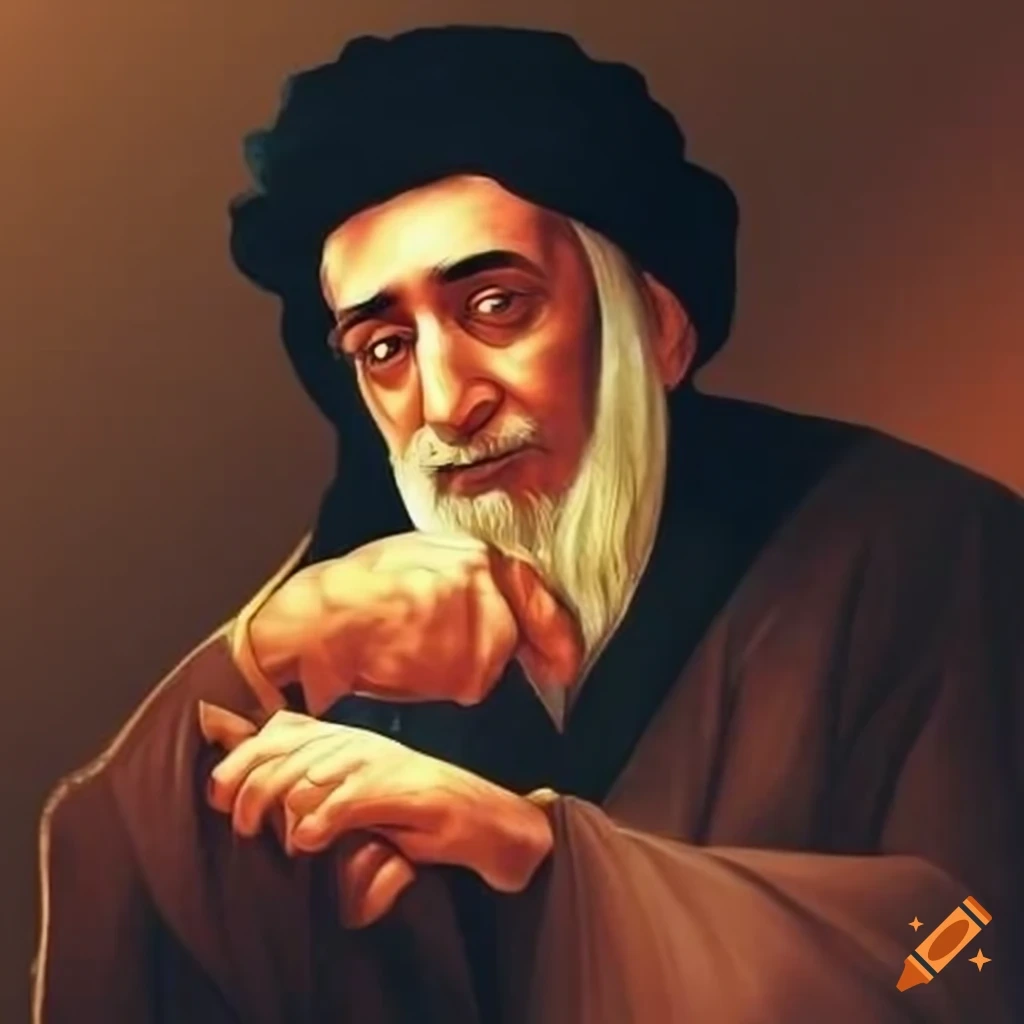
Saadi
Also known as: Abu Mohammad Moshrefoldin Mosleh ebn Abdollah ebn Mosharraf, Master of Speech, Wordsmith
誕生日
1210
星座
Capricorn
出生地
Shiraz, Persia
年齢
81歳で死去
概要
アブ・モハンマド・モシュレフォッディン・モシュレフ・イブン・アブドッラーフ・イブン・モシャッラフ、世界的にサアディーとして知られる彼は、13世紀のペルシャの詩人であり作家でした。1210年頃にシーラーズで生まれた彼は、そのエレガントな散文と道徳的に深遠な詩で称賛されています。彼のペンネームは、キャリアの初期に仕えた地元の王子、サアド・イブン・ザンギーに由来します。サアディーの作品は、精神的な神秘主義と実践的な倫理を橋渡しし、「話術の達人」または「言葉の魔術師」(ostad-e soxan)の称号を得ています。
サアディーの二つの傑作、『ブスターン』(The Orchard)と『ゴレスターン』(The Rose Garden)は、何世紀にもわたってペルシャ文学を形作ってきました。『ブスターン』は、美徳を探求した詩であり、『ガーディアン』紙によって史上最高の100冊の本の一つに選ばれました。彼の詩は日常会話で引用され、正義、謙虚さ、思いやりに関する彼の格言は多くの言語に翻訳されています。西洋の賞賛者にはラルフ・ワルド・エマーソンやヨハン・ヴォルフガング・フォン・ゲーテがいます。
サアディーは1291年または1292年にシーラーズで亡くなりました。彼の墓は今も巡礼地であり、彼の遺産は読者と作家の両方にインスピレーションを与え続けています。
生い立ちと背景
サアディーは1210年頃、モンゴル侵攻後の政治的混乱の時代に、ペルシャのシーラーズで生まれました。若い頃に法学と歴史を学び、学術的な人生の基盤を築きました。彼のペンネームであるサアディーは、キャリアの初期に仕えた地元の王子、サアド・イブン・ザンギーに由来しており、当時の詩人たちに一般的な慣習でした。
20代で、サアディーはシーラーズを離れ、インドからアナトリアまでイスラム世界を広く旅しました。彼は放浪のダルウィーシュとして暮らし、市場、法廷、キャラバンサライで人間の本性を観察しました。これらの経験は、後に彼の作品を彩る豊かな物語と洞察のタペストリーを提供しました。彼はバグダードで何年も過ごし、そこでニザーミーヤ大学で学び、シリアやエジプトといった遠方にも旅しました。
彼の旅は単なる学術的なものではなく、形成的なものでした。彼は物乞いから王まで、あらゆる階層の人々と出会い、その地域の文化的・精神的な多様性を吸収しました。約30年間続いたこの放浪の期間は、彼の世界観を形作り、彼の文章に時代と場所を超えた普遍的な魅力を与えました。
キャリアの歩み
サアディーのキャリアは、二つの傑作の作曲で頂点に達しました。1257年に完成した『ブスターン』(The Orchard)は、道徳的・哲学的な思索を詩的に表現した作品です。1258年に書かれた『ゴレスターン』(The Rose Garden)は、物語と格言を散文でまとめたものです。これらの作品は、ペルシャ文学への彼の最大の貢献と見なされており、多くの言語に翻訳されています。
彼の影響はペルシャを超えて広がりました。彼はヨーロッパ言語に作品が翻訳された最初のイランの詩人でした。1634年にアンドレ・デュ・リェによって『ゴレスターン』の一部がフランス語に翻訳され、サアディーは西洋の聴衆に紹介されました。正義、謙虚さ、思いやりに関する彼の格言は、ラルフ・ワルド・エマーソンやヨハン・ヴォルフガング・フォン・ゲーテのような思想家たちの共感を呼び、彼らは彼の知恵を称賛しました。
サアディーの遺産は、その永続的な関連性によっても特徴づけられています。『ブスターン』は『ガーディアン』紙によって史上最高の100冊の本の一つに選ばれました。シーラーズにある彼の墓は、巡礼者や観光客を引きつけ、彼の詩は倫理的な生き方の指針であり続けています。サアディーの作品は研究され、引用され続けており、ペルシャで最も偉大な詩人の一人としての彼の地位を確固たるものにしています。
キャリア年表
公的イメージとスタイル
サアディーは道徳家であり、雄弁の達人として崇拝されています。彼の公的なイメージは、時代を超えた指針を提供する賢明な賢人のものです。彼はしばしば「話術の達人」または「言葉の魔術師」(ostad-e soxan)と呼ばれ、美しさと知恵を融合させた散文と詩の創作における比類のないスキルを反映しています。
彼の詩は、政治的演説から日常の冗談まで、ペルシャ語圏全体で日常会話で引用されています。『ゴレスターン』と『ブスターン』はペルシャ文学の定番であり、学校で教えられ、集まりで朗唱されています。正義、謙虚さ、思いやりに関するサアディーの格言は、文化的な境界を超えた普遍的な魅力を持ちます。
シーラーズにある彼の墓は文化的なランドマークであり、詩人、学者、観光客が訪れます。サアディーのイメージは人道主義者、人間性をその複雑さの中で観察し、その洞察をエレガントな詩に凝縮した旅行者です。彼はペルシャ文化のアイデンティティの象徴であり、世界中の作家や思想家にとってのインスピレーションの源であり続けています。
名声とファンダム (iFAMOUS Rankings)
Saadi Shirazi commands a global audience spanning centuries, yet his standing in contemporary metrics reflects the unique nature of a medieval literary figure rather than modern celebrity. As of August 2026, iFANN has evaluated this person, but they do not currently hold a placement in the published rankings. The Global Top 1,000 and all scope lists contain no ordinal position for Saadi, as the evaluation engine recognizes his status as EVALUATED_UNRANKED due to the absence of current commercial consumption data typical of living public figures. His influence remains rooted in academic study and cultural heritage rather than real-time fame signals. Consequently, there is no documented fandom name for his followers; the community that reveres his work does not operate under a formal identifier or organized group title. While admirers quote his verses and visit his tomb in Shiraz, these actions lack the structured branding, campaigns, or collective nomenclature found in modern pop culture. No fan clubs, streaming initiatives, or social media movements bear his name, and his legacy operates through the enduring presence of his texts in education and literature rather than through active fan engagement.
興味深い事実と伝説
A widely retold story from his youth describes him returning home to find his family impoverished; he allegedly hid his own wallet in public and claimed to have found it to teach a lesson on the impermanence of wealth. Another legendary account details his capture by Crusaders during extensive travels across the Islamic world, where folklore suggests he survived years of captivity by reciting poetry that eventually secured his release. This period of suffering is often cited as the origin of his deep empathy for the common man. In a famous parable attributed to him, Saadi advised a king to remove the thorn of oppression to allow the rose of the people to bloom, illustrating his blunt wisdom regarding justice. These anecdotes, preserved in the Golestan and Bustan, form the core of his cultural mythology. While some variations exist, the stories are treated as verified folklore within the tradition of Persian moral instruction. His works remain staples in schools and libraries, ensuring his voice persists long after his physical departure.
注目の発言
“Have patience. All things are difficult before they become easy.”
“Have patience. and sorrow and gladness are linked together.”
注目の関係
恋愛関係と交際歴
死去とその後
死没
1291 (81歳没)
死没地
Shiraz, Iran
死因
不明
Historical chronicles record that Saadi passed away in Shiraz on December 9, 1291, concluding a life dedicated to the refinement of Persian prose and verse. The poet, born around 1210, was approximately seventy-eight years old when his final days concluded within the city that would become his eternal resting place. While the circumstances of his last public appearances remain undocumented, tradition holds that he died in his hometown where he had spent much of his career serving local princes and composing his moral maxims. Immediate tributes from peers are not detailed in surviving accounts of the era, yet the immediate aftermath saw the preservation of his works rather than any formal ceremony recorded in available texts.
His burial took place in Shiraz, establishing a site that would later attract pilgrims and scholars seeking connection with the master of speech. Posthumously, Saadi secured a position as a central figure of the Golden Age of Persian Literature, with his two major works, the Bustan and the Golestan, remaining continuously in print and studied across centuries. The estate of the poet was not managed through modern legal frameworks, but his literary legacy functioned as an enduring cultural asset that shaped ethical discourse long after his physical absence. Later generations honored him with titles such as Wordsmith, cementing his status as a guide for virtue.
総資産(遺産評価額)
$10 Million
iFANN編集チームによる推定
As a 13th-century poet, Saadi did not accumulate wealth in the modern sense, and his financial records were never kept. Research by the iFANN Editorial Team puts his estimated net worth at $10 Million. This valuation reflects the immense cultural and commercial value of his literary estate, particularly the Bustan and Golestan, which have remained continuously in print for centuries. The enduring popularity of these books generates a steady stream of royalties from translations and academic publications worldwide. Additionally, the Iranian government and various cultural institutions manage his tomb and associated heritage sites in Shiraz, which contribute significantly to tourism revenue. Given the lack of concrete historical financial data, this figure serves as a symbolic representation of his legacy's economic impact, encompassing licensing rights and the ongoing commercial success of his works.
受賞と栄誉
View 3 records, honours and achievements代表作
Bustan (The Orchard)
1257 · 詩人
Golestan (The Rose Garden)
1258 · 作家
キーワード
出典
クイック情報
- 職業
- poet, writer
- 生年月日
- 1210
- 出生地
- Shiraz, Persia
- 死没
- 1291 or 1292
- 死没地
- Shiraz
- 性別
- 男性
個人情報
- 本名
- Abu Mohammad Moshrefoldin Mosleh ebn Abdollah ebn Mosharraf
よくある質問
サーディとは誰ですか?
サーディの最も有名な作品は何ですか?
なぜサーディは「言葉の達人」と呼ばれるのですか?
サーディはどこで生まれ、どこで亡くなりましたか?
サーディの旅の意義は何ですか?
似た人物

コミュニティに参加
人のファンが話題に