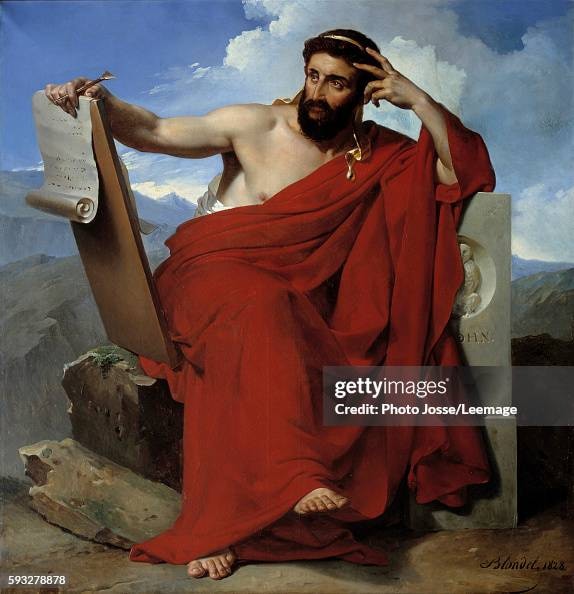
Solon
誕生日
638 BC
星座
出生地
Classical Athens
年齢
80歳で死去
概要
ソロンはアテナイの政治家、立法者、詩人でした。彼はギリシャ七賢人の一人として記憶され、しばしばアテナイ民主主義の父と呼ばれます。彼の憲法改革はドラコンの過酷な法のほとんどを覆し、政治・経済・道徳の衰退に取り組みました。ソロンの最も有名な措置は〈セイサクテイア〉(負担の払い落とし)であり、負債を帳消しにし、アテナイ市民を債務奴隷から解放しました。また、市民を年間農業生産高に基づく四つの階級に再編成し、貴族の独占を打破しました。詩人としては、自身の政策を擁護し政治評論を行う哀歌詩を書きました。歴史的記録に空白があるものの、富者と貧者の利益のバランスを取った穏健な改革者としてのソロンの遺産は今も続いています。彼の改革は後のクレイステネスによるアテナイ民主主義の基盤を築き、彼は歴史上最も重要な政治思想家の一人として常にランク付けされています。学術出版物やドキュメンタリーは彼の生涯を再検討し続けており、例えば2024年のドキュメンタリーシリーズ『The Greeks: Crucible of Civilization』や、『Classical Philology』などの学術誌での継続的な論文があります。
生い立ちと背景
ソロンは紀元前638年に古典期アテナイで、エウパトリダイ貴族の家系に生まれましたが、家は裕福ではありませんでした。父親はエクセケスティデスとされることもあります。彼の教育には伝統的な貴族のパイデイアが含まれ、詩、音楽、体育が含まれていました。幼い頃から詩の才能を示し、後に彼の政治的・倫理的見解を反映する哀歌詩を作曲しました。
多くの貴族の同輩とは異なり、ソロンはアテナイのエリートの従来の生活に閉じこもることを選びませんでした。若い頃、彼は商人であり旅行者としてのキャリアに乗り出しました。この自己主導的な探求の時期は形成期として重要であり、彼の視野を広げ、古代世界の多様な文化や政治制度に触れさせました。これらの旅は彼の正式な教育を補完し、アテナイの境界を超えた統治と社会への理解を深めました。
公的な名声への第一歩は、詩人および軍事指導者としての二重の役割を通じて現れました。彼の初期の哀歌詩は単なる芸術表現ではなく、政治的・倫理的批評の手段でもありました。彼の初期のキャリアにおける決定的な瞬間は紀元前600年頃、メガラから戦略的な島サラミスを奪還するための遠征に成功した時に訪れました。彼は力強い愛国詩でアテナイ人を行動に駆り立て、自ら軍事遠征を指揮しました。この決定的な勝利はサラミスを取り戻しただけでなく、ソロンをアテナイで尊敬される指導者として確立し、後のアテナイ社会への深遠な貢献の舞台を整えました。
キャリアの歩み
ソロンの躍進は紀元前594/593年、社会危機を解決する特別な権限を持つアルコンに選出された時に訪れました。彼の最初の主要な措置はセイサクテイアであり、これはすべての未払い負債を帳消しにし、負債のために奴隷にされたアテナイ人を解放し、将来の債務奴隷を禁止しました。彼はアテナイ市民を年間農業生産高に基づく四つの階級(ペンタコシオメディムノイ、ヒッペイス、ゼウギタイ、テーテス)に再編成し、貴族の権力独占を打ち破りました。彼は民会の議題を準備する四百人評議会を創設し、民会はすべての男性市民に開放されました。また、民衆裁判所であるヘリアイアを設立しました。ソロンはドラコンの過酷な法のほとんどを廃止し、殺人に関する法のみを残し、より人道的な新しい法典を導入しました。改革後、彼は自身の法律を変更せざるを得なくなるのを防ぐため、10年間アテナイを離れ、エジプト、キプロス、リディアを旅しました。リディア王クロイソスとの会見は幸福の本質に関する有名な寓話となり、その中で彼はクロイソスに「人は死ぬまで幸福とは言えない」と語りました。帰国後、彼はペイシストラトスの僭主政治に反対しましたが成功しませんでした。彼はその後すぐに死去し、キプロスで約80歳で亡くなったと伝えられています。
キャリア年表
公的イメージとスタイル
ソロンの公的なイメージは、賢明で穏健、原則を重んじる立法者の典型です。メディアでは、穏やかで思慮深く、清廉な人物として描かれています。彼のブランドはバランスの取れた改革と法の支配です。正式なファンダムは存在せず、学術界や古代哲学と民主主義に興味を持つ一般読者の間で研究対象となっています。彼自身のソーシャルメディアアカウントはありませんが、博物館、大学、歴史愛好家によって管理される多数の歴史アカウントやページがTwitter/X、Facebook、Instagramなどのプラットフォームに存在します。
名声とファンダム
Solon commands a steady, global presence as a foundational figure in Western political thought and history. While his name is universally recognized among students of democracy and classical antiquity, iFANN's Global Fame Engine has evaluated this person, but they do not currently hold a placement in the published rankings (Global Top 1,000 or a Top-100 scope list). The ancient statesman exists outside the modern metrics that track contemporary celebrities, musicians, and influencers. Consequently, Solon is currently the subject of academic study rather than pop-culture fandom. There is no documented fanbase with an official name, nor are there organized campaigns, merchandise drives, or social media movements dedicated to his legacy. His influence persists through historical texts, philosophical discourse, and educational curricula rather than viral trends or fan rituals. Unlike modern figures who generate measurable engagement through streaming numbers or social interactions, Solon's reach is measured by the endurance of his ideas across two and a half millennia. He remains a silent giant in the hall of fame, revered for his wisdom and reforms but absent from the active, living fandoms that define today's celebrity landscape.
興味深い事実と伝説
Solon was one of the first politicians to use poetry as a tool for political advocacy, writing elegiac verses to defend his radical reforms. A famous moral tale from antiquity recounts his conversation with King Croesus, where he declared that no man can be called happy until he is dead. He famously refused the chance to become a tyrant, choosing instead to uphold the rule of law even when offered absolute power. Only about 300 lines of his poetry survive today, preserved as quotations in later works by Plutarch and Aristotle. Historical records associate him closely with Peisistratus, his relative and later tyrant whom he opposed, Draco, the previous lawgiver whose harsh code he replaced, and Cleisthenes, the reformer who built upon Solon's foundations. His most famous measure, the seisachtheia or 'shaking off of burdens,' canceled debts and freed Athenians from debt slavery. One notable quote captures his philosophy: 'I gave to the common people such power as is sufficient, neither taking away their dignity nor adding too much.' Another warning against hubris reads, 'For excess gives birth to insolence, whenever great prosperity comes to men whose minds are not sound.'
注目の発言
“Call no man happy until he is dead.”
“I gave to the common people such power as is sufficient, neither taking away their dignity nor adding too much.”
“For excess gives birth to insolence, whenever great prosperity comes to men whose minds are not sound.”
家族と私生活
ソロンが結婚した、または子供がいたという歴史的記録はありません。兄弟姉妹の記録もありません。彼の家族はエウパトリダイ貴族の家系でしたが、裕福ではありませんでした。父親はエクセケスティデスとされることもあります。
注目の関係
ソロンは、後にアテネの僭主となる親戚のペイシストラトスと関係があり、彼に反対した。彼はドラコの厳しい法律をより穏やかな法典に置き換えた。リディア王クロイソスへの助言で有名。彼の改革はクレイステネスの民主主義の基礎を築いた。プルタルコスとアリストテレスは彼の生涯と憲法について詳細に記述している。
恋愛関係と交際歴
ソロンに恋愛関係、結婚、または子供がいたという歴史的記録はない。古代の資料は妻や子孫について言及していない。彼が結婚、婚約、または公的な恋愛関係にあったことは知られていない。2026年現在、紀元前6世紀に死去したため、彼の交際状況は独身で既知のパートナーはいないと結論付けられる。
死去とその後
死没
558 BC (80歳没)
死没地
不明
死因
不明
The historical record regarding the final days of Solon remains a tapestry of tradition rather than documented fact, leaving the exact circumstances of his passing to the inferences of later biographers. While authoritative timelines place his death around 558 BC, no contemporary account confirms the specific location or manner of his end. The narrative often paints him as an old man, having spent his final decade traveling through Egypt and Lydia before returning to Athens to witness the rise of Peisistratus, only to pass away shortly thereafter without witnessing the full consolidation of tyranny. There is no medical statement from a family member or physician to verify whether he succumbed to natural causes, illness, or some other condition. The silence of the historical record regarding his final moments means we cannot speak of a specific disease or accident with any certainty.
Instead, the focus of his posthumous history shifts immediately to how he was remembered by the city he served. He was honored as one of the Seven Sages of Greece, a title that cemented his legacy far more effectively than any physical memorial could. No specific funeral details or burial locations were recorded in the surviving texts. These poems continued to defend his policies and offer political commentary long after his body had returned to the earth. The true aftermath of his life was not a ceremony but the enduring influence of his reforms, which laid the groundwork for Athenian democracy and kept his name alive as a symbol of moderation and wisdom for generations to come.
総資産(遺産評価額)
$0
iFANN編集チームによる推定
Per iFANN's editorial analysis, Solon had no monetary wealth in a modern sense, as he was an ancient legislator and poet who died in the 6th century BC. The concept of net worth does not apply to a figure who lived over two millennia ago and owned no business enterprises. Therefore, iFANN currently estimates his net worth at $0.
受賞と栄誉
View 5 records, honours and achievements代表作
Seisachtheia (debt cancellation)
594/593 BC · Archon and lawgiver
Constitutional reforms (four classes, Council of 400)
594/593 BC · Archon and lawgiver
Repeal of Draco's laws
594/593 BC · Archon and lawgiver
キーワード
クイック情報
- 職業
- statesman, lawmaker, poet
- 生年月日
- 638 BC
- 出生地
- Classical Athens
- 死没
- 558 BC
- 死没地
- Cyprus
- 性別
- 男性
個人情報
- 本名
- Solon
よくある質問
ソロンは民主主義の父か?
ソロンはドラコの法律に何をしたか?
ソロンの最も有名な改革は何か?
ソロンには妻や子供がいたか?
ソロンはどのように死んだか?
コミュニティに参加
人のファンが話題に