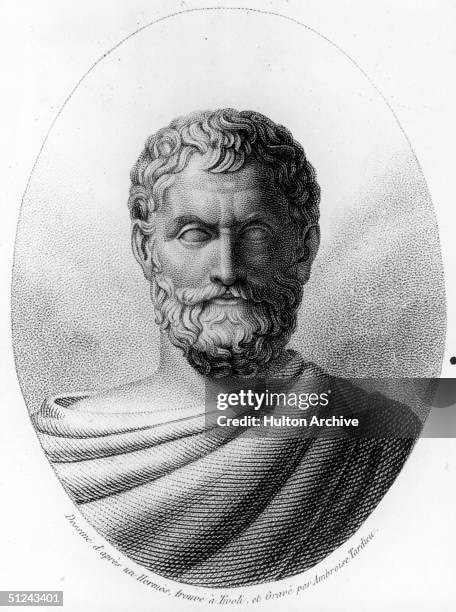
Thales
mathematician•philosopher•astronomer
Also known as: Thales of Miletus
誕生日
c. 626 BC
星座
出生地
Miletus, Ionia (modern-day Turkey)
年齢
78歳で死去
概要
ミレトスのタレスは、紀元前626年頃にイオニア地方のギリシャ都市ミレトス(現在のトルコ)で生まれた、ソクラテス以前の哲学者、数学者、天文学者、技術者です。彼はしばしば西洋の伝統における最初の哲学者と呼ばれ、自然界の説明を神話から合理的な探求へと転換した功績によってこの称号を得ました。タレスはまた、伝説的なギリシャ七賢人の一人であり、その実践的な知恵と初期ギリシャ思想への貢献で尊敬された賢者の集団の一員でした。彼は約78歳まで生き、紀元前548年頃に亡くなりました。
タレスは、水が自然の根底にある基本的な物質(アルケー)であり、地球は水の上に浮かんでいると提唱しました。この考えは原始的ではありましたが、科学的推論への革命的な一歩でした。数学においては、タレスの定理、すなわち半円に内接する角は直角であるという定理が彼に帰せられています。また、影を使ってエジプトのピラミッドの高さを計算し、海上の船の距離を測定したと伝えられています。天文学的業績には、日食の予測(おそらく紀元前585年)、おおぐま座の特定、夏至と冬至の決定が含まれます。
理論だけでなく、タレスは知識を実践的に応用しました。彼はリュディア軍がハリュス川を渡れるように、川の流れを変える方法を考案しました。プルタルコスは、タレスが哲学を単なる思弁から実践的な応用へと引き上げた最初の人物であると述べています。彼の著作は現存していませんが、その影響は西洋思想全体に浸透しています。彼は数学、科学、哲学の分野で記憶され、彼の名を冠した定理や概念は今もなおその痕跡を残しています。
生い立ちと背景
タレスは、繁栄した商業の中心地でありイオニアの知的拠点であったミレトスで、裕福な家庭に生まれました。両親のエグザミュエスとクレオブリーネは、高貴なフェニキア系の家系だったと考えられています。少年時代、彼は貴族の子弟として典型的な教育を受け、読み書きやホメロスの叙事詩を学びました。しかし、交易の十字路であったミレトスの立場は、彼をエジプトやバビロンの思想に触れさせました。彼はエジプトに広く旅し、そこで祭司たちと幾何学や天文学を学び、ナイル川の氾濫後の土地の測量や天体の動きの追跡方法を習得しました。一部の記録では、彼はバビロンも訪れ、何世紀にもわたる天文記録に接したとされています。これらの初期の経験が、自然現象は神を参照せずに説明できるという彼の確信を形作りました。彼の最初の注目すべき偉業は、自分の影が自分の身長と等しくなる正確な瞬間に大ピラミッドの影を測定してその高さを計算したことであり、幾何学的推論の力を示し、彼を最初の西洋哲学者への道へと導きました。
キャリアの歩み
タレスの突破口は紀元前585年頃、リュディアとメディアの間のハリュス川の戦いの際に発生した日食を予言したことにあります。突然の暗闇に両軍は恐怖し、戦闘を中止して和平を結び、タレスの評判は並外れた知恵を持つ人物として確固たるものになりました。その後すぐに、彼は水が宇宙の基本的な物質であると提唱し、すべてのものは水から生まれ、水に戻ると主張しました。これは、神話的な説明を合理的な探求に置き換えることで、西洋哲学の誕生を示しました。数学では、タレスの定理を発展させ、半円に内接する角は常に直角であることを証明しました。また、夏至と冬至を決定し、1年を365日に分割し、航海のためのこぐま座を特定しました。有名な実践的知恵の実例として、彼は天文学的知識を用いてオリーブの豊作を予測し、ミレトスとキオスのすべてのオリーブ圧搾機を低価格で借り上げ、収穫時に大金を稼ぎました。後に、彼はクロイソス王の軍隊のためにハリュス川の流路変更を設計し、リュディア人が橋を建設せずに川を渡れるようにしました。タレスはミレトス学派を創設し、アナクシマンドロスとアナクシメネスを指導し、彼らは彼の自然哲学の伝統を継承しました。
キャリア年表
公的イメージとスタイル
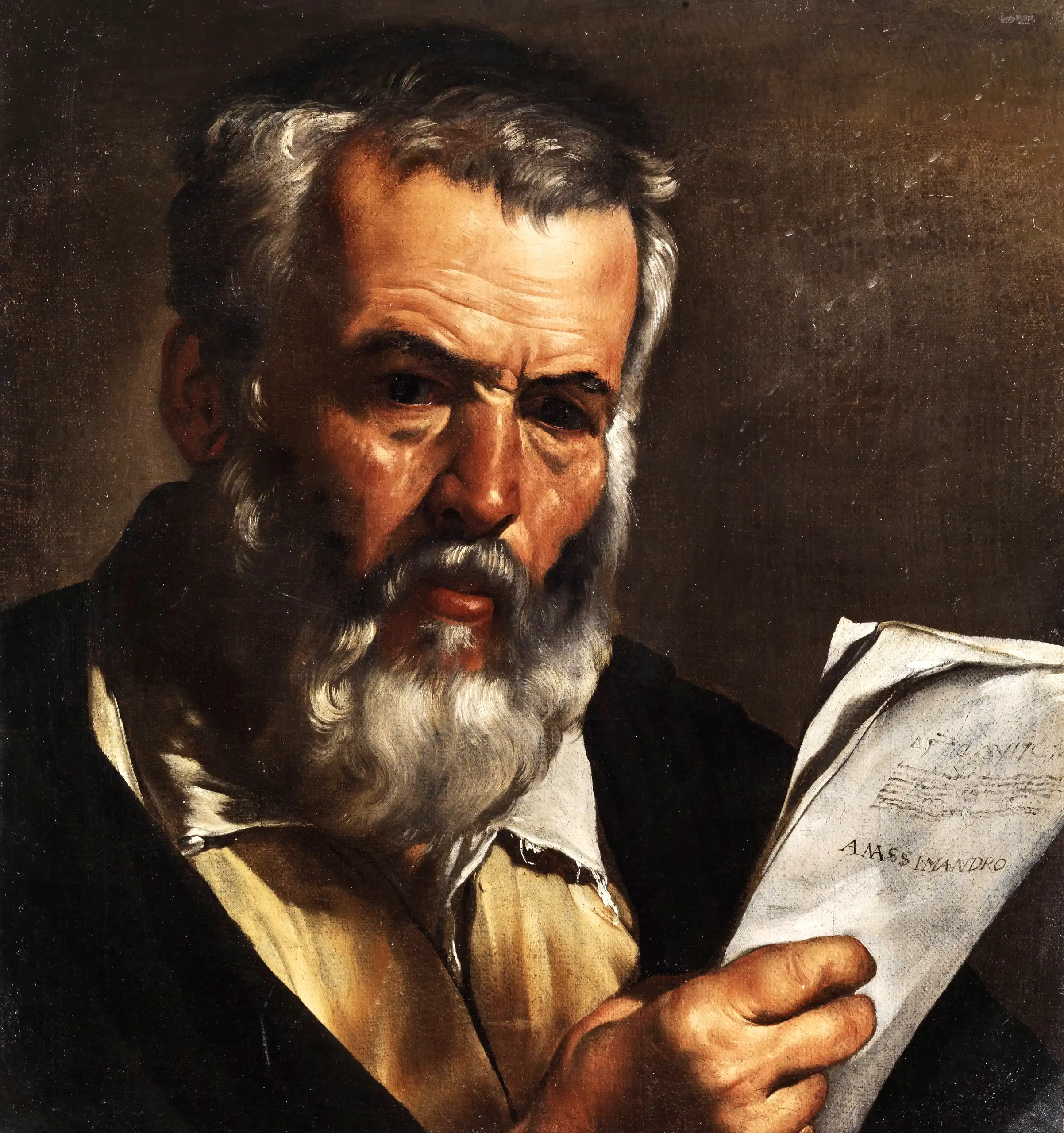
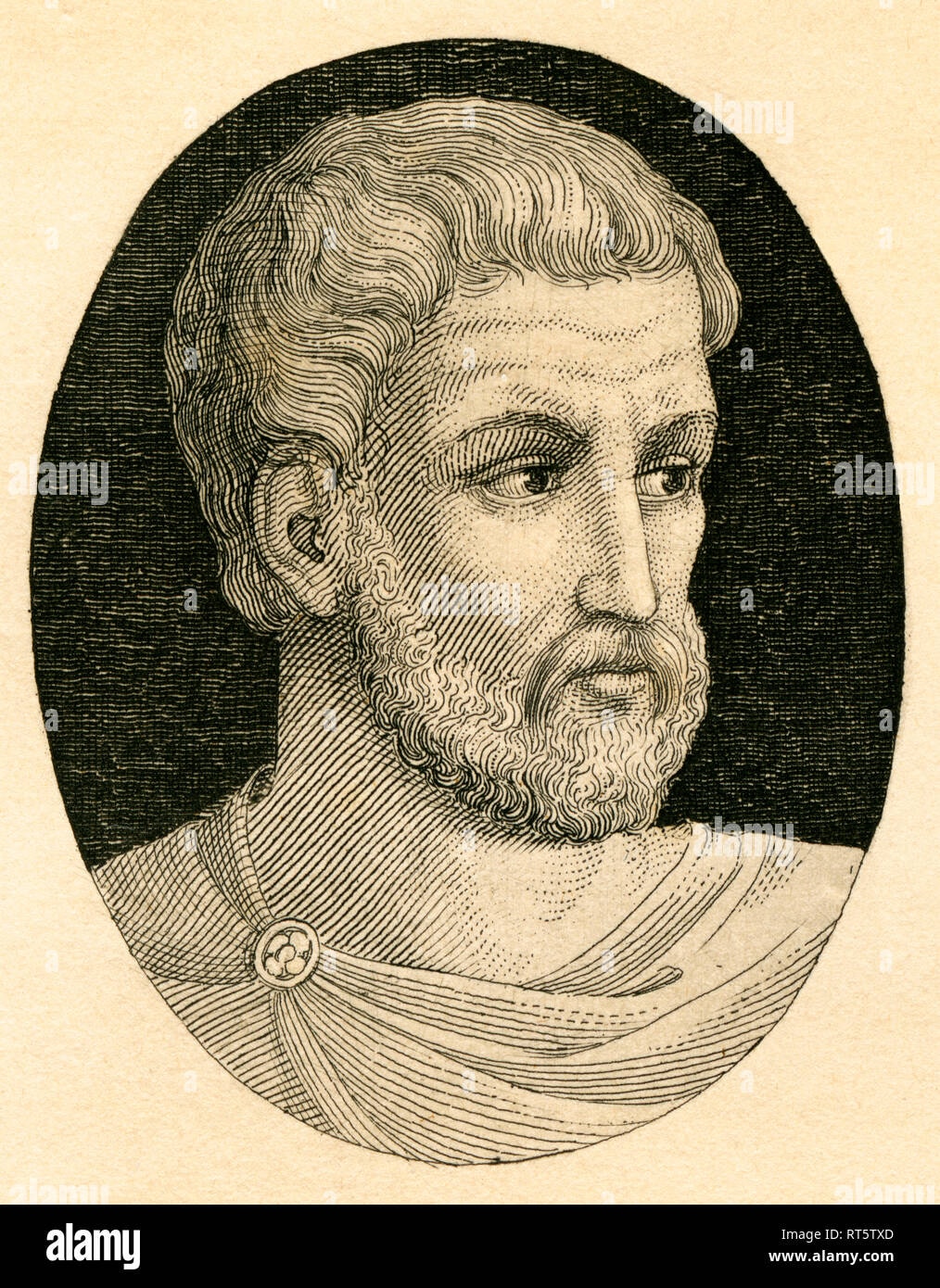
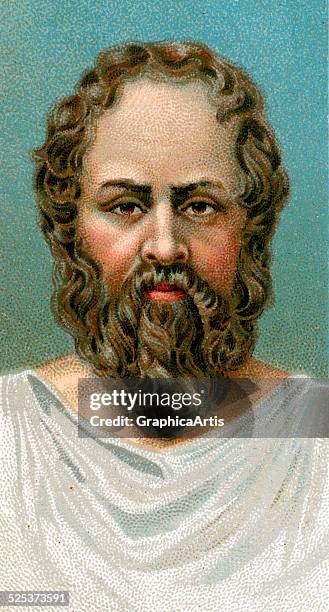
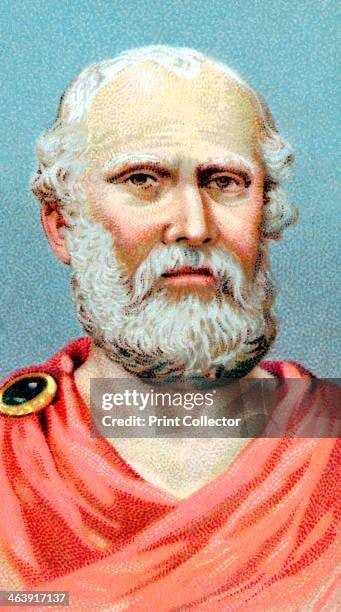
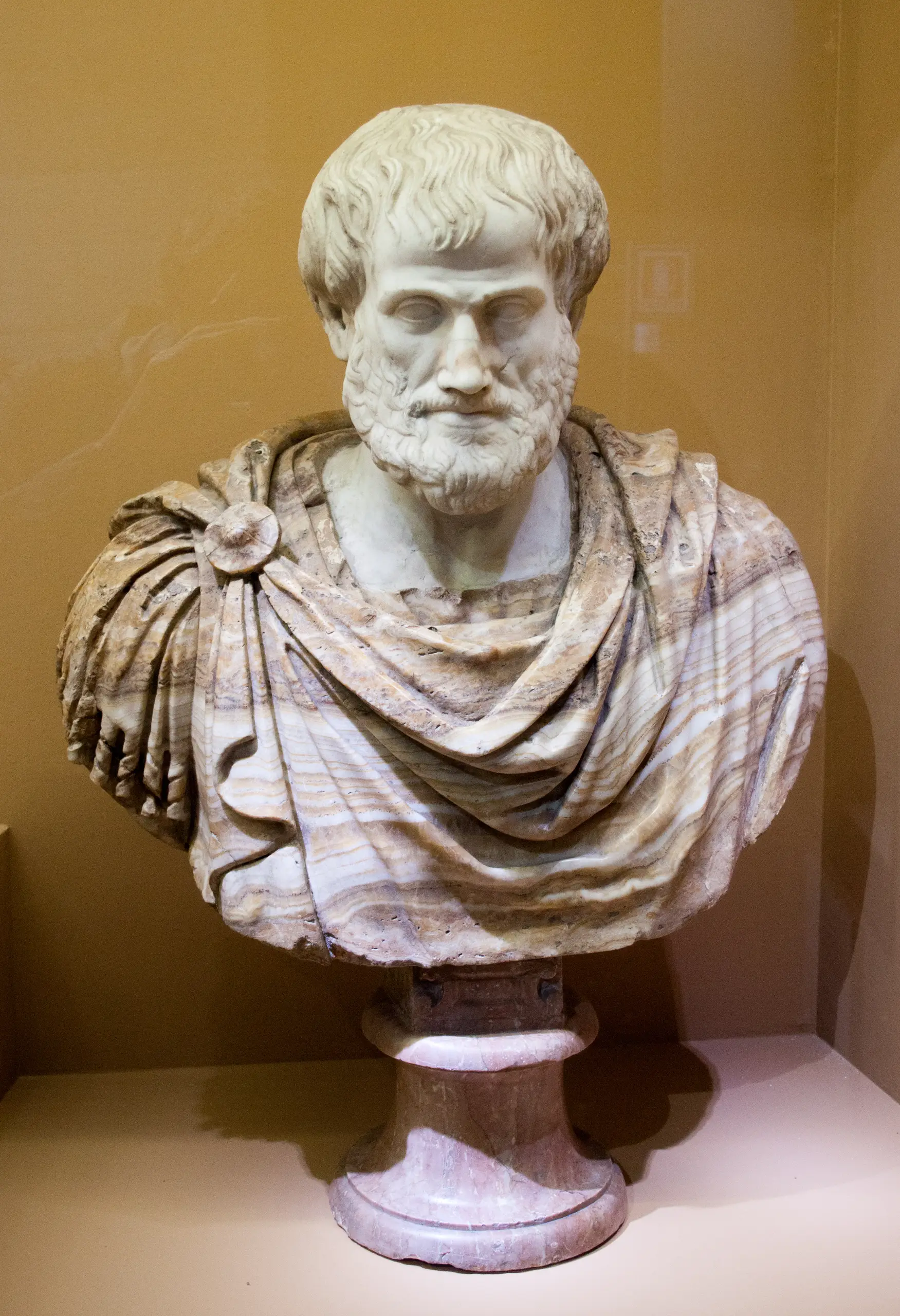
古代の芸術では、タレスは髭を生やした哲学者としてヒマティオンをまとい、しばしば天を指さすか幾何学図形を手にした姿で描かれています。現代の表現では、「最初の科学者」としての彼の役割が強調され、「世界は何でできているのか?」と問うことを敢えてした思索的な人物として描かれています。彼は一貫して、典型的な賢者、神話的世界観と科学的世界観の橋渡し役として描かれています。教育映画やドキュメンタリーでは、彼は先駆的な人物として描かれています。哲学の学生や歴史家は、彼が予言したとされる日食の伝統的な日付である5月28日を非公式に「タレスの日」として祝っています。ソーシャルメディアでは、「人生で最も難しいことは自分自身を知ることである」といった彼の簡潔な格言が頻繁に共有されています。
名声とファンダム (iFAMOUS Rankings)
Thales of Miletus stands as a solitary figure in the annals of intellectual history, a man whose legacy is built not on adoring crowds or viral moments, but on the quiet revolution of asking why. There is no organized fanbase to rally behind him, and the fanbase has no formal name. The ancient Thracian servant girl who mocked him for falling into a well while staring at the stars remains the most vivid interaction recorded, yet it serves as a cautionary tale rather than a beloved legend of performance. He did not tour stages, release albums, or court public opinion; he walked the streets of Ionia debating the nature of water and the shape of the earth. His fame is entirely academic, sustained by students of philosophy and historians rather than a global community of fans seeking connection or merchandise. In the digital age, where celebrity is often measured by engagement metrics and follower counts, Thales exists outside these parameters. He is a ghost in the machine of pop culture, present only in textbooks and lecture halls. The iFANN Global Fame Engine has evaluated this historical figure and determined that he does not currently hold a placement in the published rankings, including the Global Top 1,000 or any Top-100 scope list. Consequently, no specific ordinal rank can be assigned to his current level of global recognition within the iFANN framework.
興味深い事実と伝説
The story of Thales falling into a well while gazing at the heavens remains one of the most enduring anecdotes from antiquity, immortalizing his tendency to prioritize cosmic mysteries over immediate surroundings. A Thracian servant girl allegedly laughed at him for this oversight, a moment that perfectly encapsulates the tension between abstract thought and practical life. He was also an early pioneer in understanding magnetism, believing that magnets possessed souls because they could move iron without physical contact. His geological theories were equally bold; he imagined the Earth floating on water like a log, explaining earthquakes as the result of waves rocking this massive vessel. When pressed on the nature of the divine, he offered a concise definition: 'That which has no beginning and no end.' Despite his profound influence, none of his own writings survive today, leaving later authors like Aristotle and Herodotus as the sole voices preserving his thoughts. He once advised the Ionian cities to unite against the Persians, a strategic move ignored at the time but later vindicated by history. Another famous tale recounts how he predicted a bumper olive harvest, rented all the presses in Miletus and Chios, and made a fortune, proving his wisdom extended beyond theory into practice.
注目の発言
“Water is the first principle of everything.”
“The most divine thing is that which has neither beginning nor end.”
“The most difficult thing in life is to know yourself.”
“Hope is the only good that is common to all men.”
“Time is the wisest of all things that are; for it brings everything to light.”
“It is not yet time... It is no longer time.”
“There is no difference between life and death.”
家族と私生活
タレスは結婚せず、子供もいませんでした。なぜかと聞かれたとき、彼は子供を愛しすぎて持てないと答えたと言われています。別の話では、母親が結婚を勧めたが、彼は「まだ時期ではない」と答え、後に「もう時期ではない」と答えたとされています。両親はエグザミュエスとクレオブリーネで、高貴なフェニキア系の家系だったと考えられています。彼は知的探求に専念した質素な生活を送り、自身の家庭はなかったとされています。
注目の関係
タレスはアナクシマンドロスを指導し、彼はミレトス学派を継承してアペイロンの概念を発展させた。さらにアナクシメネスが彼らの業績を基に研究を進めた。リディアのクロイソス王はタレスに助言を求め、ハリュス川渡河の工事を依頼した。タレスは同じく七賢人の一人であるソロンと同時代人であった。後の哲学者ピタゴラスはタレスの数学的業績に影響を受けた。タレスについての知識のほとんどは、アリストテレス、ヘロドトス、ディオゲネス・ラエルティオスから得られている。
恋愛関係と交際歴
タレスに文書化された恋愛関係は存在しない。古代の記録は一貫して、彼が自らの選択で未婚かつ子なしであったと伝えている。ディオゲネス・ラエルティオスによると、タレスはなぜ結婚しないのかと問われ、若いときは早すぎ、年老いてからは遅すぎると答えたという。他の文献では、母親に結婚を勧められたが、「まだ時期ではない」と答え、後には「もう時期ではない」と言ったとされる。記録されている個人的関係は、賢人たちとの友情と、アナクシマンドロスなどの若い哲学者への指導のみである。タレスは未婚で、恋愛関係を持たずに死去した。
死去とその後
死没
c. 548 BC (78歳没)
死没地
Miletus, Ionia
死因
Old age or heatstroke (unconfirmed)
Ancient tradition records that Thales of Miletus passed away around c. 548 BC in his hometown, though no formal declaration or family announcement exists to mark the moment. One enduring anecdote suggests he died while watching a wrestling match, falling into a well due to thirst or exhaustion, while another account attributes his end to heatstroke during the Olympic Games. These stories remain unconfirmed by any contemporary verification, standing instead as colorful fragments preserved by later historians like Diogenes Laertius rather than established forensic facts. The exact cause remains a matter of ancient speculation, with scholars generally accepting old age as the most probable reality given his estimated age of nearly eighty.
His burial site is unknown, and no specific service details survive in the historical record. Instead, his legacy was handled through oral tradition and subsequent written texts that carried his intellectual weight forward. Aristotle and Plato later revered him as the first philosopher, cementing his status within the Western canon long after his physical absence. Centuries of academic study have served as his true memorial, transforming his name into a symbol of rational inquiry. Educational institutions now bear his name, and geometry preserves his contributions through theorems attributed to his mind., his ideas floated on through generations of students who continued the Milesian school's work.
総資産(遺産評価額)
$0
iFANN編集チームによる推定
Per iFANN's editorial analysis, the net worth of Thales of Miletus is estimated at $0. As a historical figure who died approximately 2,574 years ago, he possessed no monetary wealth in the modern sense, nor does any estate exist to generate posthumous revenue or royalties. Ancient sources, including Aristotle, note that he was once mocked for his poverty, yet he famously turned the tables by using his astronomical knowledge to predict a bumper olive harvest. By renting all the olive presses in Miletus and Chios at low prices, he secured a fortune when the harvest arrived, demonstrating his practical wisdom rather than accumulated riches. This anecdote illustrates a man who understood value through utility and foresight rather than hoarding currency. While his intellectual legacy is priceless and continues to generate immense cultural and academic value, no financial figures apply to his life or death. The concept of personal wealth simply does not translate to a pre-Socratic philosopher living in ancient Greece.
受賞 (2)
タレスはギリシャ七賢人の一人として認められ、これは古代ギリシャにおける最高の知的名誉であった。デルフォイのアポロン神殿には彼を称える青銅の像が建てられ、「最初の賢者、ミレトスのタレス」という碑文が刻まれていた。
c. 580 BC · 知恵
Lifetime achievement
c. 560 BC · 栄誉
Philosophical contributions
代表作
Water as the fundamental substance
c. 585 BC · Philosopher
Thales's theorem
c. 575 BC · 数学者
Prediction of solar eclipse
585 BC · Astronomer
Calculation of pyramid heights
c. 590 BC · 数学者
Diverting the Halys River
c. 560 BC · Engineer
キーワード
クイック情報
- 職業
- mathematician, philosopher, astronomer
- 生年月日
- c. 626 BC
- 出生地
- Miletus, Ionia (modern-day Turkey)
- 死没
- c. 548 BC
- 死没地
- Miletus
- 性別
- 男性
- Known for
- Water as arche, Thales's theorem, eclipse prediction
個人情報
- 本名
- Thales of Miletus
よくある質問
タレスは何を発見したのか?
なぜタレスは最初の哲学者と呼ばれるのか?
タレスには子供がいたのか?
タレスの定理とは何か?
タレスはどのようにして日食を予言したのか?
コミュニティに参加
人のファンが話題に