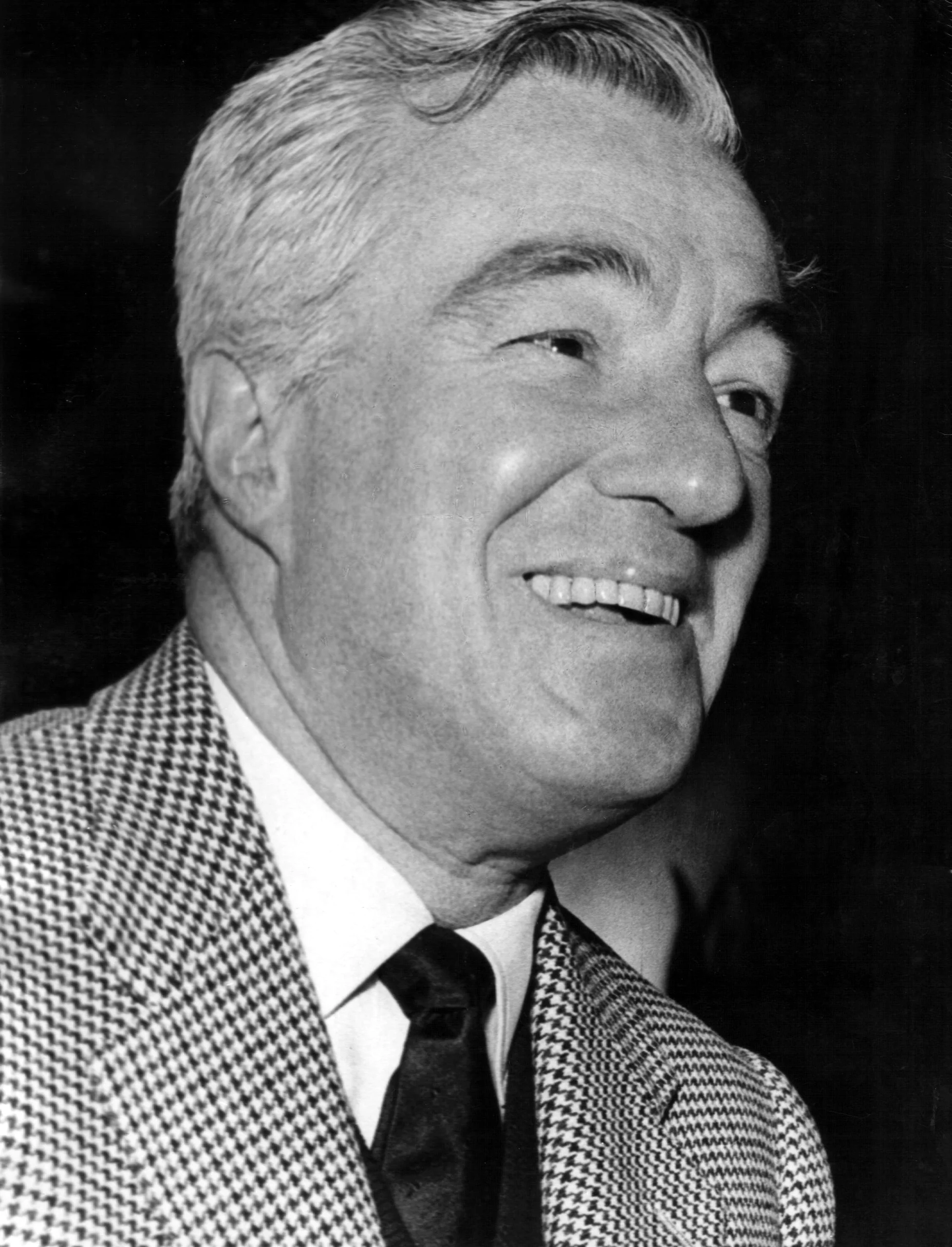
Vittorio De Sica
 Italy
Italyfilm director•screenwriter•stage actor
誕生日
July 7, 1901
星座
Cancer
出生地
Sora, Italy
年齢
73歳で死去
概要
ヴィットリオ・デ・シーカはイタリアの映画監督兼俳優であり、イタリア・ネオレアリズモ運動の中心的人物です。『自転車泥棒』や『ウンベルト・D』などの作品は、一般人の苦闘を人間味豊かに描いたことで称賛されています。俳優としては1930年代にマチネー・アイドルとなり、後にアカデミー賞にノミネートされました。彼の作品は名誉賞2つと外国語映画賞2つを含む4つのオスカーを獲得しました。今日でも彼の遺産は世界中の映画製作者にとって指標となっています。
生い立ちと背景
ヴィットリオ・デ・シーカはイタリア中部の小さな町ソーラで、銀行員のウンベルト・デ・シーカと主婦のマリアの間に生まれました。幼い頃に家族はナポリに移り、その後ローマに移住しました。幼少期は経済的に苦しく、早くに学校を辞めて家計を助けました。最初の仕事は弁護士事務所の事務員でしたが、舞台に惹かれました。1920年代に劇団に入り、喜劇俳優としての技量を磨きました。映画デビューは1929年でしたが、名声を得たのは1930年代、"白い電話"映画と呼ばれる軽快なロマンティック・コメディで魅力的な主演男優としてでした。この人気が後の監督としての野心の基盤となりました。
キャリアの歩み
デ・シーカの監督としての突破口は、戦後ローマのストリートチルドレンを描いた生々しい物語『靴みがき』(1946年)で、名誉アカデミー賞を受賞しました。続く『自転車泥棒』(1948年)はネオレアリズモの金字塔で、もう一つの名誉オスカーを獲得し、史上最高の映画の一つに数えられることが多い作品です。『ウンベルト・D』(1952年)は高齢者と貧困層への焦点を継続しました。1960年代にはより軽い作風に転じましたが、オスカー成功は続き、『昨日・今日・明日』(1963年)と『悲しみの青春』(1970年)が共に外国語映画賞を受賞しました。俳優としては、『武器よさらば』(1957年)で助演男優賞にノミネートされました。1974年に亡くなるまで俳優・監督として活動を続けました。
キャリア年表
公的イメージとスタイル
デ・シーカはスクリーン上でも私生活でもエレガントで洗練された態度で知られていました。初期の俳優時代は、テーラードスーツを着てタバコを手にした写真がよく撮られるハンサムな人気者でした。監督としては、非職業俳優から真実味のある演技を引き出す、感受性豊かで思いやりのある芸術家と見なされていました。批評家は社会派リアリズムとさりげないユーモアを融合させる能力を賞賛しました。ファンは一般の人々への深い共感に心を打たれました。彼の公の人格は紳士的な芸術家であり、業界全体から尊敬されていました。
名声とファンダム
Vittorio De Sica cultivated a legacy defined by the quiet dignity of his subjects rather than the clamor of celebrity worship. While he began as a matinee idol in the 1930s, his enduring influence stems from his pivot to Italian Neorealism, where he directed films that resonated with war-torn societies through their unflinching portrayal of ordinary struggles. Engagement with his work today is sustained primarily by film scholars, critics, and cinephiles who view his output as essential study material rather than pop culture ephemera. Recent institutional efforts, such as the 2025 restoration of Shoeshine by The Criterion Collection and the 2026 release of documentaries like Vittorio De Sica: Staging Life at Cannes Classics, reflect a community dedicated to academic preservation and artistic appreciation. There are no recorded fan rituals, organized chart campaigns, or formal fandom names associated with him; the audience remains a diffuse group of admirers united by a shared reverence for his humanist cinema. A notable piece of critical folklore even suggests a controversial stance from Jean-Luc Godard, who once labeled De Sica's style deplorable, framing the director's success as a detrimental precedent for the art form. This counter-narrative underscores the complex mythology surrounding a man whose radical attention to daily life sparked both profound empathy and sharp criticism. Despite these debates, his status as a central figure in Neorealism remains undisputed decades after his death in 1974. In August 2026, iFANN evaluated his global standing and found that Vittorio De Sica currently holds no placement in the published rankings, including the Global Top 1,000 or any Top-100 scope list.
興味深い事実と伝説
De Sica was an avid soccer fan who supported S.S. Lazio and maintained a passion for card games, often playing poker with friends between takes on set. His close associates referred to him simply as "Vitto," a nickname that belied his deep-seated insecurity regarding his lack of formal education. He frequently felt compelled to prove his worth as a director, noting that his origins as a lightweight actor required constant validation. Beyond personal anecdotes, the cultural mythology surrounding him highlights his transformation from a popular stage performer into the leading voice of a cinematic movement. A central legend involves his early career in over 100 films, where he brought charm and brightness to the screen before World War II. The defining moment of his legacy is widely retold as his post-war pivot toward Neorealism, driven by a desire to depict the harsh realities of Italy. Specific accounts describe audiences being emotionally devastated by Shoeshine, a devastating tale of innocence lost that resonated deeply with a society recovering from conflict. Similarly, scenes in Two Women are legendary for their darkness, representing the peak of his ability to evoke profound empathy without resorting to melodrama. These stories illustrate how his work transcended entertainment to become a historical document of human suffering.
注目の発言
“I have a great faith in the human being. I believe that the human being is basically good.”
“The most important thing in cinema is the human being.”
“I am not a director who imposes his style. I try to find the style that fits the story.”
“Neorealism is not a style, it is a need to tell the truth.”
家族と私生活
デ・シーカは1937年に女優のジュディッタ・リッソーネと結婚し、娘エミをもうけましたが、1954年に離婚しました。その後、1959年にスペイン人女優マリア・メルカデルと結婚し、2人の息子、成功した俳優・コメディアンのクリスティアン・デ・シーカと作曲家・指揮者のマヌエル・デ・シーカをもうけました。家族はローマとパリに住んでいました。息子のクリスティアンは、多忙なキャリアにもかかわらず、父の温かさと家族への献身についてよく語っていました。
注目の関係
デ・シーカの最も頻繁な協力者は脚本家チェーザレ・ザヴァッティーニで、彼のネオレアリズモの最高傑作を共同執筆しました。また、『自転車泥棒』では撮影監督カルロ・モントゥオーリと緊密に協力しました。俳優としては、デ・シーカ自身が監督した『昨日・今日・明日』を含むいくつかの作品でソフィア・ローレンと共演しました。
恋愛関係と交際歴
デ・シーカの最初の重要な関係は女優のジュディッタ・リッソーネで、1937年に結婚しました。娘エミをもうけましたが、1954年に離婚しました。その後、スペイン人女優マリア・メルカデルと関係を持ち、1959年に結婚しました。2人の息子クリスティアンとマヌエルをもうけ、デ・シーカが1974年に亡くなるまで一緒にいました。メルカデルとの結婚は安定したパートナーシップであり、彼の後期のキャリアを支えました。
- 既婚Giuditta Rissone1937 - 1954女優ジュディッタ・リッソーネと結婚、娘エミをもうけ、1954年に離婚。
- 既婚María Mercader1959 - 1974スペイン人女優マリア・メルカデルと結婚。2人の息子クリスチャンとマヌエルをもうけ、彼の死まで一緒に過ごした。
死去とその後
死没
November 13, 1974 (73歳没)
死没地
不明
死因
不明
総資産(遺産評価額)
ヴィットリオ・デ・シーカの遺産は、映画のロイヤルティ、テレビ放送、ホームビデオ販売を通じて継続的な収入を生み出しています。彼の古典的作品、特に『自転車泥棒』は世界中で配給され続けています。遺産は息子たちのクリスティアンとマヌエルが管理しています。死後の収入には、修復やドキュメンタリーのライセンス料が含まれます。2026現在、彼の遺産の総資産は500万ドルと推定され、主に永続的な映画の権利と定期的な特別上映によるものです。
受賞 (4)
ヴィットリオ・デ・シーカは4つのアカデミー賞を受賞した。『靴みがき』(1947年)と『自転車泥棒』(1949年)で2つの名誉オスカー、そして『昨日・今日・明日』(1964年)と『悲しみの青春』(1971年)で2つのアカデミー外国語映画賞を受賞。また、『武器よさらば』(1957年)でアカデミー助演男優賞にノミネートされた。彼の映画は世界中の映画祭で称賛されている。
1971 · 外国語映画賞
The Garden of the Finzi-Continis
1964 · 外国語映画賞
Yesterday, Today and Tomorrow
1949 · 名誉賞
Bicycle Thieves
1947 · 名誉賞
Shoeshine
代表作
Bicycle Thieves
1948 · 監督
Umberto D.
1952 · 監督
Shoeshine
1946 · 監督
Yesterday, Today and Tomorrow
1963 · 監督
The Garden of the Finzi-Continis
1970 · 監督
A Farewell to Arms
1957 · 俳優
キーワード
クイック情報
- 職業
- film director, screenwriter, stage actor
- 生年月日
- +1901-07-07
- 出生地
- Sora
- 死没
- +1974-11-13
- 死没地
- Neuilly-sur-Seine
- 性別
- 男性
- 配偶者
- Giuditta Rissone, María Mercader
- 星座
- Cancer
個人情報
- 本名
- Vittorio Domenico Stanislao Gaetano Sorano De Sica
- 配偶者
- Giuditta Rissone (1937–1954, divorced), María Mercader (1959–1974, his death)
- 子ども
- Christian De Sica, Manuel De Sica, Emi De Sica
よくある質問
ヴィットリオ・デ・シーカとは?
2026年のヴィットリオ・デ・シーカの総資産は?
ヴィットリオ・デ・シーカはまだ生きている?
ヴィットリオ・デ・シーカは何で最も知られている?
ヴィットリオ・デ・シーカはどのように亡くなった?

コミュニティに参加
人のファンが話題に