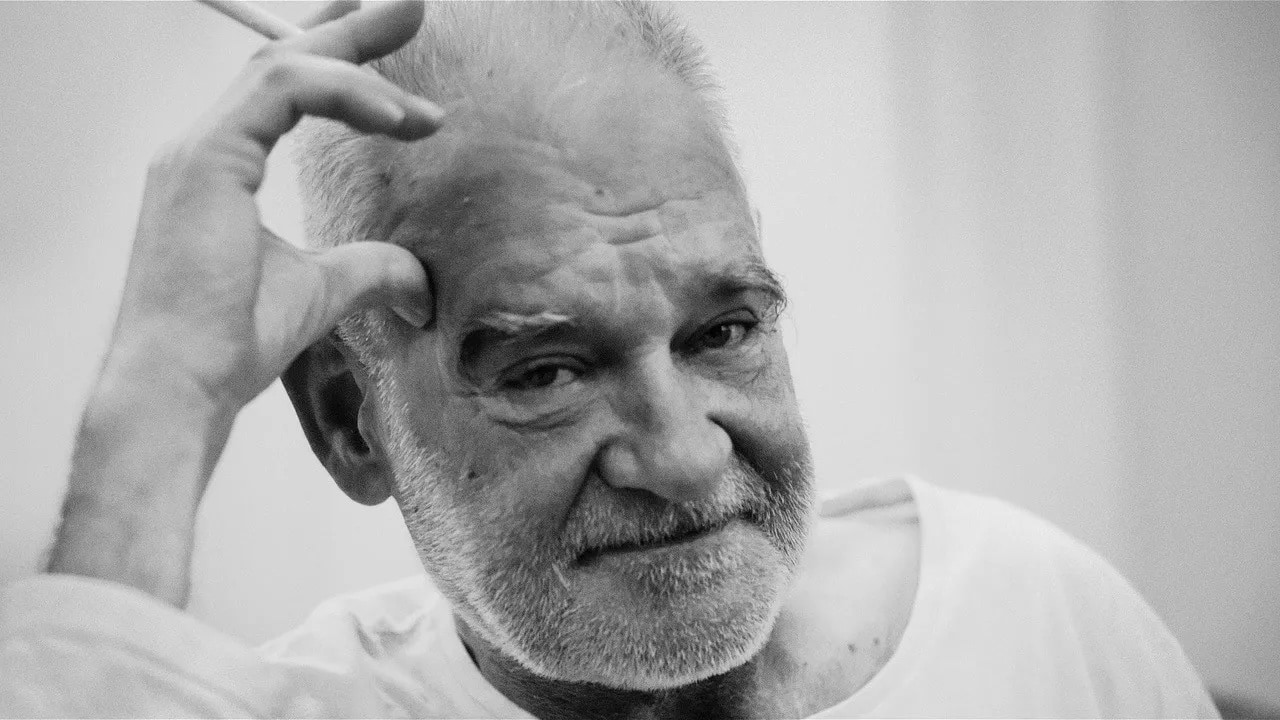
Béla Tarr
 Hungary
Film director•screenwriter•producer
誕生日
July 21, 1955
星座
Cancer
出生地
Pécs, Hungary
年齢
70歳で死去
身長
5 ft 9 in (175 cm)
概要
Béla Tarrはハンガリーの映画監督、脚本家、プロデューサーであり、その厳しい白黒映像と長回しで映画の語り口を再定義した。30年以上にわたるキャリアの中で、10本の長編映画と数本の短編映画を製作し、スローシネマの中心人物となった。1994年の大作『サタンタンゴ』は、絶望と退廃を描いた7時間半の瞑想であり、学術的な史上最高の映画リストに頻繁に登場する。Tarrは2026年1月6日に70歳で死去した。
長編映画から引退した後、Tarrは教育とマルチメディアプロジェクトに転身した。また、ロッテルダム、エルサレム、ロカルノ、ヨーロッパ映画アカデミーなどから数多くの生涯功労賞を受賞した。2026年のカンヌ国際映画祭では大規模な回顧展が計画されており、クライテリオン・コレクションは2026年後半に完全版ボックスセットを発表すると発表した。
Tarrは緊密なクリエイティブチームと仕事をした。編集者のÁgnes Hranitzkyは『ヴェルクマイスター・ハーモニー』以降、共同監督となった。『ダムネーション』以降は、小説家のLászló Krasznahorkaiが脚本を共同執筆し、作曲家のMihály Vígが映画音楽を担当し、『サタンタンゴ』では俳優としても出演した。撮影監督のGábor Medvigyはいくつかの作品を手がけた。後年、Fred Kelemenが『ロンドンから来た男』と『トリノの馬』の撮影を担当した。常連俳優にはJános Derzsi、Erika Bók、Mihály Kormosがいた。
生い立ちと背景
Béla Tarrは1955年7月21日、ハンガリーのペーチにロマ人の父親とハンガリー人の母親の間に生まれた。父親はハンガリー映画産業でセットデザイナーとして働いており、幼い頃から映画製作に触れる機会があった。一家はTarrが幼い頃にブダペストに移り住み、労働者階級の地域で育った。子供時代は経済的な苦労と、共産主義体制下のハンガリー社会の厳しい現実にさらされることで特徴づけられる。父親が映画セットで働いていたことで、Tarrはスタジオを訪れることができ、そこで映画製作の仕組みに魅了された。
16歳のとき、Super 8カメラでアマチュア映画を製作し始めた。最初の短編映画『Hotel Magnezit』(1978年)はホームレスシェルターに関するドキュメンタリーで、ハンガリーのテレビ局の注目を集めた。Tarrはブダペストの演劇映画芸術大学に入学したが、政治的に問題があると当局が判断した映画を製作したため、3学期で退学処分となった。正式な映画の学位を修了することはなく、実践経験と独学で技術を習得した。転機は、友人や家族から資金を集めて初の長編映画『家族の巣』(1979年)を製作したときに訪れた。これは労働者階級の家族を描いた生々しいシネマ・ヴェリテ作品で、わずか10日間、1万5000ドルの予算で撮影され、社会の暗い描写を理由にハンガリーの検閲官によって当初は上映禁止となった。
キャリアの歩み
『家族の巣』(1979年)はハンガリー映画祭でグランプリを受賞して初公開され、Tarrを社会派リアリストとして確立した。続いて『アウトサイダー』(1981年)と『プレハブの人々』(1981年)を発表し、疎外された労働者に焦点を当て続けた。『秋のアルマナック』(1984年)は、より様式化された演劇的な構図と長回しへのスタイルの転換を示した。
『ダムネーション』(1988年)はベルリン国際映画祭で初公開され、カリガリ映画賞を受賞した。この作品で、白黒撮影、極端な長回し(11分に及ぶものもある)、小説家László Krasznahorkaiとのコラボレーションという彼の特徴的なスタイルが導入された。『サタンタンゴ』(1994年)はベルリンで初公開され、39の長回しで2年間かけて撮影された7時間半の叙事詩である。ハンガリー映画週間でグランプリを受賞し、再びカリガリ映画賞を受賞した。2012年、『Sight & Sound』誌の史上最高の映画リストで36位にランクされ、2022年には24位に上昇した。
『ヴェルクマイスター・ハーモニー』(2000年)はベルリンで初公開され、初めてÁgnes Hranitzkyが共同監督としてクレジットされた。エキュメニカル審査員賞とハンガリー映画週間のいくつかの賞を受賞した。Tarrは2004年、ハンガリー最高の文化賞であるコシュート賞を受賞した。『ロンドンから来た男』(2007年)はカンヌのパルム・ドールにノミネートされ、賛否両論だったが、ハンガリー映画週間で最優秀監督賞を受賞した。彼の最後の長編映画『トリノの馬』(2011年)はベルリンで初公開され、銀熊賞グランプリ、FIPRESCI賞、エキュメニカル審査員賞を受賞した。Tarrはこれが最後の長編映画になると発表した。
2013年、Tarrはサラエボにfilm.factoryを設立した。これはサラエボ大学と提携した国際的な映画学校で、年間わずか8人の学生を受け入れ、すべて授業料無料である。2016年までそのディレクターを務めた。アムステルダムのアイ・フィルムミュージアムでのマルチメディア展『Till the End of the World』(2017年)は4万人以上の来場者を集めた。2019年のウィーン芸術週間では、250人のホームレスのウィーン市民を巻き込んだパフォーマンス『Missing People』を制作した。2026年の死去時、Tarrは『空から落ちてきた男』というタイトルの新作長編映画に取り組んでいたが、未完のままとなった。Ágnes Hranitzkyが管理する彼の遺産は、この映画が完成されず、いかなる形でも公開されないと発表した。
キャリア年表
公的イメージとスタイル
ベーラ・タールはスローシネマの決定的人物です。彼の作品は、白黒撮影、10~15分にも及ぶ極端に長いショット、最小限の台詞、陰鬱な実存的主題、雨に濡れた風景、荒廃した産業環境、そして催眠術のようなリズミカルな編集スタイルが特徴です。彼のカメラワークは、登場人物をリアルタイムで追う、ゆっくりとした意図的なトラッキングショットで有名です。
メディアでの描写は一貫してタールを「陰鬱の天才」であり「メランコリーの巨匠」として描いています。批評家は彼の作品を難解だがやりがいのあるものと評しています。彼は世界の映画界で最も重要な監督の一人と見なされていますが、その作品の商業的魅力は限られています。タールは公式のソーシャルメディアを持っていませんでした。彼はオフラインであることで有名で、かつて「私はインターネットに興味がない。映画とは、他の人々と同じ部屋に存在することだ」と述べています。スローシネマ愛好家と呼ばれるファンたちは、休憩を挟んで〈サタンタンゴ〉のマラソン上映会を開催したり、ハンガリーのロケ地を訪れる旅行を企画したりしています。Redditのr/TrueFilmやLetterboxdのオンラインコミュニティでは、彼の作品について活発に議論されています。タールは『Film Comment』(2011年)、『Sight & Sound』(2012年)、『Filmkultura』(2013年)、『Cahiers du Cinéma』(2018年)などの著名な雑誌の表紙を飾りました。
名声とファンダム
When Béla Tarr died in January 2026, the tributes poured in from every corner of the arthouse world, but the global fame engine that tracks such things had already taken note. As of August 2026, iFANN's Global Fame Engine has evaluated Tarr's standing, yet he does not currently hold a placement in the published rankings, neither in the Global Top 1,000 nor in any Top-100 scope list. That absence is itself a kind of tribute: Tarr's fame was never the loud, chart-topping kind. It was the slow-burn renown of a cult director who became, in the words of the Harvard Film Archive, 'the ultimate auteurist's auteur.' His audience is a loosely affiliated international community of cinephiles, academics, and critics, no formal fandom name exists, and none is needed. They gather not in online campaigns but in repertory theaters and festival retrospectives, where his marathon films are screened in full, a ritual that demands hours of patience. The Sarajevo Film Festival's 'Béla Tarr in...' tribute, launched in August 2026, showcased films by his former students, turning the fandom into a living legacy. Tarr's fame is measured not in rankings but in the endurance of his seven-and-a-half-hour Sátántangó, a film that functions as a test of commitment among his devotees. He refused commercial compromise, and his fans love him for it. He is not on the list; he is the list's shadow, a presence felt in every frame of slow cinema that followed.
興味深い事実と伝説
Tarr's Sátántangó runs exactly 7 hours and 30 minutes, matching a full working day in Hungary at the time, and contains only 39 shots, an average shot length of over 11 minutes. He famously required actors to rehearse for weeks before shooting a single take; for The Turin Horse, rehearsals lasted 8 weeks. A chain smoker, Tarr often went through 3–4 packs of cigarettes per day during shoots. His father was Romani, but Tarr rarely discussed it, once saying, 'I don't want to be the Romani filmmaker. I am a filmmaker.' The opening shot of The Turin Horse, a 6-minute static view of a horse being hitched to a cart, was the most difficult he ever directed because the horse kept moving. He declined a Hollywood offer in the 1990s, preferring to 'make a bad film my way than a good film someone else's way.' He directed one music video, 'The End of the World' for Kispál és a Borz in 1995. A devoted reader of Nietzsche and Heidegger, his films are steeped in their philosophy. He held honorary doctorates from Budapest, Pécs, and Sarajevo, and was an Honorary Citizen of Budapest (2012) and a Commander's Cross recipient (2013). A legend fans still retell: The Turin Horse was inspired by Nietzsche's real-life breakdown in Turin in 1889, when he embraced a beaten horse, Tarr's film imagines the horse's next six days, a final statement that proved to be his last feature.
注目の発言
“I don't make films for the audience. I make films for myself. If the audience comes, that's good. If not, that's also good.”
“The world is a terrible place. My films are not about hope. They are about the dignity of despair.”
“When you make a film, you are not telling a story. You are creating a world. And in that world, time is the most important thing.”
“I have made 10 films. That is enough. I have said everything I wanted to say.”
“The Turin Horse is about the end of the world. Not the end of the world as a spectacle, but the end of the world as a slow, quiet, inevitable process.”
“Cinema is dead. Long live cinema.”
“I don't believe in God. But I believe in the camera.”
家族と私生活
タールの父はハンガリーの映画産業のセットデザイナーであり、母はハンガリー人の主婦でした。彼には弟が一人いましたが、詳細はほとんど知られていません。タールは1980年代から亡くなるまで、長年の編集者であり共同監督でもあったアーグネシュ・フラニツキーと結婚していました。二人の間に子供はいませんでした。フラニツキーは彼の死後、遺産を管理しました。タールはブダペストに約40万ユーロ相当の家を所有していました。ペットはいませんでした。
注目の関係
ベーラ・タールは小説家ラースロー・クラスナホルカイと緊密に協力し、『天罰』以降の脚本を共同執筆しました。妻のアーグネシュ・フラニツキーは『ヴェルクマイスター・ハーモニー』以降、編集者兼共同監督を務めました。作曲家のミハーイ・ヴィーグは『天罰』以降の全作品の音楽を担当し、『サタンタンゴ』では俳優としても出演しました。撮影監督には、数作品でガーボル・メドヴィジ、後期作品ではフレッド・ケレメンが起用されました。常連俳優にはヤーノシュ・デルジ、エリカ・ボーク、ミハーイ・コルモシュがいます。
恋愛関係と交際歴
ベーラ・タールの私生活は、公の注目から著しく守られていました。彼は1980年代から2026年に亡くなるまで、長年の編集者であり共同監督でもあったアーグネシュ・フラニツキーと結婚していました。フラニツキーは『家族の巣』(1979年)からタール作品の編集を担当し、『ヴェルクマイスター・ハーモニー』(2000年)からは共同監督となりました。二人の仕事上および私生活でのパートナーシップは非常に緊密で知られており、タールはかつて「彼女こそが私の映画を可能にしている人物だ」と語っています。二人の間に子供はいませんでした。信頼できる情報源によれば、他の恋愛関係、結婚、離婚、または著名な浮き名は報告されていません。2026年現在、タールは未亡人であり、フラニツキーが遺されています。
- 既婚Ágnes Hranitzky1980 - 2026現在フラニツキーはタールの編集者兼共同監督であり、二人に子供はいませんでした。
死去とその後
死没
January 6, 2026 (70歳没)
死没地
不明
死因
不明
Béla Tarr, the acclaimed Hungarian film director and screenwriter, died on January 6, 2026, at the age of 70. Born on July 21, 1955, in Pécs, Hungary, he passed away after a long illness that had kept him from public view. The New Yorker noted that he died following a prolonged sickness.
The film community and international media reacted swiftly to Tarr's passing with tributes from peers and major institutions. On January 8, 2026, Academy Award-winning director László Nemes published a tribute in The Guardian, describing Tarr as an "ideal, impossible mentor" and reflecting on his unrelenting quest for cinematic perfection. Major outlets including The New York Times, The Associated Press, and IndieWire ran obituaries on January 6 and 7, 2026, characterizing him as a titan of slow-moving cinema and praising films like Sátántangó and The Turin Horse. The Criterion Collection issued a post titled "Lamentation and Laughter" on January 9, 2026, honoring his legacy, while ArtReview published "An Ode To Béla Tarr" shortly after his death.
Significant posthumous tributes were organized later in 2026 to commemorate his work. The Sarajevo Film Festival unveiled a dedicated program celebrating his legacy in August 2026, specifically highlighting a selection for former students of his film school. This program served as a primary public commemoration during the festival season. Following his death, Tarr's estate has been commemorated through curated retrospectives and ongoing critical re-evaluation of his work, including interviews with his collaborators and retrospectives by institutions like the Harvard Film Archive.
総資産(遺産評価額)
$6 Million
iFANN編集チームによる推定
iFANN currently estimates Béla Tarr's estate at $6 million. Tarr's wealth was modest by Hollywood standards, built on small directing fees and a lifetime of arthouse dedication. The Turin Horse had a budget of €500,000, with his fee estimated at €50,000; earlier films operated on even tighter budgets. He drew a salary as director of film.factory in Sarajevo, funded through grants and university partnerships. His multimedia exhibition Till the End of the World grossed around €480,000 from 40,000 visitors at roughly €12 per ticket. Lectures at universities and festivals earned him €5,000 to €10,000 each. Royalties from his films continue to flow, with Sátántangó still selling on DVD, Blu-ray, and streaming platforms like the Criterion Channel and MUBI. After his death, new 4K restorations (2023–2025) and licensing for retrospectives have boosted estate earnings. The estate, managed by Ágnes Hranitzky, is projected to earn €200,000 to €300,000 annually. Tarr owned a home in Budapest valued at approximately €400,000. His wealth reflected his commitment to cinema as art, not commerce.
受賞 (15)
ベーラ・タルはその映画で数々の賞を受賞しました。ベルリン国際映画祭で『ダムネーション』(1988年)と『サタンタンゴ』(1994年)の両方でカリガリ映画賞を受賞。『トリノの馬』(2011年)はベルリンで銀熊賞(審査員グランプリ)、FIPRESCI賞、エキュメニカル審査員賞を受賞しました。また、ハンガリー映画週間で最優秀監督賞と最優秀作品賞を複数回受賞。2004年にはハンガリー最高の文化賞であるコシュート賞を受賞し、2021年には欧州映画アカデミー生涯功労賞を受賞しました。
2004 · 文化賞
Lifetime achievement
2021 · 生涯功労賞
Lifetime achievement
代表作
Sátántangó
1994 · Director, co-writer
Werckmeister Harmonies
2000 · Director, co-writer
The Turin Horse
2011 · Director, co-writer
Damnation
1988 · Director, writer
The Man from London
2007 · Director, co-writer
キーワード
クイック情報
- 職業
- Film director, screenwriter, producer
- 生年月日
- July 21, 1955
- 出生地
- Pécs, Hungary
- 死没
- January 6, 2026
- 死没地
- Budapest, Hungary
- 性別
- 男性
- 身長
- 5 ft 9 in (175 cm)
- 配偶者
- Ágnes Hranitzky
- Children
- None
- Education
- University of Theatre and Film Arts, Budapest (expelled)
個人情報
- 本名
- Béla Tarr
- 身長
- 5 ft 9 in (175 cm)
- 配偶者
- Ágnes Hranitzky
- 学歴
- University of Theatre and Film Arts, Budapest (expelled after three semesters)
フィルモグラフィー
10
合計
10
映画
0
テレビ
よくある質問
ベーラ・タールは何歳で亡くなりましたか?
2026年のベーラ・タルの総資産はいくらですか?
ベーラ・タルは2026年も映画を製作していますか?
ベーラ・タルは何で最も知られていますか?
ベーラ・タルは誰と結婚していましたか?
コミュニティに参加
人のファンが話題に