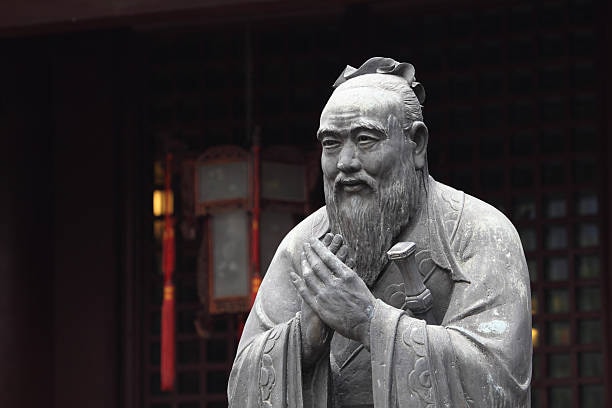
Confucius
 Luxembourg
Also known as: Kong Qiu, Kong Zhongni, Master Kong, Kong Fuzi
誕生日
September 28, 551 BCE
星座
Libra
出生地
Zou, near Qufu, state of Lu (modern-day Shandong Province, China)
年齢
72歳で死去
概要
Confucius was the Latinized name of Kong Qiu, a Chinese philosopher born in 551 BCE in Qufu, whose teachings have shaped East Asian civilization for over 2,500 years. He developed a system of ethics centered on personal virtue, social harmony, and righteous governance, known as Confucianism. His ideas, collected in the Analects by his disciples, emphasize filial piety, ritual propriety, and the cultivation of ren, or benevolence. Though he found little political success during his lifetime, Confucianism later became the official state ideology under Emperor Wu of Han and evolved through Neo-Confucianism and New Confucianism. Today, his influence permeates Chinese social structures, education, and government, and he is consistently ranked among the most influential thinkers in world history.
生い立ちと背景
孔子は貧困に陥った貴族の家に生まれました。父の孔紇は彼が3歳のときに亡くなり、母の顔徴在は貧しい環境で彼を育てました。経済的困難にもかかわらず、母は彼の教育を奨励し、彼は幼い頃から驚くべき学問への熱意を示しました。おもちゃで遊ぶ代わりに、亡き父のために精巧な祖先祭祀を執り行いました。彼は中国の古典、音楽、数学、歴史を学び、黄金時代と見なした初期の周王朝に魅了されました。家族を養うため、彼は魯の国で穀倉の管理や家畜の監督などの卑しい仕事に就きました。これらの役割は彼に汚職や社会的不公正を目の当たりにさせ、道徳哲学を発展させる決意を固めました。彼は最終的に教育を職業とし、すべての社会階級から学生を受け入れるという伝統を破りました。
キャリアの歩み
孔子は紀元前522年頃に教え始め、倫理と自己修養を重視して弟子を引きつけました。彼は魯で顧問を務め、大臣にまで昇進したと伝えられますが、腐敗政治に幻滅しました。紀元前497年、彼は魯を去り、14年にわたる亡命生活に入り、衛、宋、陳、蔡などの国々を旅し、自分の思想を実行してくれる君主を探しました。この旅の間に、彼は仁や恕(共感)などの核となる概念を洗練させました。彼は67歳で魯に戻り、晩年は『五経』を含む古典の編集に費やしました。彼の死後、弟子たちは彼の言葉を『論語』にまとめました。漢の武帝(紀元前141~87年)の下で、儒教は国家の承認を得て、中国の統治の基盤となりました。唐・宋時代には朱子学が出現し、20世紀には新儒教が彼の哲学を現代の文脈に適応させました。現在、世界中の孔子学院が中国語と文化を推進しています。
キャリア年表
公的イメージとスタイル
孔子は通常、長いひげを生やし、伝統的な学者のローブを着て巻物を持った老人として描かれます。彼のイメージは知恵、尊厳、道徳的権威を伝えます。メディアでは、彼は典型的な中国の賢者として描かれ、BBCの『Genius of the Ancient World』などのドキュメンタリーに登場します。彼の教えは格言的で実用的であり、ソーシャルメディアで引用として共有されることがよくあります。儒教の信奉者は儒者と呼ばれ、曲阜の孔子廟では毎年式典が行われます。研究グループや学術会議が彼の哲学を探求し続けています。彼のソーシャルメディアでの存在は、引用アカウントや教育ページで構成され、かなりのフォロワーがいます。
名声とファンダム (iFAMOUS Rankings)
The concept of a modern fandom does not apply to Confucius, as organized fan clubs, social media campaigns, or collective titles for his adherents never emerged in the Spring and Autumn period. His followers are historically identified simply as Confucians, while his influence persists through institutional channels like the global network of Confucius Institutes rather than through the fervor of a celebrity fanbase. Despite this lack of contemporary adulation metrics, his historical stature remains immense within the digital record of human achievement. According to the August 2026 iFANN Global Fame Rankings, Confucius is currently the 21st most famous person in Books & Literature, a position he has held steady from the previous cycle. This placement reflects enduring engagement with his texts across academic and cultural spheres worldwide. While no specific fan rituals define his modern reception, the sheer volume of references to his work ensures his continued prominence in the global consciousness.
興味深い事実と伝説
The name "Confucius" is a Latinized form of "Kong Fuzi" (Master Kong), coined by 16th-century Jesuit missionaries. Confucius's family tree is one of the longest continuously recorded genealogies, spanning over 80 generations with millions of living descendants. An ancient text claims he was 9'6" tall, but this is likely an exaggeration. He did not write the Analects himself; it was compiled by his disciples after his death. The character for ren combines the characters for "person" and "two," emphasizing relationships. He served as a granary manager and livestock overseer early in his career. A persistent story from antiquity suggests that even Confucius possessed significant physical strength, challenging the stereotype of the frail scholar and highlighting how ancient China valued martial capability alongside intellectual virtue. Another foundational legend describes his life as a paragon of virtue who sought to restore order through moral rectitude during a chaotic era, a narrative that has become central to East Asian cultural mythology. These stories are widely retold in educational contexts, though they often blend historical fact with later embellishments.
注目の発言
“Do not do unto others what you do not want done to yourself.”
“At 15, I set my heart on learning; at 30, I stood firm; at 40, I had no doubts; at 50, I knew the will of heaven; at 60, my ear was attuned; at 70, I followed my heart's desire without overstepping the line.”
“It does not matter how slowly you go as long as you do not stop.”
“Our greatest glory is not in never falling, but in rising every time we fall.”
“I hear and I forget. I see and I remember. I do and I understand.”
家族と私生活
注目の関係
恋愛関係と交際歴
孔子は紀元前517年、34歳の頃に斉冠氏(Qi Guanとも表記)と結婚しました。彼女は宋の出身でした。2人の間には紀元前515年頃に一人息子の孔鯉が生まれました。伝統的な記録では、2人の関係について詳細はほとんど語られていません。後世の文献の中には、孔子が彼女と離婚または別居したとするものもありますが、学者の間で議論があります。彼女の死亡時期や状況を記録したものはありません。2026年現在、孔子は紀元前479年に死去し、その時点で妻に先立たれていました。
- 既婚Qiguan Shi-517 - 現在紀元前517年に結婚。一人息子の孔鯉をもうける。一部の記録では別居が示唆されるが、議論がある。
死去とその後
死没
479 BCE (72歳没)
死没地
Qufu, Shandong Province, China
死因
老衰
Upon his passing, Duke Ai of Lu personally mourned the philosopher, issuing a eulogy that declared him the greatest of men and ordering a period of mourning for the state. Confucius's disciples, including Zilu, Zigong, and Zengzi, observed a three-year mourning period at his grave in Qufu, weeping and refusing to leave for years. The event marked the end of a life spent wandering through various states before returning to his home city of Qufu in the state of Lu. He died on April 11, 479 BCE, after falling ill following a dream interpreted as an omen of death, where he reportedly lamented that the Way had been abandoned. Historical tradition records his cause as natural death due to advanced age and frailty, with no specific disease diagnosis or medical examination available from the fifth century BCE.
His final days were marked by a refusal to eat while awaiting his destiny, and he passed away seated after receiving news of the recent death of his favorite disciple, Yan Hui. Burial rites followed the customs of the Zhou dynasty, with his tomb mound constructed in the shape of an axe head to symbolize his role as a guardian of the state. Over centuries, the site became a pilgrimage destination housing thousands of tombs of his descendants. Posthumously, emperors honored him with titles such as Sage of Sages and King of Ancient Times, elevating him to the status of a national deity during the Han Dynasty.
総資産(遺産評価額)
受賞と栄誉
View 8 records, honours and achievements代表作
Analects
-479 · 題材
Five Classics
-500 · 編集者
Confucianism
-500 · 創設者
キーワード
出典
クイック情報
- 職業
- philosopher, teacher, writer
- 生年月日
- September 28, 551 BCE
- 出生地
- Zou, near Qufu, state of Lu
- 死没
- 479 BCE
- 死没地
- Si River
- 性別
- 男性
- 配偶者
- Qiguan Shi
- 星座
- Libra
個人情報
- 本名
- Kong Qiu
- 配偶者
- Qiguan Shi
- 子ども
- Kong Li (son)
- 学歴
- Studied Chinese classics, music, mathematics, history, and ritual under various tutors
よくある質問
孔子が最も有名なのは何ですか?
孔子は宗教的な人物でしたか?
孔子の身長はどれくらいでしたか?
孔子は『論語』を書きましたか?
孔子の子孫は何人いますか?
コミュニティに参加
人のファンが話題に