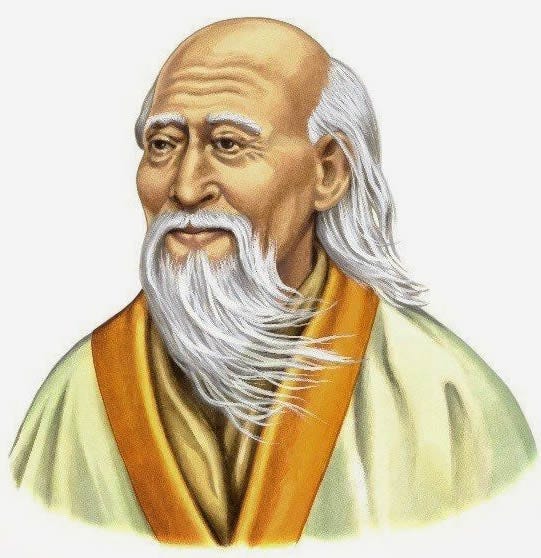
Laozi
Also known as: Lao Tzu, Lao-Tsu, Laotze, Li Er, Boyang
誕生日
January 1, 604 BCE
星座
Capricorn
出生地
Quren, Chu (modern Luyi County, Henan, China)
年齢
Died at 104
概要
老子(ろうし)は「老いたる師」を意味し、道教の基礎文献『道徳経』の著者とされる伝説的な中国の哲学者です。現代の学術研究では彼は複合的な人物と見なされ、テキストは戦国時代に複数の著者によって編纂されたと考えられています。伝承によれば、彼は紀元前6世紀に楚の国で生まれ、周王朝の洛陽にある王室の記録官を務めました。道、無為、自然の調和を中心とした彼の思想は、二千年以上にわたって中国文化を形成し、統治や医学から武術や詩歌に至るまで影響を与えてきました。『道徳経』は聖書に次いで世界文学で最も翻訳された作品の一つであり続けています。
生い立ちと背景
伝統的な物語は、老子を生まれながらにして並外れた知恵を持つ人物として描いています。伝説によれば、彼は62年の妊娠期間を経て母親の胎内から現れ、すでに白髪の老人であったため、その名が付けられました。彼は春秋時代の末期に楚の国の苦県の村で育ちました。周の王室の記録官に任命され、帝国の膨大な古代記録や儀式のコレクションにアクセスできるようになりました。この地位により彼は知的活動の中心に位置し、紀元前520年頃に孔子と会見したと伝えられています。孔子は歴史や儀式について助言を求め、その会合に深く感銘を受け、老子を風雲に乗る竜に例えました。周王朝の衰退が続く中、老子は幻滅し、官職を辞して西へ向かい、函谷関を通過しました。関守の尹喜は彼の知恵を認め、荒野に消える前にその洞察を書き留めるよう懇願しました。これに応じて老子は『道徳経』を、約5,000字の漢字からなる81章を一度に書き上げ、その後姿を消し、二度と現れることはありませんでした。
キャリアの歩み
『道徳経』は、中国の三大哲学伝統の一つである道教の礎石となりました。その影響は当初ゆっくりと広がり、最初の注釈は河上公によるもので紀元200年頃に現れました。唐王朝(618–907年)は老子の地位を変えました:高祖は自らを老子の子孫と称し、哲学者を皇室の祖先に格上げし、道教に国家の庇護を与えました。紀元743年、玄宗は老子を「太上玄元皇帝」として神格化し、彼を称える寺院の建立を命じました。このテキストは明王朝(1436–1445年)の間に『道蔵』に収められました。19世紀以降、『道徳経』は世界的に広まり、歴史上最も翻訳された書物の一つとなりました。しかし、現代の学術研究は状況を複雑にしています:馬王堆の帛書(紀元前168年)と郭店の竹簡(紀元前300年頃)はテキストの異同を明らかにし、現行版は複合的なものであることを示唆しています。今日でもこの作品は新たな翻訳、注釈、さらにはAI生成の解釈を生み出し続けており、2024年までに英語訳だけで250以上が存在します。
キャリア年表
公的イメージとスタイル
老子は普遍的に、長い白いひげを生やし、ゆったりとした robe をまとい、穏やかで洞察に満ちた表情をした老賢者として描かれ、しばしば水牛に乗って西へ向かいます。このイメージは何世紀にもわたって中国美術で定型化され、世俗の腐敗から身を引く賢明な隠者を象徴しています。『道徳経』自体は、詩的で逆説的、格言的なスタイルで知られ、論理的分析よりも瞑想を促す短い章から成ります。道教の信者は、伝統的な彼の誕生日を旧暦2月15日に、特に四川省の青城山や河南省の鹿邑県への寺院巡礼で祝います。現代の大衆文化では、老子の名言はソーシャルメディアでインスピレーションを与えるコンテンツとして広く共有され、ハッシュタグ #TaoWisdom は数百万の投稿を生み出しています。彼の人格は、シンプルさ、マインドフルネス、消費文化への代替を求める人々に共鳴しています。
名声とファンダム
Laozi holds no current placement in the iFANN Global Top 1,000 or any scope-specific ranking list, a status confirmed by the August 2026 evaluation cycle. While he does not compete for a numeric rank against modern celebrities, his enduring presence transcends standard fame metrics. The ancient philosopher commands a unique form of global recognition that defies contemporary charting systems. His influence is measured not in viral moments but in the sheer volume of translations and the depth of philosophical adherence spanning millennia. Unlike pop stars who rely on fanbases to drive visibility, Laozi's reach is institutionalized through religious Daoism, academic study, and centuries of cultural osmosis. There is no formal fandom name attached to his legacy; followers identify themselves as Taoists, scholars, or practitioners rather than members of a collective like the Beyhive or Swifties. No organized birthday campaigns, subway advertisements, or streaming chart pushes exist for him, as his relevance is woven into the fabric of history rather than driven by modern marketing. Yet, the resonance of his work remains potent. In 2026, new translations continued to emerge, exploring environmentalist themes, while a meme coin bearing his name briefly captured speculative financial attention. These modern echoes do not constitute a fandom in the traditional sense but highlight how his wisdom adapts to new eras. The absence of a ranked position simply reflects the limitations of applying 21st-century fame engines to a figure whose impact predates the concept of celebrity itself.
興味深い事実と伝説
The title Tao Te Ching translates to 'The Classic of the Way and Virtue,' a text containing exactly 5,000 Chinese characters in its standard version. Laozi's birth surname Li has grown to become the most common surname in both China and Vietnam. Archaeological discoveries have preserved fragments of his teachings for over two millennia; the oldest known copies are the Mawangdui silk manuscripts from 168 BCE, while the Guodian bamboo slips offer even earlier partial versions dating to around 300 BCE. Beyond these textual facts, legendary narratives shape his identity. The most iconic story recounts his departure at the Hangu Pass, where the border guard Yin Xi begged the weary sage to record his wisdom before vanishing westward on a water buffalo. This tale explains the origin of the Tao Te Ching and remains a staple of Chinese art. Ancient folklore also places Laozi as a contemporary of Confucius, describing a meeting where the younger Confucius sought advice only to be gently rebuked for being too rigid, with Confucius later calling Laozi a dragon he could not comprehend. Over time, this historical figure transformed into a deity known as Taishang Laojun, central to the religious pantheon of Daoism.
注目の発言
“The Tao that can be told is not the eternal Tao. The name that can be named is not the eternal name.”
“A journey of a thousand miles begins with a single step.”
“Those who know do not speak. Those who speak do not know.”
“When you are content to be simply yourself and don't compare or compete, everybody will respect you.”
“He who knows others is wise; he who knows himself is enlightened.”
“I have just three things to teach: simplicity, patience, compassion. These three are your greatest treasures.”
家族と私生活
伝承では妻の存在が言及されていますが、その名は記録されていません。夫婦には一人の息子、李宗がおり、彼は魏の国の武官になりました。他の家族の詳細は残っていません。現代の学術研究では、これらの伝記的要素は伝説的人物を人間化するための後世の創作である可能性が高いと考えられています。
注目の関係
老子は伝統的に孔子と結び付けられ、孔子は彼に助言を求めたとされています。荘子は『荘子』の中で彼の思想を発展させました。関守の尹喜は伝説上の弟子です。初期の注釈者である河上公と王弼は現行テキストの形成に影響を与えました。司馬遷が最初の伝記を書きました。
恋愛関係と交際歴
伝承では老子に妻がいたとされていますが、名前や詳細は残っていません。彼女は老子より先に亡くなったと言われています。息子の李宗が家系を継ぎました。道教の伝統におけるより重要な関係は、函谷関の関守である尹喜とのものです。尹喜は老子の知恵を認め、彼に『道徳経』を書かせました。一部の道教の文献では、尹喜は老子の主要な弟子であり、後に仙人となったと描かれています。2026年現在、歴史上または伝説上の人物に関連する存命の恋人はいません。
- 既婚Unnamed wife伝承では妻がいたとされていますが、彼女の名前や生涯の詳細は記録されていません。
- 交際歴ありYin Xi『道徳経』を受け取った伝説の関守。一部の伝統では、弟子または精神的な伴侶と見なされています。
総資産(遺産評価額)
$0
iFANN編集チームによる推定
As of 2026, the ancient philosopher Laozi accumulated no personal wealth during his lifetime, and the text he is credited with authoring has remained in the public domain for centuries, generating no direct royalties for any estate. The commercial ecosystem surrounding the *Tao Te Ching* remains vast, with translations, commentaries, adaptations, merchandise, and media inspired by the work generating billions of dollars annually through third-party publishers and creators. No formal estate exists to manage these derivative revenues. Per iFANN's editorial analysis, the philosopher's net worth stands at $0, yet his cultural capital remains immeasurable.
受賞と栄誉
View 13 records, honours and achievements代表作
Tao Te Ching
c. 500 BCE · Author
キーワード
クイック情報
- 職業
- philosopher, archivist, writer
- 生年月日
- 604 BCE
- 出生地
- Quren, Chu (modern Luyi County, Henan, China)
- 死没
- c. 500 BCE
- 性別
- 男性
- 星座
- Capricorn
個人情報
- 本名
- Li Er
- 子ども
- Li Zong (son)
- 学歴
- Self-taught through Zhou dynasty archives
よくある質問
老子は実在の歴史上の人物ですか?
『道徳経』は何についての書物ですか?
老子は孔子に会ったのですか?
老子は何歳で亡くなりましたか?
老子の総資産はいくらですか?
コミュニティに参加
人のファンが話題に