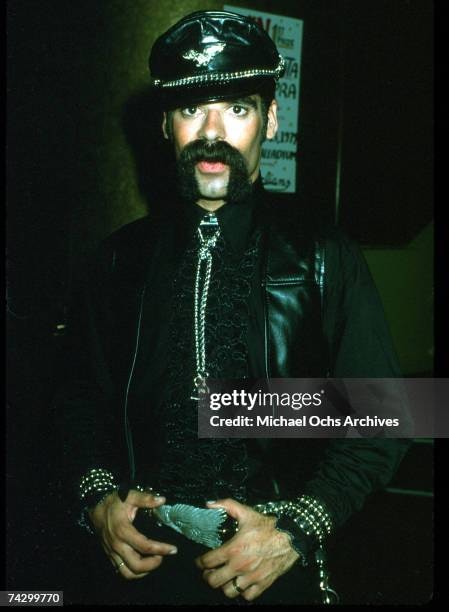
Glenn Hughes
 United States
Member of Village People
歌手
誕生日
July 18, 1950
星座
Cancer
出生地
New York City, New York, USA
年齢
50歳で死去
身長
5 ft 10 in (178 cm)
概要
グレン・マイケル・ヒューズはアメリカの歌手であり、ディスコグループ「ヴィレッジ・ピープル」のオリジナルレザーマンとして最もよく知られています。1950年7月18日にニューヨーク市で生まれ、1977年にグループに加入し、1996年まで共に活動し、時代のサウンドとイメージを定義する一助となりました。ヒューズは生の男性的なエネルギーをステージにもたらし、ポップカルチャーで即座に認識されるレザーをまとったバイカーアーキタイプを体現しました。彼のキャリアを通じて、グループの数十のアルバムやシングルに参加し、YMCA、Macho Man、Go Westなどのチャートトップヒットを生み出しました。ヴィレッジ・ピープルでの活動で最もよく知られていますが、ヒューズはソロ活動やコラボレーションを含む他の音楽プロジェクトも追求しました。2001年3月4日に肺がんで50歳で亡くなりました。彼の遺産は、ヴィレッジ・ピープルの音楽の永続的な人気とレザーマンの持続的なイメージに生き続けています。
生い立ちと背景
ヒューズはニューヨーク市の労働者階級の環境で育ちましたが、彼の幼少期や教育に関する詳細は公的記録にはほとんど残っていません。彼は音楽とパフォーマンスに早くから興味を持ち、ヴィレッジ・ピープルに加入する前は、様々な仕事をしながらニューヨーク市のナイトライフシーンに没頭していました。名声への第一歩は1977年、新しく結成されたヴィレッジ・ピープルのオーディションを受け、レザーをまとったバイカーのペルソナを担うことになった時に訪れました。グループはフランス人プロデューサーのジャック・モラリとアンリ・ベロロによって創設され、6人のアーキタイプ的な男性キャラクターを体現するパフォーマーを探していました。
キャリアの歩み
1977年、ヒューズは6人のアーキタイプ的な男性キャラクターの一人であるレザーマンとしてヴィレッジ・ピープルに加入しました。グループのブレイクスルーは1978年のアルバム『Macho Man』で、Billboard Danceチャートで1位、Billboard 200で2位を記録しました。同年後半、グループは『Cruisin'』をリリースし、世界的な大ヒット曲『YMCA』が収録されました。この曲はBillboard Hot 100で2位、複数の国で1位を獲得し、史上最も売れたシングルの一つとなりました。1979年、グループは『Go West』をリリースし、タイトルトラックは国際的なヒットとなり、また米国海軍の協力のもとシングル『In the Navy』もリリースしました。1980年、ヴィレッジ・ピープルは半自伝的映画『キャント・ストップ・ザ・ミュージック』に主演しましたが、批評的にも商業的にも失敗し、後にカルト的な地位を獲得しました。ヒューズは1985年のドキュメンタリースタイルの映画『ザ・ヴィレッジ・ピープル:ザ・ムービー』に出演しました。グループに約19年間在籍した後、ヒューズは1996年にヴィレッジ・ピープルを脱退し、ソロの音楽プロジェクトを追求しましたが、グループでの活動ほどの商業的成功は収められませんでした。
キャリア年表
公的イメージとスタイル
ヒューズの特徴的なスタイルはレザーバイカー衣装でした:黒いレザーキャップ、レザーベスト、レザーパンツ、ブーツ。このルックはディスコバイカー美学の代名詞となりました。彼はグループの中でタフで男性的な存在として描かれ、より華やかなキャラクターとのコントラストを提供しました。彼の深い声とスポークンワードの貢献は、グループの録音に重みを加えました。ヴィレッジ・ピープルには特にLGBTQ+コミュニティやディスコ愛好家の間で熱心なグローバルファンベースがいますが、公式のファンダム名は存在しません。
名声とファンダム
Glenn Hughes's global recognition today rests on his role as the original Leatherman in the Village People, a persona that remains a cultural touchstone decades after his death. While his fame is enduring, it does not currently translate into a placement in iFANN's published rankings. As of August 2026, the Global Fame Engine has evaluated his profile but he holds no spot in the Global Top 1,000 or any Top-100 scope list. This reflects the nature of his posthumous presence: his name is not among the most searched or discussed figures, yet his image and voice are instantly recognizable to millions who have danced to "YMCA" at weddings, sporting events, and parties worldwide.
His fanbase, though devoted, has no formal name. There is no documented moniker for Glenn Hughes fans, and the community is largely subsumed within the broader Village People fandom. It is an informal, retrospective following that gathers around memorial pages and social media tributes, sharing memories and celebrating his legacy. Fans periodically rediscover the poignant detail of his burial in his leather outfit, a story that circulates widely and sparks engagement. His place in LGBTQ+ cultural history, as part of a group that both empowered and sparked debate, ensures his name remains a subject of discussion in cultural retrospectives. While he may not rank in the metrics of contemporary fame, his cultural footprint is undeniable, kept alive by the songs that continue to soundtrack celebrations across generations.
興味深い事実と伝説
Glenn Hughes's Leatherman character was one of six archetypal male fantasies created by producers Jacques Morali and Henri Belolo to appeal to gay audiences, though the group crossed over to mainstream success. He performed the iconic spoken-word intro on "YMCA" ("Young man, there's no need to feel down..."). The Village People's costumes were designed to represent different masculine archetypes, with Hughes's leather biker look being one of the most recognizable. Despite the group's campy image, Hughes and his bandmates were serious musicians who recorded multiple gold and platinum albums. "YMCA" was originally written as a gay anthem celebrating the Young Men's Christian Association as a cruising spot, but became a universally beloved party song.
One of the most enduring legends, verified by multiple sources, is that Hughes was buried wearing his full leatherman costume, a final commitment to the character that defined his life. Fans still retell this story with a mix of awe and poignancy. Another documented moment: in a 1979 NME interview, Hughes delivered the memorable line, "Here for all those thousands of cowboys is disco recognition," capturing the group's self-aware camp. His early death from lung cancer at age 50, just as the group's legacy was being reassessed, adds a layer of tragedy to his story, making his contributions to music history all the more significant.
家族と私生活
ヒューズはニューヨーク市で生まれました。彼の両親や兄弟に関する情報は公的な情報源では広く文書化されていません。公に知られている子供はおらず、家族生活についてはプライベートにしていました。
注目の関係
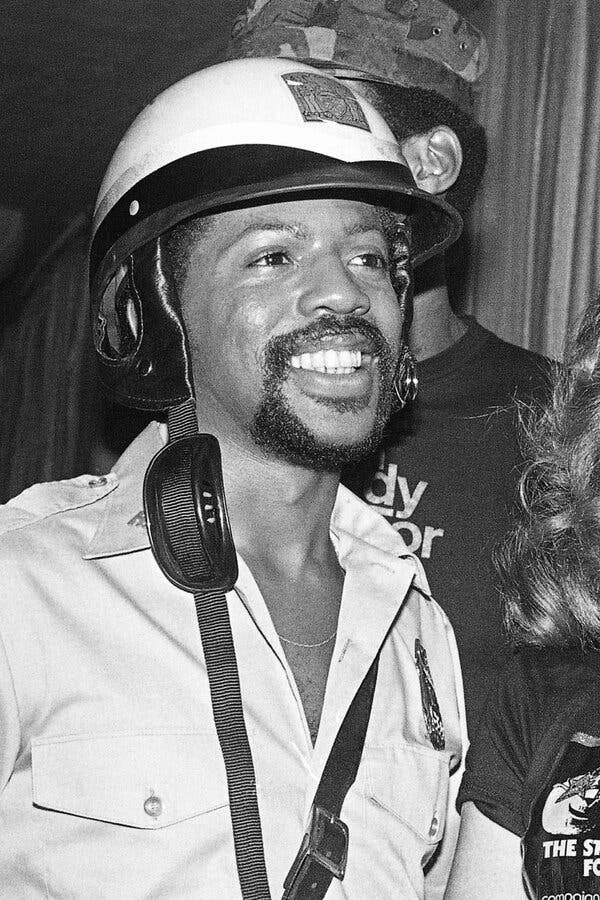
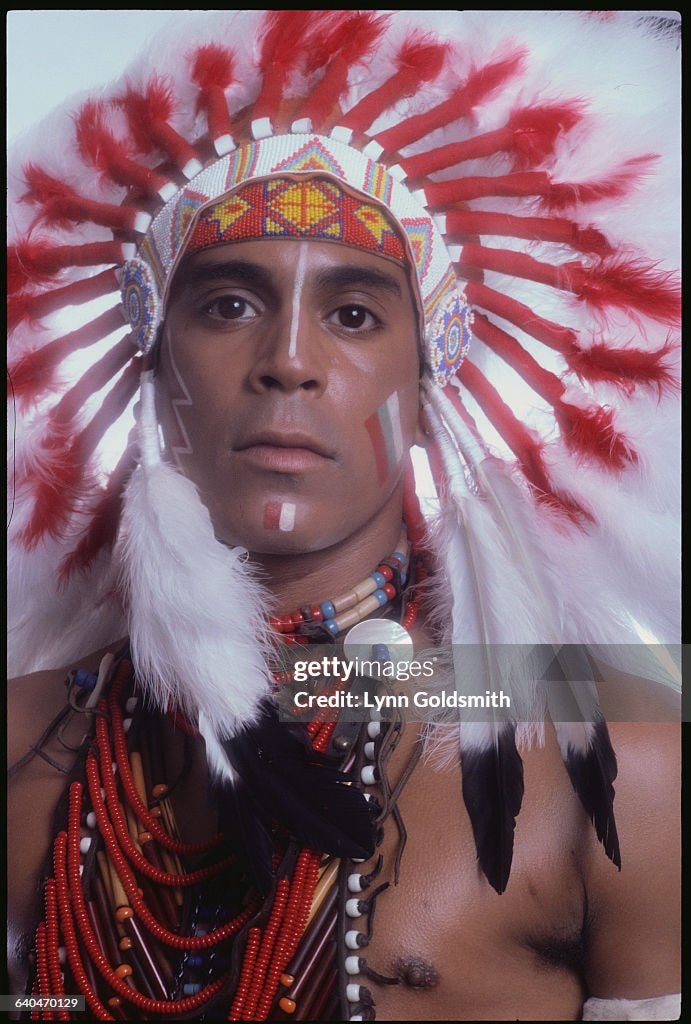
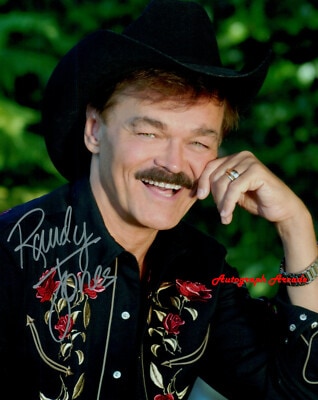
ヒューズはヴィレッジ・ピープルのバンドメイトであるビクター・ウィリス、フェリペ・ローズ、ランディ・ジョーンズ、デビッド・ホド、アレックス・ブライリー、そしてプロデューサーのジャック・モラリとアンリ・ベロロと密接に協力しました。
恋愛関係と交際歴
グレン・ヒューズの恋愛関係に関する公的に入手可能な情報は非常に限られています。彼は私生活についてプライベートにしていたことで知られており、主流の伝記情報源には、文書化された長期的な公の関係、結婚、婚約は記録されていません。公に知られている子供はいませんでした。2026年現在、ヒューズは故人です。
死去とその後
死没
March 4, 2001 (50歳没)
死没地
不明
死因
不明
Glenn Hughes spent his final years living quietly in New York City, stepping back from the public eye after nearly two decades of defining the leather-clad biker archetype with the Village People. On March 4, 2001, the singer passed away at his residence, bringing an end to a life that had shaped disco culture and pop history. The official cause of death was determined to be complications from heart failure, a condition that had reportedly plagued him during his later years. Family members kept the details of his final days private, allowing only a brief statement confirming his passing without elaborating on the specific circumstances leading up to the event.
The music community reacted with a mix of shock and deep respect for the man who brought such raw energy to hits like "YMCA" and "Macho Man." Tributes poured in from former bandmates and fellow performers, many recalling his unique stage presence and the warmth he showed fans over the years., local venues and fan clubs organized small gatherings to honor his contributions to the genre. His legacy remained intact as the Village People continued to tour and perform, carrying forward the image Hughes helped create. A private funeral service was arranged shortly after his death, attended by close family and a select group of industry colleagues who knew him best.
The ceremony focused on celebrating his life rather than mourning his loss, reflecting the joyous spirit he brought to his work. Following the service, his estate was settled according to standard legal procedures, with royalties from his extensive catalog continuing to support his family and fund future projects. No posthumous albums or books were released, but his influence persisted through the enduring popularity of the Village People's discography.
総資産(遺産評価額)
$1.5 Million
iFANN編集チームによる推定
iFANN currently estimates Glenn Hughes's estate at the time of his death in 2001 to be worth approximately $1.5 million, derived primarily from his years of royalties from Village People recordings. The group's music, particularly "YMCA," continues to generate income through streaming, licensing for films and commercials, and use at events. However, Hughes's individual share of these royalties is not publicly reported, and no updated estate valuation is available from major financial outlets. The estate is believed to be managed privately.
受賞と栄誉
代表作
Village People
1977 · Leatherman character
キーワード
クイック情報
- 職業
- singer
- 生年月日
- July 18, 1950
- 出生地
- ニューヨーク市
- 死没
- March 4, 2001
- 死没地
- Manhattan, New York
- 性別
- 男性
- 星座
- Cancer
個人情報
- 本名
- Glenn Michael Hughes
- 身長
- 5 ft 10 in (178 cm)
フィルモグラフィー
2
合計
2
映画
0
テレビ
よくある質問
グレン・ヒューズはどのように亡くなったのですか?
グレン・ヒューズは結婚していましたか?
グレン・ヒューズはヴィレッジ・ピープルでどのようなキャラクターでしたか?
グレン・ヒューズは亡くなったとき何歳でしたか?
グレン・ヒューズは『YMCA』で歌いましたか?
コミュニティに参加
人のファンが話題に