 Russia
概要
マリ・キュリーはポーランド生まれのフランスの物理学者・化学者で、放射能に関する先駆的な研究により科学に革命をもたらしました。彼女は今もなお、物理学(1903年、ピエール・キュリーおよびアンリ・ベクレルと共同受賞)と化学(1911年、ポロニウムとラジウムの発見により)の2つの異なる科学分野でノーベル賞を受賞した唯一の人物です。彼女は放射能という用語を作り、放射線が化学反応ではなく原子そのものから生じるという理論を発展させました。
ノーベル賞の業績に加えて、キュリーはノーベル賞を受賞した最初の女性、パリ大学初の女性教授、そして自らの功績でパンテオンに埋葬された最初の女性として、数え切れないほどの障壁を打ち破りました。彼女はパリとワルシャワにキュリー研究所を設立し、これらは今も主要ながん研究センターとして機能しています。第一次世界大戦中、彼女は自ら野戦病院で移動式X線装置を操作しました。彼女の遺産は、元素キュリウムや放射能の単位であるキュリーを通じて今も受け継がれています。
生い立ちと背景
マリはロシア占領下のワルシャワで5人兄弟の末っ子として育ちました。母親はマリが10歳の時に結核で亡くなり、物理教師だった父親はロシアの国粋主義政策により失職し、家族は下宿人を取らざるを得なくなりました。彼女は地下ポーランド教育を提供する「秘密飛行大学」に通いました。17歳の時、姉のブロニスワヴァのパリでの医学研究を支援するため、6年間家庭教師として働き、その見返りとして後にブロニスワヴァが彼女を助ける約束をしました。
1891年、24歳でパリに移り、ソルボンヌ大学に入学。1893年に物理学の学位を首席で取得し、1894年に数学の学位を取得しました。1894年、ポーランドの物理学者ユゼフ・コヴァルスキ=ヴィエルシュを通じてピエール・キュリーと出会い、すぐに科学協力を開始しました。
キャリアの歩み
1896年、アンリ・ベクレルによるウラン線の発見に触発され、マリは放射能を博士論文のテーマに選びました。彼女とピエールは1898年7月にポロニウム、同年12月にラジウムを発見し、放射能という用語を作りました。1903年、彼女はノーベル賞を受賞した最初の女性となり、ピエールおよびベクレルと物理学賞を共同受賞しました。1906年にピエールが死去した後、彼女はソルボンヌ大学で彼の教授職を継承し、同大学初の女性教授となりました。
1911年、ラジウムとポロニウムの単離によりノーベル化学賞を受賞し、史上初の2度のノーベル賞受賞者となりました。1914年にパリにラジウム研究所(キュリー研究所)を設立し、1932年にはワルシャワにもキュリー研究所を設立しました。第一次世界大戦中、彼女は移動式X線撮影装置を開発・運用し、150人の女性をX線技師として訓練しました。1921年にはアメリカ合衆国を巡回し、ウォレン・G・ハーディング大統領から、一般募金で購入された1グラムのラジウムを贈呈されました。
キャリア年表
公的イメージとスタイル
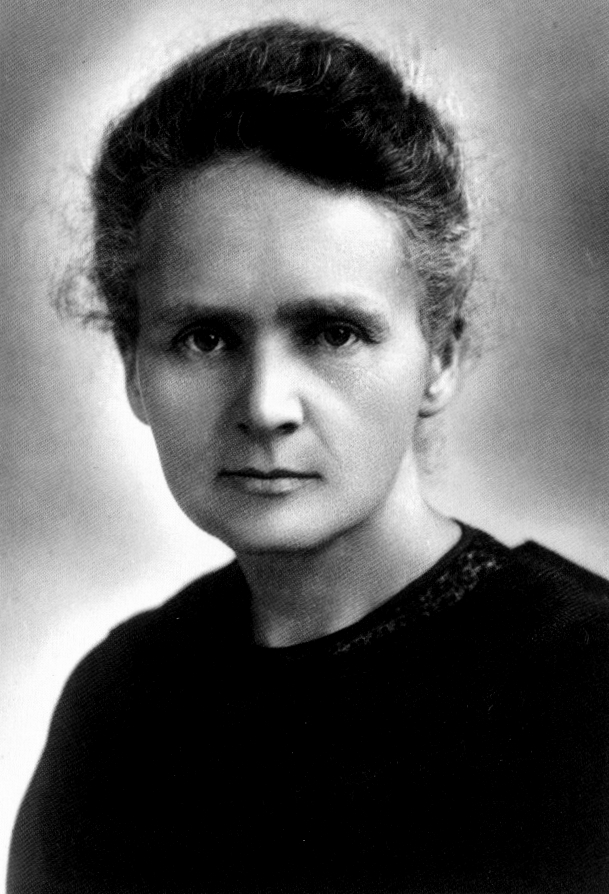
マリ・キュリーは、健康を犠牲にして研究に捧げた献身的で無欲な科学者として広く描かれています。彼女の象徴的なイメージは、シンプルな黒いドレスや白い実験着を着て、髪を後ろにまとめ、真剣な表情を浮かべたものです。彼女は性差別に耐え抜き、ポーランド民族主義を貫いたことで称賛されています。『マダム・キュリー』(1943年)や『レディオアクティブ』(2019年)などの伝記映画は、放射線被曝による悲劇的な死を強調しています。ファンは11月7日の誕生日と7月4日の命日を、博物館訪問や#MarieCurieのハッシュタグを使ったソーシャルメディアでの追悼で祝います。公式のキュリー研究所アカウントは教育的なトーンを保ち、歴史的事実や感動的な引用を共有しています。
名声とファンダム
Marie Curie commands a unique form of reverence that transcends the typical celebrity fandom. Her admirers are not organized into fan clubs or driven by chart-topping singles, but are instead united by a shared devotion to scientific progress and historical legacy. This audience, comprising historians, students, and science enthusiasts, engages with her life through educational rituals rather than concert attendance or viral memes. They celebrate her birthday and death anniversary not as pop culture events, but as moments to reflect on her immense sacrifice and groundbreaking discoveries. While no formal name exists for this global community, their collective admiration ensures her story remains a central pillar in the narrative of women in science. Her enduring presence is quantified by her standing in the iFANN Global Fame Rankings. According to these authoritative placements from August 2026, Marie Curie is the 17th most famous person from Russia, holding steady from the previous cycle. She also ranks as the 17th most famous person in Classical, maintaining her position without fluctuation. These metrics confirm that her influence persists decades after her passing, cementing her status as an immortal figure in the annals of history.
興味深い事実と伝説
Marie Curie carried a vial of radium in her pocket as a good luck charm, a habit that likely contributed to the radiation poisoning that ended her life. Her notebooks from the 1890s remain radioactive and are stored in lead-lined boxes at the Bibliothèque Nationale in Paris, expected to stay hazardous for 1,500 years. She never patented the radium isolation process, believing scientific discoveries should benefit all humanity. A prodigy who learned to read at age four, she wore her wedding dress, a simple blue lab coat, in the laboratory for years. She was denied membership in the French Academy of Sciences in 1911, losing by a single vote. Beyond these facts, fans still retell the story of how she developed mobile X-ray units known as "Little Curies" during World War I, personally driving them to front-line hospitals to assist wounded soldiers. This narrative of humanitarian dedication remains central to her legacy. Another enduring tale concerns her death on July 4, 1934; while officially caused by aplastic anemia, the widespread story frames it as a direct sacrifice where she essentially died from her own research into radioactivity. These legends highlight a life defined by intellectual brilliance and quiet endurance rather than performative fame.
注目の発言
“Nothing in life is to be feared, it is only to be understood. Now is the time to understand more, so that we may fear less.”
“I am among those who think that science has great beauty.”
“A scientist in his laboratory is not a mere technician: he is also a child confronting natural phenomena that impress him as though they were fairy tales.”
“I have frequently been questioned, especially by women, of how I could reconcile family life with a scientific career. Well, it has not been easy.”
“I was taught that the way of progress was neither swift nor easy.”
“One never notices what has been done; one can only see what remains to be done.”
家族と私生活
マリはブロニスワヴァとヴワディスワフ・スクウォドフスキの間に生まれた5人兄弟の末っ子でした。母親は1878年、マリが10歳の時に亡くなりました。父親は物理学と数学の教師で、彼女に科学への愛情を植え付けました。彼女には3人の姉と1人の兄がいました。1895年にピエール・キュリーと結婚し、2人の娘をもうけました:イレーヌ(1897年生まれ、1935年にノーベル化学賞受賞)とイヴ(1904年生まれ、作家・外交官)。ピエールの死後、マリは再婚しませんでした。今日、キュリー家の遺産には5つのノーベル賞が含まれています。彼女の死後、娘たちが遺産を管理しました。
注目の関係
マリー・キュリーは、娘のイレーヌ・ジョリオ=キュリーと義理の息子フレデリック・ジョリオを含む5つのノーベル賞をもたらしたキュリー家の遺産と関連づけられています。彼女は夫ピエール・キュリーと緊密に協力し、アンリ・ベクレルに触発されました。また、パリとワルシャワのキュリー研究所とも関連があり、これらの研究所は彼女のがん研究の使命を引き継いでいます。
恋愛関係と交際歴
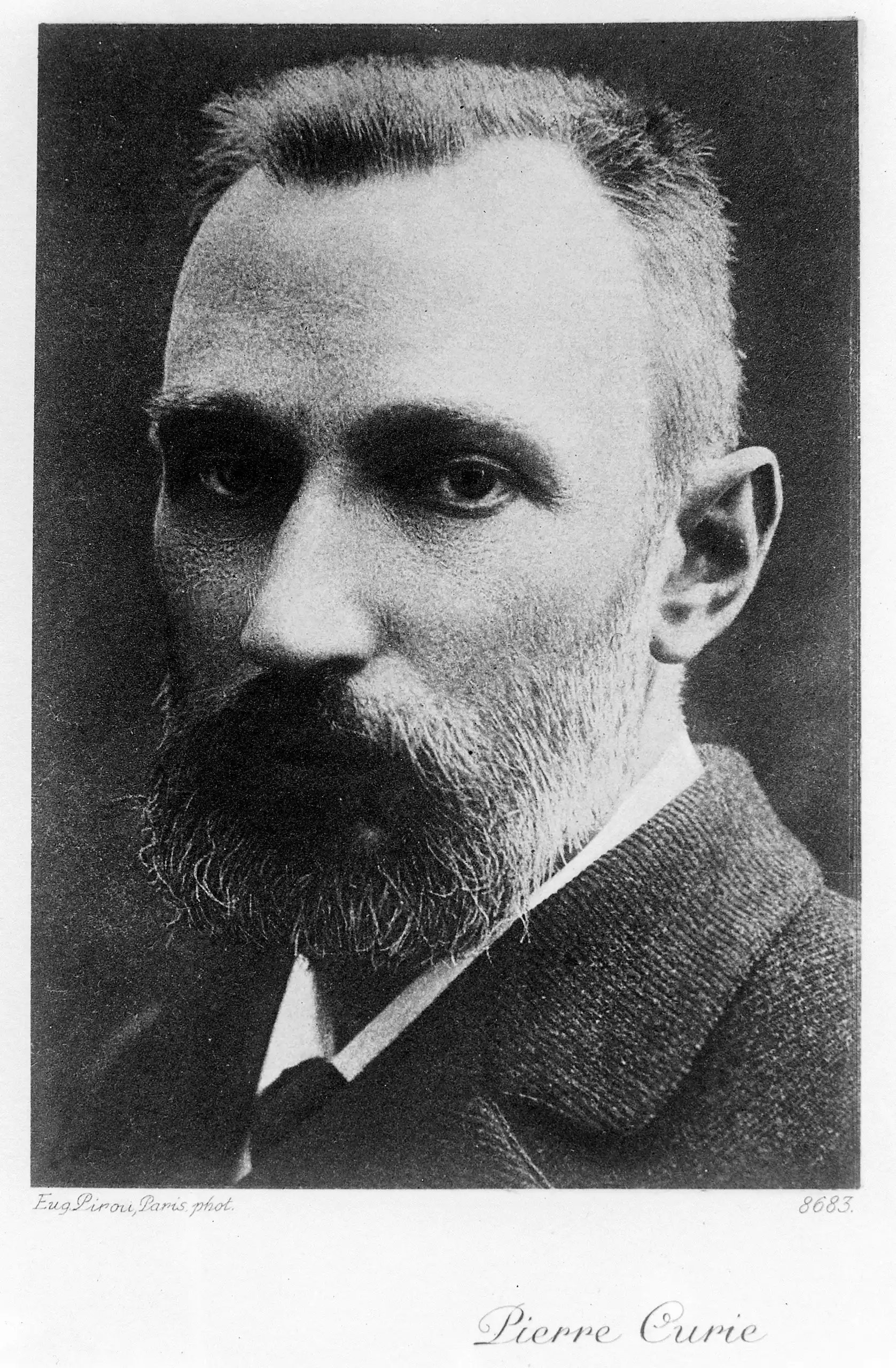
マリーは1895年7月26日に民事婚でピエール・キュリーと結婚しました。二人は1894年にポーランド人物理学者ユゼフ・コヴァルスキ=ヴィエルシュを通じて知り合いました。彼らの結婚はロマンティックであると同時に科学的でもあり、実験室で共に働き、2人の娘をもうけました:イレーヌ(1897年生)とイヴ(1904年生)。ピエールは1906年4月19日、馬車に轢かれて亡くなりました。マリーは再婚しませんでした。1910年から1911年にかけて、彼女はピエールの元学生で既婚の物理学者ポール・ランジュバンと不倫関係にあったと噂されました。漏洩した手紙はスキャンダルを引き起こし、1911年のノーベル賞を危うく失うところでした。関係はスキャンダルの中で終わりました。2026年現在、マリー・キュリーは故人であり、それ以上の関係は記録されていません。
- 既婚Pierre Curie1895 - 19061894年に知り合い、1895年7月26日に結婚、放射能研究で協力、2人の娘をもうけ、ピエールは1906年に馬車事故で死去。
- 噂ありPaul Langevin1910 - 1911既婚の物理学者でピエールの元学生。漏洩した手紙が公のスキャンダルを引き起こし、マリーが1911年のノーベル賞をほぼ失うところだった。
死去とその後
死没
July 4, 1934 (66歳没)
死没地
Passy, Haute-Savoie, France
死因
Aplastic anemia from radiation exposure
Marie Curie died on July 4, 1934, at the Sanatorium of Sancellemoz in Passy, Haute-Savoie, France. Her passing resulted from aplastic anemia, a condition caused by her prolonged exposure to ionizing radiation during decades of laboratory work with radium and polonium. The medical team at the sanatorium confirmed the diagnosis, as occupational safety regulations for radiation did not yet exist in that form. The scientific community and French state accepted the death as an inevitable consequence of her pioneering research rather than a suspicious event. Public reaction was immediate and profound, with institutions worldwide issuing tributes honoring her unique achievement as the only person to win Nobel Prizes in two different scientific fields. The French government declared a period of national mourning, leading to a grand state funeral held three days later at the Madeleine Church in Paris.
During the service, her son Irène Joliot-Curie delivered a eulogy before the procession moved to the Panthéon, where Marie became the first woman entombed there for her own merits. Her husband Pierre was later reinterred alongside her in 1995. Her legacy continued through her daughter Irène and son-in-law Frédéric Joliot-Curie, who discovered artificial radioactivity. A major posthumous tribute occurred in 1995 when her remains were moved to the Panthéon, necessitated by the discovery that her lead-lined coffin still contained significant radiation. Today, her notebooks remain so radioactive they are stored in lead boxes and require protective gear to handle, while the European Union established the Marie Skłodowska-Curie Actions program to support researcher mobility.
総資産(遺産評価額)
$15 Million
iFANN編集チームによる推定
Per iFANN's editorial analysis, Marie Curie's estate is valued at approximately $15 million as of 2026. Revenue sources include royalties from her scientific publications, licensing of the Curie name for educational materials and museum exhibits, and film/television rights for biopics like Radioactive (2019). The Curie Museum in Paris attracts over 100,000 visitors annually. Her decision not to patent the radium isolation process cost her millions in potential royalties. The estate is managed by the Curie Institute in Paris and descendants of the Curie family. Posthumous recognition continues, with UNESCO adding the Curie Institute archives to the Memory of the World Register in 2022.
受賞 (9)
マリー・キュリーは2つのノーベル賞を受賞しました:1903年のノーベル物理学賞(ピエール・キュリー、アンリ・ベクレルと共同)と1911年のノーベル化学賞です。また、マテウッチ・メダル(1904年)、エリオット・クレッソン・メダル(1910年)、ベンジャミン・フランクリン・メダル(1921年)、レジオン・ドヌール勲章グランクロワ(1933年)など、他にも多くの賞を受賞しています。
1933 · 国家栄誉賞
Lifetime achievement
1931 · 医学
Therapeutics of radium
代表作
Discovery of polonium and radium
1898 · Co-discoverer
Nobel Prize in Physics
1903 · 受賞者
Nobel Prize in Chemistry
1911 · 受賞者
Coining the term radioactivity
1898 · Scientist
Development of mobile X-ray units in WWI
1914 · Inventor
キーワード
クイック情報
- 職業
- physicist, chemist
- 生年月日
- November 7, 1867
- 出生地
- Warsaw, Kingdom of Poland, Russian Empire
- 死没
- July 4, 1934
- 死没地
- Sancellemoz, Passy, Haute-Savoie, France
- 性別
- 女性
- 配偶者
- ピエール・キュリー
- 星座
- Scorpio
個人情報
- 本名
- Maria Salomea Skłodowska
- 身長
- 5 ft 3 in (160 cm)
- 配偶者
- Pierre Curie
- 子ども
- Irène Joliot-Curie, Ève Curie
- 学歴
- Flying University, Sorbonne (Physics, 1893; Mathematics, 1894)
よくある質問
マリー・キュリーは何歳で亡くなりましたか?
2026年のマリー・キュリーの総資産はいくらですか?
なぜマリー・キュリーは有名ですか?
マリー・キュリーには子供がいましたか?
マリー・キュリーは何で亡くなりましたか?
コミュニティに参加
人のファンが話題に