概要
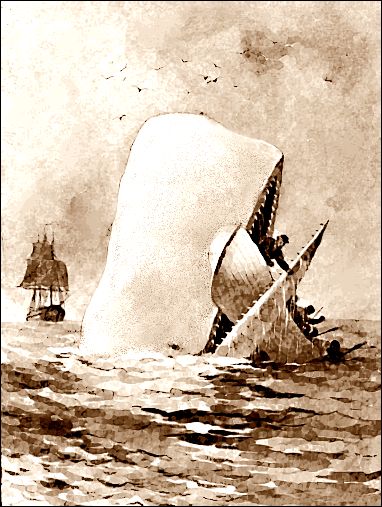
モカ・ディックは実在し、歴史的に記録されたマッコウクジラの雄で、幽霊のような白い外見と捕鯨者に対する異常な攻撃性で知られていました。1800年代初頭に南東太平洋を回遊し、作家がその物語を紙に記すずっと前から、アメリカとイギリスの捕鯨者の間で伝説となっていました。彼の名声は、探検家J・N・レイノルズによる1839年の雑誌記事一篇に基づいており、後にこの記事がハーマン・メルヴィルの小説『白鯨』の主要なインスピレーションとなりました。メルヴィルはクジラを象徴的でほとんど超自然的な存在に変えましたが、実在のモカ・ディックは血の通った動物であり、命をかけて激しく戦いました。
生い立ちと背景
モカ・ディックは1700年代後半、おそらく太平洋の広大な海域で生まれました。若いマッコウクジラとして、彼は社会的な群れで生活し、イカを狩り、海流を航行することを学んだでしょう。1800年代初頭までに、彼は大型で孤独な雄に成長し、その皮膚はアルビノまたは白変種のために印象的な白に変わりました。チリ沖のモカ島近くで活動する捕鯨者たちは、彼に遭遇する頻度が増えていきました。彼らは彼の異常な色と攻撃に対する猛烈な反応に気づきました。つまり、ボートに体当たりし、顎をバチンと閉じ、尾を打ちつけ、しばしば何度も銛を打たれても生き延びました。この手ごわいクジラの噂は港から港へと広がり、書かれた記録が存在する前に海洋伝説となりました。
キャリアの歩み
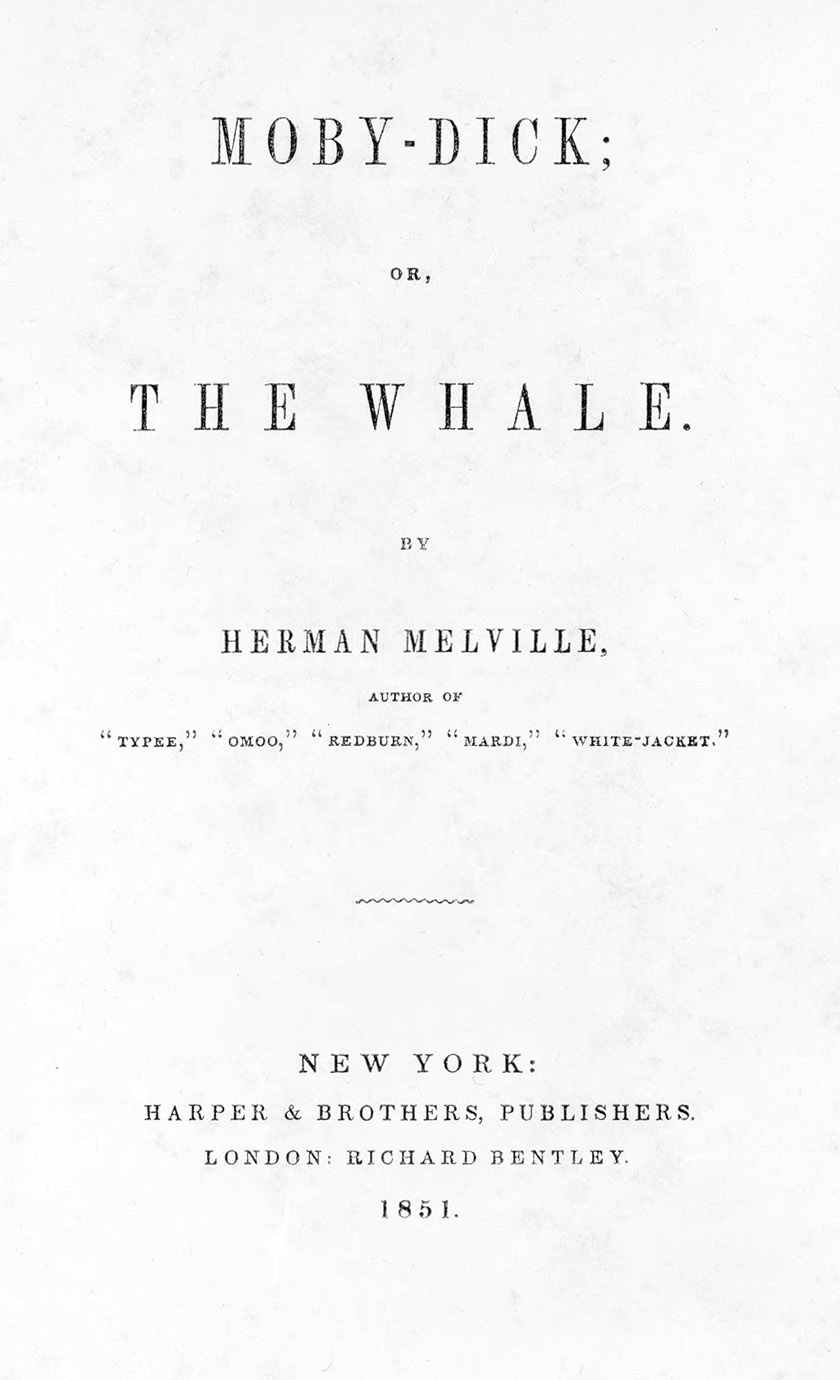
モカ・ディックの躍進は1839年、J・N・レイノルズが『ニッカーボッカー』誌に『モカ・ディック、あるいは太平洋の白鯨』を発表したときに訪れました。この記事は、捕鯨者たちとのクジラの戦いを生き生きとした劇的な散文で描写し、アメリカ文学における彼の地位を確固たるものにしました。レイノルズは、1838年に最終的に彼を殺した乗組員を含む、クジラに遭遇した捕鯨者たちから話を集めました。この記事はセンセーションを巻き起こし、10年後、ハーマン・メルヴィルは『白鯨』を執筆する際にこの記事を大いに参考にしました。メルヴィルは名前をモカからモビーに変更し、哲学的な意味合いを加えましたが、反撃する白いクジラという物語の核心は、直接モカ・ディックから来ています。この小説は一度も絶版になったことがなく、世界中で研究されています。
キャリア年表
公的イメージとスタイル
モカ・ディックの公的なイメージは、実在のリヴァイアサン、自然の悲劇的で畏敬の念を抱かせる存在です。メディアや文学は彼をオリジナルの白いクジラ、手つかずの荒野と自然に対する人間の闘いの無益さの象徴として描いています。彼のファン層は主に学術的かつ文学的なもので、正式な名称はありません。ファンは通常、『白鯨』の読者、海事史愛好家、および未確認動物学の信奉者です。
名声とファンダム (iFAMOUS Rankings)
Mocha Dick commands a quiet but enduring global attention, sustained not by modern media cycles but by his pivotal role in literary history and maritime folklore. His presence is felt wherever Herman Melville's Moby-Dick is studied, discussed, or celebrated, anchoring the imagination of readers across generations. Despite this deep cultural resonance, Mocha Dick does not currently hold a placement in the iFANN Global Top 1,000 rankings or any scope-based list. The iFANN evaluation confirms that while he remains a significant historical figure, he has no current numerical rank within the published hierarchy. The community surrounding him lacks an official name; there are no organized fan clubs, specific collective nouns like 'Dickites,' or formal campaigns dedicated solely to the whale himself. Instead, the audience consists of Melville scholars, maritime historians, and general readers who engage with his story through academic discourse and literary appreciation. While recent artistic projects, such as Tristin Lowe's 2026 exhibition at the Williams College Museum of Art, have brought visual attention to his legend, these are curated exhibitions rather than grassroots fan movements. Similarly, discussions regarding climate change or fatphobia in relation to the novel represent critical analysis rather than active fandom rituals. There are no birthday billboards, social media trends, or interactive traditions associated with the real Mocha Dick. His legacy survives through the pages of books and the halls of museums, where his tale of survival and aggression against whalers continues to be recounted as a foundational myth of American literature.
興味深い事実と伝説
Mocha Dick was not the only white whale in history; Migaloo, an albino humpback sighted off Australia since 1991, shares this rare genetic trait. According to explorer J. N. Reynolds, the real Mocha Dick was heavily covered in barnacles, a clear sign of his advanced age and decades of skirmishes. The name Mocha derives from Mocha Island, a small landmass off central Chile where he was frequently spotted. Unlike the fictional Moby Dick, who sinks only one ship, the real whale was credited with destroying multiple whaleboats over the years. Reynolds described him snapping his jaws so loudly the sound carried above the wind. A core legend tells of his resilience against approximately 100 different whaling ships before his death in 1838. He measured between 70 and 72 feet, making him one of the largest sperm whales ever recorded. In March 2026, scientists captured footage of modern sperm whales headbutting, behavior long debated and famously depicted in Moby-Dick, which validated the aggressive tactics attributed to Mocha Dick. While often conflated with the sinking of the Essex in 1820, that event involved a different whale, yet it contributed to the lore of the white whale's capacity for catastrophic attack.
注目の発言
“But the monster was not to be vanquished without a struggle. He turned upon his assailants, lashing the sea with his tail, and snapping his huge jaws with a noise that was heard above the roar of the wind.”
家族と私生活
マッコウクジラとして、モカ・ディックの家族生活は記録されていません。雄のマッコウクジラは通常、思春期後に出生群を離れ、単独で生活し、繁殖のためにのみ繁殖海域に戻ります。モカ・ディックに特定のパートナーや子孫は記録されていません。彼の他のクジラとの唯一の既知の交流は繁殖期にあったでしょうが、詳細は残っていません。
注目の関係
探検家で作家のJ・N・レイノルズ。1839年にモカ・ディックに関する決定的な記事を書いた人物。ハーマン・メルヴィル。『白鯨』の作者で、レイノルズの記述を主要なインスピレーションとして使用した。
恋愛関係と交際歴
死去とその後
死没
1838 (38歳没)
死没地
near Mocha Island, Chile
死因
Lethal harpooning by whalers
The end of the legendary white whale arrived in 1838, confirmed by whaling logs that recorded his final struggle against a determined crew. Mocha Dick fell after surviving over a hundred encounters with hunters who had long viewed him as an invincible foe, likely near the waters off Mocha Island, Chile, where he had made his home. Accounts suggest he may have been killed while attempting to defend a distressed cow and her calf, a final act of protection before succumbing to lethal harpoons in the open Pacific. Public reaction remained confined to the immediate whaling community.
His true legacy emerged through literature rather than ceremony. In May 1839, explorer Jeremiah N. Reynolds published a lengthy article titled "Mocha Dick; or, The White Whale of the Pacific" in the Knickerbocker Magazine, drawing on stories from crews like the one that finally killed him. This journalistic account served as the direct catalyst for Herman Melville, who would later adapt the real-life tragedy into the symbolic masterpiece Moby-Dick. That novel, published in 1851, transformed the historical animal into an immortal figure of fiction, ensuring his story survived long after his body returned to the ocean.
受賞と栄誉
View 4 records, honours and achievements代表作
Moby-Dick
1851 · Real-life inspiration
キーワード
クイック情報
- Species
- Sperm whale (Physeter macrocephalus)
- Color
- White (albino or leucistic)
- 死没
- 1838
- Famous for
- Inspiring Moby-Dick
よくある質問
モカ・ディックとモビー・ディックは同じですか?
モカ・ディックはどのように死にましたか?
モカ・ディックはどのくらいの大きさでしたか?
モカ・ディックは本当に白かったのですか?
モカ・ディックはどこに住んでいましたか?
似た人物
コミュニティに参加
人のファンが話題に