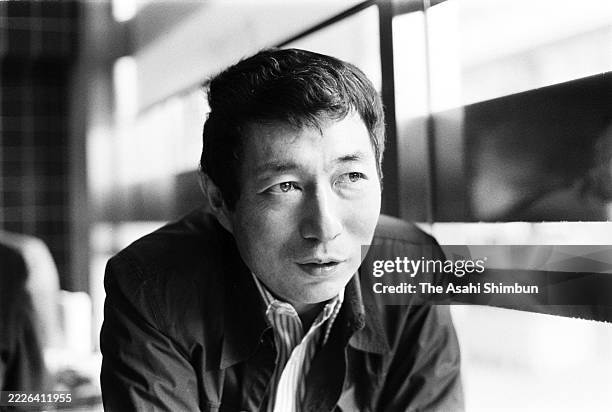
Shūji Terayama
 Japan
Japan誕生日
December 10, 1935
星座
Sagittarius
出生地
Hirosaki, Aomori Prefecture, Japan
年齢
47歳で死去
身長
5 ft 7 in (170 cm)
概要
寺山修司は、日本の前衛詩人、劇作家、映画監督であり、その作品は容易に分類できないものだった。1983年に亡くなるまでのわずか25年のキャリアの中で、彼は驚異的な量の作品を生み出した。数百の詩、数十の戯曲、10本の長編映画、そして無数のエッセイやラジオドラマである。多くの批評家は彼を戦後日本で最も挑発的な創造的力の一人とみなし、その影響は1970年代以降の映画監督、舞台監督、詩人たちに響き渡っている。現在、彼の総資産は約300万ドルと評価されており、死後の映画修復、書籍翻訳、そしてCriterion Collectionのボックスセットによって、彼の作品は新たな世代に受け継がれている。
生い立ちと背景
寺山は弘前で、警察官の寺山八郎と寺山ハツの間に生まれた。9歳のとき、父親が第二次世界大戦で亡くなった。経済的に苦しい母親は住み込みの家政婦として働き、幼い修司は青森県三沢の親戚の家に預けられた。この疎外感と早すぎる喪失体験は、彼のキャリアを通じて根無し草や記憶といったテーマを育むことになる。
彼は三沢小学校と三沢中学校に通い、そこで日本古典文学や西洋文学を貪るように読んだ。青森県立三沢高等学校では、俳句や短歌を書き始め、全国大会に投稿した。17歳のとき、雑誌『短歌研究』の短歌賞を受賞し、早くもその才能を認められた。1954年に上京し、早稲田大学教育学部に短期間在籍したが、1年で中退した。アカデミアはあまりにも束縛が強いと感じたのだ。東京の前衛文学シーンに没頭し、詩人の上田忠彦や大岡信と親交を結んだ。最初の詩集『超人讃歌』は1957年に刊行され、実験詩の新星としての地位を確立した。
キャリアの歩み
寺山のブレイクスルーは1967年、東京に劇団「天井桟敷」を旗揚げした時に訪れた。この劇団は瞬く間に日本のアンダーグラウンド演劇の中心地となった。劇団は、第四の壁を破り、現実と虚構を曖昧にする、観客参加型の挑発的な作品を上演した。1971年、彼はブレイクスルー映画『書を捨てよ、町へ出よう』を公開した。記憶、政治、反逆を描いた混沌とした自伝的コラージュであり、カンヌ国際映画祭で批評家賞を受賞した。彼の最も高い評価を受けた映画『田園に死す』は1974年に公開され、ロカルノ国際映画祭で審査員特別賞を受賞した。その後10年間に、『ボクサー』(1975年)や遺作となった『さらば箱舟』(1979年)を含む8本の長編を発表した。また、1981年には全16巻からなる『寺山修司全集』を刊行し、文学的な遺産を確固たるものにした。彼のキャリアは1983年の肝硬変による死によって中断されたが、その作品は回顧展や修復を通じて再発見され続けている。
キャリア年表
公的イメージとスタイル
寺山の公的な人物像は、 relentless provocateur(絶え間ない挑発者)だった。彼の作品は、シュールで夢のようなイメージ、非線形のナラティブ、そして現実と虚構の絶え間ない曖昧化によって特徴づけられる。彼の映画には、荒涼とした風景、廃墟、記憶の循環に閉じ込められた登場人物がよく登場する。彼の演劇は対立的で、第四の壁を破り、観客を直接巻き込んだ。批評家は彼を「日本のゴダール」や「日本のフェリーニ」と呼ぶこともあるが、彼の作品はよりアナーキーで、政治的な教条主義は少ない。彼は前衛サークルで崇拝されているが、日本の一般大衆には無名のままである。ファンは時に「寺山主義者」や「桟敷派」と自称し、命日には「寺山デー」として毎年上映会を開催している。早稲田大学のアーカイブが管理する公式SNSアカウントは、学術的でアーカイブ的な口調を保ち、貴重な写真やフィルムクリップを投稿している。
名声とファンダム
Shūji Terayama commands a focused, global attention that resonates deeply within avant-garde circles, film archives, and academic institutions rather than the mainstream pop consciousness. His work remains a touchstone for those exploring the boundaries of surrealism and underground theater, though his reach is defined by enduring influence rather than mass-market saturation. iFANN has evaluated this figure's standing in the cultural landscape, and the Global Fame Engine currently determines that Shūji Terayama does not hold a placement in the published rankings, including the Global Top 1,000 or any Top-100 scope list. This absence from the ranked lists reflects his status as a niche historical icon whose legacy is preserved through specialized study rather than contemporary viral metrics. The appreciation for his life and art is sustained by a fragmented community of scholars, cinephiles, and artists who operate without a formalized fanbase structure. There is no documented fandom name associated with Terayama; instead, his supporters are scattered across university departments, film festival attendees, and the underground art scene. Unlike modern celebrities who cultivate organized clubs or digital armies, the Terayama community engages through scholarly analysis, preservation efforts, and curated retrospectives hosted by institutions like the Harvard Film Archive. While social media accounts exist to archive his work, they function as historical repositories rather than hubs for interactive fan campaigns or grassroots organizing. His relationship with audiences was historically confrontational and non-reciprocal, designed to disrupt passive consumption rather than foster a traditional celebrity following.
興味深い事実と伝説
Terayama was a compulsive gambler who once wagered his entire advance for a poetry collection on a horse race; he lost the bet but later channeled the experience into a poem. A lifelong baseball enthusiast, he frequently wrote essays drawing parallels between the sport and theatrical performance. His Tenjō Sajiki troupe famously staged a play inside a moving train, turning passengers into an unwilling audience. Although he composed over 1,000 haiku during his lifetime, only 200 were published before his death, with the remainder discovered posthumously. His film Farewell to the Ark drew direct inspiration from a dream he experienced after reading Gabriel García Márquez's One Hundred Years of Solitude. Beyond these personal anecdotes, Terayama left behind legendary moments that define his mythos. The 1970 street performance titled Throw Away Your Books, Rally in the Streets stands as a defining event where hundreds of participants disrupted public space to challenge the established literary order. Another iconic work, The Boxer (1977), subverted the sports drama genre with its raw aesthetic and philosophical questioning of violence, featuring the now-famous line, Can you hate people? I can! His short film The War of Jan Ken Pon transformed the children's game Rock-Paper-Scissors into a grotesque allegory for war, spreading as a shocking visual incident through word-of-mouth in avant-garde circles long before the internet age.
注目の発言
“The past is not dead. It is not even past.”
“I make films because I cannot remember my childhood. The camera is my memory machine.”
“Theatre is not a place to escape reality. It is a place to confront it, naked and screaming.”
“Poetry is the only language that can speak of death without lying.”
家族と私生活
寺山の父、寺山八郎は警察官で、修司が9歳の時に第二次世界大戦で戦死した。母のハツは住み込みの家政婦として働き、彼は三沢の親戚に育てられた。1961年、詩人で小説家の九條今日子と結婚した。九條は自らも著名な文学者で、告白詩やフェミニズムエッセイで知られる。1962年に一人息子の寺山トオルが生まれ、彼は写真家・作家となり、現在は遺産を管理している。結婚生活は型にはまらず、二人とも独立心旺盛な芸術家であり、九條は後に寺山の浮気やアルコール依存症との闘いについて率直に書いている。彼女は寺山より長く生き、2021年に亡くなった。
注目の関係
寺山は映画監督の大島渚と親交が深く、芸術の政治における役割について頻繁に討論した。妻の九條今日子は重要な詩的影響と協力者だった。彼は撮影監督の大谷能生と多くの映画で協力し、作曲家の湯浅譲二が多くの作品の音楽を手がけた。初期の師は詩人の大岡信である。息子の寺山トオルが現在、彼の遺産を管理している。
恋愛関係と交際歴
寺山は1961年に詩人で小説家の九條今日子と結婚した。彼らの結婚は型破りで、どちらも自立した芸術家であり、一人の息子・徹をもうけた。九條は後に、寺山の不倫やアルコール依存症との闘いについて率直に書いている。1960年代後半、彼には天井桟敷のメンバーであるレイコという女性との有名な婚外恋愛があり、九條は自伝でそれを認めている。1970年代後半には、彼の劇団の若い女優との噂の恋愛があり、複数の伝記で言及されている。寺山は1983年に死去するまで九條と結婚し続けた。
- 既婚Kyōko Kujō1961 - 1983東京の文学界で出会う;一人の息子・徹をもうける;彼女は彼の不倫とアルコール依存症について書いた。
- 交際歴ありReiko1968 - 1972天井桟敷メンバーとの婚外恋愛;九條今日子によって認められた。
- 噂ありYoshiko1978 - 1982彼の劇団の若い女優との噂の恋愛;伝記で言及されている。
死去とその後
死没
May 4, 1983 (47歳没)
死没地
不明
死因
不明
The release of Farewell to the Ark in 1979 marked his final cinematic statement, a work that would stand as a haunting reflection of his vision before the world lost its most provocative creative force. Shūji Terayama passed away on May 4, 1983, at the age of forty-seven, bringing an abrupt end to a career that had spanned just twenty-five years of intense production. While specific details regarding the location of his passing and the precise medical circumstances remain unrecorded in available archives, it is widely acknowledged within the community that he succumbed to cirrhosis, a condition that had long shadowed his life. His son, Tōru Terayama, assumed the role of managing the estate and overseeing the Shūji Terayama Archive at Waseda University, ensuring that the poet-filmmaker's extensive body of work remained accessible to future generations. Posthumous efforts have since focused on restoring his films and translating his poetry, keeping the flame of his avant-garde influence alive through retrospectives and new editions of his complete works.
総資産(遺産評価額)
$3 Million
iFANN編集チームによる推定
Because Terayama died in 1983, his net worth refers to the estate value and posthumous earnings. Per iFANN's editorial analysis, the estate is valued at approximately $3 million as of 2026. The estate is managed by his son, Tōru Terayama, and the Shūji Terayama Archive at Waseda University. Revenue sources include posthumous film releases and licensing fees from retrospectives worldwide, book royalties from poetry collections and essays (increasingly translated into English, French, and other languages), occasional revivals of Tenjō Sajiki plays, merchandise such as T-shirts and art books sold through museum shops, licensing fees for his name and image in documentaries and academic studies, and residuals from digital streaming on platforms like the Criterion Channel. The estate's wealth is almost entirely intellectual property-based, with no real estate or business ventures.
受賞 (8)
寺山の受賞歴は、彼の前衛的でカウンターカルチャー的な地位を反映している。1971年に『書を捨てよ町へ出よう』でカンヌ批評家賞、1974年に『田園に死す』でロカルノ国際映画祭審査員特別賞を受賞。1975年に『ボクサー』で日本映画監督協会の最優秀監督賞、1981年に『さらば箱舟』で毎日映画コンクール日本映画大賞を受賞。1982年には文学と演劇への生涯の貢献に対し日本芸術院賞を受賞した。
1971 · 長編映画
Throw Away Your Books, Rally in the Streets
1974 · 長編映画
Pastoral: To Die in the Country
代表作
Throw Away Your Books, Rally in the Streets
1971 · Director, Writer
Pastoral: To Die in the Country
1974 · Director, Writer
Farewell to the Ark
1979 · Director, Writer
Boxer
1975 · Director, Writer
キーワード
クイック情報
- 職業
- poet, playwright, filmmaker
- 生年月日
- +1935-12-10
- 出生地
- Hirosaki, Aomori Prefecture, Japan
- 死没
- +1983-05-04
- 死没地
- Suginami, Tokyo, Japan
- 性別
- 男性
- 配偶者
- Kyōko Kujō
- 星座
- Sagittarius
個人情報
- 本名
- Shūji Terayama
- 身長
- 5 ft 7 in (170 cm)
- 配偶者
- Kyōko Kujō
- 子ども
- Tōru Terayama
- 学歴
- Waseda University (dropped out after 1 year)
フィルモグラフィー
10
合計
10
映画
0
テレビ
よくある質問
寺山修司は何で知られているか?
寺山修司はどのように亡くなったか?
2026年の寺山修司の総資産は?
寺山修司は今日でも影響力があるか?
寺山修司は誰と結婚していたか?
ソーシャルメディア
コミュニティに参加
人のファンが話題に