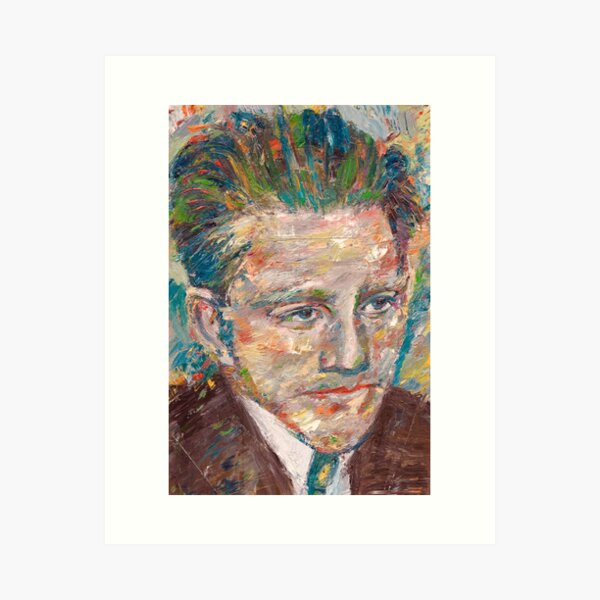
Werner Heisenberg
 Germany
theoretical physicist•mountaineer•non-fiction writer
誕生日
December 5, 1901
星座
Sagittarius
出生地
Würzburg, Germany
年齢
74歳で死去
概要
ヴェルナー・ハイゼンベルクはドイツの理論物理学者であり、量子力学の主要な構築者の一人です。量子力学は、人類の素粒子領域に対する理解を一変させた革命的な理論です。若き日に、彼は物理学に全く新しい枠組みを確立する基礎的な突破口を開き、1932年に量子力学の創造によりノーベル物理学賞を受賞しました。ハイゼンベルクは不確定性原理で最も有名であり、これは粒子の位置と運動量のような特定の物理的性質のペアを同時にどれだけ正確に知ることができるかに根本的な限界があるという深い洞察です。この考えは決定論と測定に関する古典的な前提を覆し、全科学の中で最も重要で広く議論される概念の一つとなりました。彼はまた、行列力学や原子核理論などの現象にも貢献しました。彼の遺産は、第二次世界大戦中の役割によって複雑なものとなっています。このとき彼はナチスドイツの核研究プログラムの一部を指揮していました。爆弾製造への彼の関与の程度、そして彼が意図的にその努力を遅らせたかどうかは、それ以来歴史的議論の対象となっています。輝かしいが論争の多い人物であり、彼は困難な道徳的・政治的状況を乗り越えながら物理学を形作りました。ヴェルナー・ハイゼンベルクは量子論の建築家の一人として記憶されています。
生い立ちと背景
ヴェルナー・カール・ハイゼンベルクは1901年12月5日、ドイツのヴュルツブルクで、ドイツの教養ある中流階級の家庭に生まれました。父のアウグスト・ハイゼンベルク博士はミュンヘン大学で中世および現代ギリシャ語の教授でした。ハイゼンベルクはミュンヘンのマクシミリアンギムナジウムに通い、数学と物理学で学業優秀さを示しました。彼は一時数学者になることを考えましたが、アルノルト・ゾンマーフェルトの著作を読んで物理学に惹かれました。1920年にミュンヘン大学に入学し、ゾンマーフェルトのもとで学びました。学部時代には、熟練した登山家およびピアニストにもなりました。1923年に乱流に関する論文で博士号を取得しました。これは流体力学と数学への関心を組み合わせたテーマでした。その後すぐに、ゲッティンゲン大学でマックス・ボルンの助手となり、量子論への深い探求を始めました。1924年にはコペンハーゲンに渡りニールス・ボーアと共に働き、この経験が原子物理学への彼のアプローチを深く形成しました。
キャリアの歩み
ハイゼンベルクの突破口は1925年、彼が『Umdeutung』(再解釈)論文を発表し、量子力学の最初の完全な定式化である行列力学を創設したときに訪れました。マックス・ボルンおよびパスクアル・ヨルダンと共に展開されたこの研究は、古い量子論を厳密な数学的枠組みに置き換えました。1927年、ライプツィヒ大学在籍中に、彼は不確定性原理を定式化しました。これは、特定の物理的性質のペアを任意の精度で同時に知ることが不可能であることを述べる量子論の礎石です。これらの業績により、彼は1932年にノーベル物理学賞を受賞しました。1933年にはマックス・プランク・メダルを受賞しました。第二次世界大戦中、1939年にドイツの核計画(ウランフェライン)の責任者に任命され、この役割は広範な歴史的議論を引き起こしました。戦後、1946年にゲッティンゲンのカイザー・ヴィルヘルム物理学研究所の所長となり、同研究所は後にマックス・プランク物理学研究所と改名されました。1957年には、西ドイツの核武装に反対するゲッティンゲン宣言に署名しました。1958年に研究所のミュンヘン移転を監督し、退職まで所長を務めました。統一場理論や素粒子の性質に関する活発な研究を続けました。
キャリア年表
公的イメージとスタイル
ヴェルナー・ハイゼンベルクの公的な人物像は、控えめで知的な巨人、典型的なドイツ人教授であり、細身の体格で、しばしば暗いスーツと金縁の眼鏡をかけて写真に写っていました。彼の美学は学者的で控えめであり、理論物理学への焦点を反映していました。メディアは彼を量子不確定性の謎めいた父として描き、ナチス時代の科学における役割から称賛と論争の両方の対象となる人物としました。ファンや歴史家は、彼の科学的天才への賞賛と戦時中の行動への厳しい目を併せ持って見ています。正式なファンの名称はありませんが、彼の遺産は物理学と歴史のサークルで激しい議論を引き起こしています。彼のソーシャルメディアでの存在は純粋に制度的であり、マックス・プランク協会によって管理され、学術的な敬意を込めたトーンです。
名声とファンダム
Werner Heisenberg stands as the 95th most famous person in Germany, a position noted in recent cycles, and holds the 73rd spot among figures in Books & Literature. These placements within the iFANN Global Fame Rankings reflect a legacy that has endured for decades without fading into obscurity. While his fame is anchored in the hard facts of physics, the rankings track how his story continues to resonate across global media coverage and consumption signals worldwide. The data shows he slipped slightly from the 94th rank in his country and moved down from the 69th in his industry since the last update.
Unlike modern celebrities, Heisenberg never cultivated a fanbase with organized groups, rituals, or official names. There are no fan clubs, no birthday campaigns, and no community-driven movements dedicated to his memory. His audience consists entirely of historians, physicists, students, and readers drawn to his scientific contributions and the moral complexities of his life during World War II. The absence of a formal fandom name is not an oversight but a reflection of his reality; he was a scholar who worked in quiet laboratories rather than on stages designed for adoration.
興味深い事実と伝説
Heisenberg was an accomplished pianist who frequently performed chamber music with colleagues and maintained a lifelong passion for mountaineering in both the Alps and the Himalayas. A student of philosophy, he often engaged deeply with the works of Plato and Kant, while his youth included membership in the German Scout Association. During the war, his Nobel Prize medal was melted down to prevent confiscation by occupying forces, only to be recast later. Notably, he never used the term uncertainty principle himself, preferring the original phrasing of indeterminacy principle.
The cultural mythology surrounding him includes the widely retold story of his development of the uncertainty principle in 1927 while working in Copenhagen and Göttingen, a moment that fundamentally altered our understanding of subatomic particles. Another iconic image is the 1927 Solvay Conference photograph, often called the most intelligent photo ever taken, featuring Heisenberg alongside giants like Einstein and Bohr. Perhaps the most debated narrative involves his leadership of the German nuclear program, where the legend persists that he may have intentionally sabotaged the atomic bomb project, a story cemented by Michael Frayn's play Copenhagen which dramatizes a secret 1941 meeting between Heisenberg and Niels Bohr.
注目の発言
“What we observe is not nature itself, but nature exposed to our method of questioning.”
“The first gulp from the glass of natural sciences will turn you into an atheist, but at the bottom of the glass God is waiting for you.”
“Not only is the Universe stranger than we imagine, it is stranger than we can imagine.”
“An expert is someone who knows some of the worst mistakes that can be made in a very narrow field.”
“The solution of the difficulty is that the two mental pictures which experiment lead us to form, the one of the particles, the other of the waves, are both incomplete and have only the validity of analogies which are accurate only in limiting cases.”
家族と私生活
注目の関係
恋愛関係と交際歴
ヴェルナー・ハイゼンベルクは1937年にエリザベート・シューマッハーと結婚しました。二人はライプツィヒでの共通の友人を通じて知り合い、音楽とアウトドアに共通の関心を持っていました。結婚生活は1976年のハイゼンベルクの死まで続きました。エリザベートは協力的なパートナーであり、ハイゼンベルクが科学者としてのキャリアを追求する間、家事を管理し子供たちを育てました。彼女は後にナチス政権下での生活についての回想録『内なる亡命』を執筆しました。2026年現在、エリザベート・ハイゼンベルクは1998年に亡くなっており、故人です。他の公的な関係は記録されていません。
- 既婚Elisabeth Heisenberg1937 - 1976ライプツィヒでの共通の友人を通じて知り合い、彼の死まで結婚。
死去とその後
死没
February 1, 1976 (74歳没)
死没地
不明
死因
不明
総資産(遺産評価額)
$2 Million
iFANN編集チームによる推定
Updated for 2026, iFANN currently estimates Werner Heisenberg's estate at $2 Million. This figure represents the value of assets held following his passing, derived primarily from his academic salary, Nobel Prize winnings, and book royalties accumulated during his lifetime. After his death in 1976, the estate has generated modest revenue through the continued sale of his scientific writings and biographies. The rights to his works remain managed by the Heisenberg family and the Max Planck Society. No major catalog sales or licensing deals have been reported in recent years. The estate's financial trajectory remains stable but modest, reflecting the academic rather than commercial nature of his enduring legacy.
受賞 (2)
1932 · 物理学
Creation of quantum mechanics
1933 · 理論物理学
Contributions to quantum theory
代表作
Uncertainty Principle
1927 · Formulator
Matrix Mechanics
1925 · 共同創業者
Quantum Mechanics
1932 · Nobel Prize for creation
キーワード
出典
クイック情報
- 職業
- theoretical physicist, mountaineer, non-fiction writer
- 生年月日
- December 5, 1901
- 出生地
- Würzburg, Germany
- 死没
- February 1, 1976
- 死没地
- Munich, Germany
- 性別
- 男性
- 配偶者
- Elisabeth Heisenberg
- 星座
- Sagittarius
個人情報
- 本名
- Werner Karl Heisenberg
- 配偶者
- Elisabeth Heisenberg
- 子ども
- Several (names not widely publicized)
- 学歴
- University of Munich (PhD, 1923)
よくある質問
ヴェルナー・ハイゼンベルクが最も有名なのは何ですか?
ヴェルナー・ハイゼンベルクは何でノーベル賞を受賞しましたか?
第二次世界大戦におけるヴェルナー・ハイゼンベルクの役割は何でしたか?
不確定性原理とは何ですか?
ヴェルナー・ハイゼンベルクはどこで生まれましたか?
似た人物
コミュニティに参加
人のファンが話題に